VIS 2026VIS 2026 — Virtual Island Summit|Also: GSIS 2027GSIS 2027
Island Innovation Logo
About
Services
The Network
Events
Content Library
Contact Us

Subscribe to our newsletter. By submitting, you agree to our Privacy Policy.

Island Innovation

Island Innovation works with governments, institutions, and partners worldwide to support island-led sustainable economic development.

We Support The UN Development Goals

SDG 9: Industry, Innovation and InfrastructureSDG 11: Sustainable Cities and CommunitiesSDG 12: Responsible Consumption and ProductionSDG 13: Climate ActionSDG 14: Life Below WaterSDG 17: Partnerships for the Goals

Explore

AboutServicesNetworkEvents

Content

ArticlesNewsCareers

Ready to Connect?

Join the island innovation community

Get in Touch

About

  • About us
  • Case Studies
  • FAQs
  • Press
  • Careers
  • Contact

Services

  • Services Overview
  • Public & Media Relations
  • Strategic Communications

Network

  • The Island Network
  • Academic Council
  • Newsletter

Events

  • Our Events
  • Watch Past Events

Content

  • All Content Library
  • Videos
  • Articles
  • News
Privacy PolicyTerms of ServiceContact

© 2025 Island Innovation. All rights reserved.

    News

    Curated stories and analysis from islands and sustainability leaders worldwide.

    Filter by Core Theme

    All ThemesCircular EconomyClimate ActionConnectivity & DigitizationCulture & CommunityEnergy & TransportGreen Finance & EconomyOcean & BiodiversityPolicy & GovernanceTourism & Remote WorkWater & Food
    Showing 9 of 100 news items in Circular Economy
    Maldives’ Thilafushi – the story of a trash island’s journey to sustainable waste management
    Circular EconomyApril 7, 2023

    Maldives’ Thilafushi – the story of a trash island’s journey to sustainable waste management

    Thilafushi is often referred to as a “trash island” or a “rubbish island” because it was originally created as a landfill to handle the Maldives’ waste. As the population of the Maldives grew and tourism increased, so did the amount of waste generated. Yes, that’s the ugly side of tourism. Over time, Thilafushi became a dumping ground for all kinds of waste, including hazardous materials like batteries and electronics. The island quickly became overwhelmed with waste, and the landfill began to spill over into the surrounding waters, causing environmental damage to the marine ecosystem. No surprise there! But here’s that twist – today, though Thilafushi is still used as a waste management and recycling center, efforts are being made to improve the island’s infrastructure and reduce the impact of waste on the environment. As we have mentioned earlier, Thilafushi is not your typical tourist destination, as it is primarily an industrial and waste management hub rather than a place for leisure or recreation. But now, with ardent efforts to change things, if you are someone who is interested in environmental issues and want to see firsthand how waste is managed and recycled, Thilafushi could be an interesting place to visit.

    Read more
    12345678910
    From ukuleles to reforestation: Regrowing a tropical forest in Hawai‘i
    Circular EconomyApril 7, 2023

    From ukuleles to reforestation: Regrowing a tropical forest in Hawai‘i

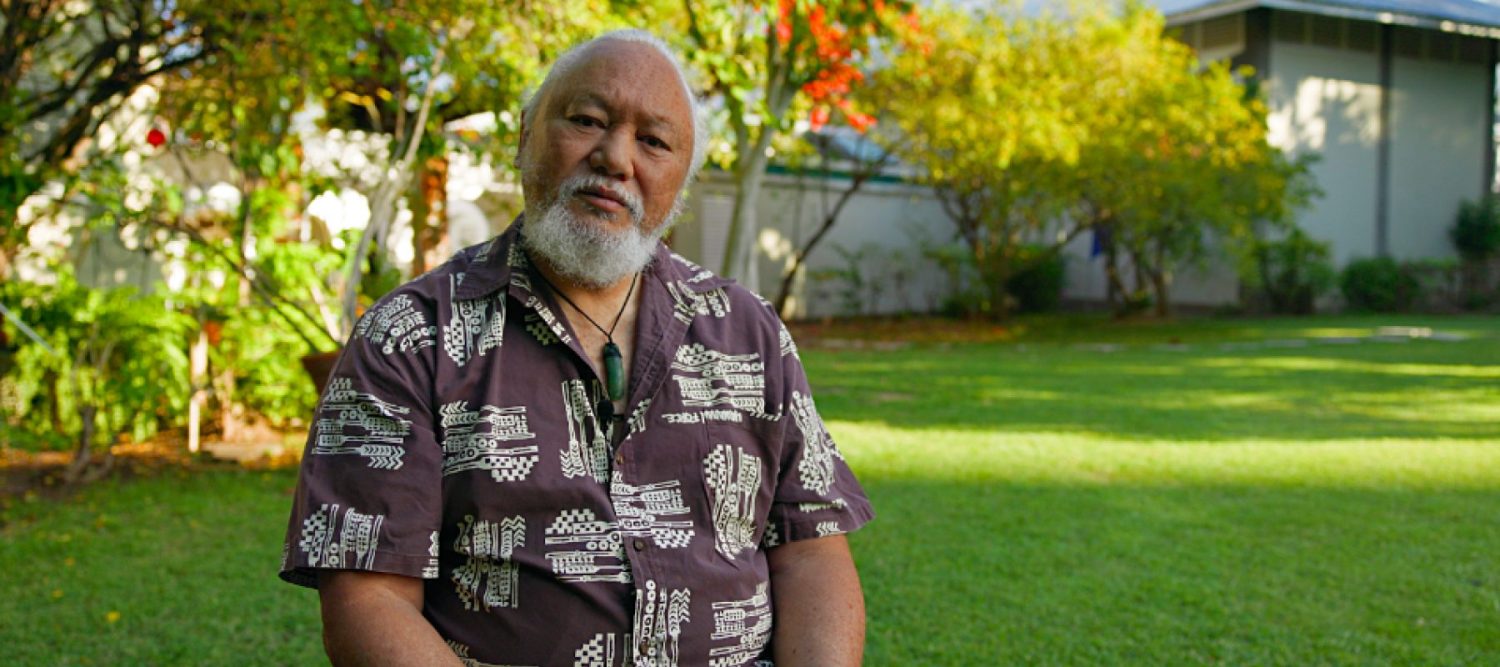
    The Hawaiian Islands, one the world’s most far-flung island archipelagos, have become known as the extinction capital of the world. Ninety-five of their original 142 bird species have gone extinct since humans first arrived. With 11 more species now among the missing, it’s possible three-fourths of the islands’ birds are already gone. Scientists believe an additional 100 plants have gone extinct, with 200 plant species down to just 50 or so individuals in the wild. Invertebrates are in trouble too, but lack of baseline data makes it hard to know how many species have vanished. A [recent study](https://conbio.onlinelibrary.wiley.com/doi/abs/10.1111/cobi.12565) hints at what’s likely been lost, cataloging the survival of only 15 land snails out of 325 species. To understand why Hawai‘i and other isolated islands have lost so much, one has to understand how island habitats work. The discipline of [island biogeography](https://web.stanford.edu/group/stanfordbirds/text/essays/Island_Biogeography.html), or insular biogeography, was a field greatly advanced in the 1960s by ecologist [Robert H. MacArthur](http://www.nasonline.org/publications/biographical-memoirs/memoir-pdfs/mac-arthur-robert-h.pdf) and biologist [E.O. Wilson](https://en.wikipedia.org/wiki/E._O._Wilson). An insular environment is defined as an area of habitat suitable to a particular ecosystem, but surrounded by unsuitable habitat. This can be an island isolated by ocean, a mountaintop encircled by lowland, or wildland hemmed in by human-altered landscape (forest restoration in all three of these insular habitat types are explored in this Mongabay mini-series). But as the years went by, and the native plantings thrived, Kristen says the NGO has grown more confident, but there’s always more to learn. “I’ll never know everything [and] whenever we have different experts come and visit, they always teach us something new, but I do believe that we have probably a 90% grasp on what we’re doing.” These climate impacts could be expanded greatly if Saving Hawai‘i’s Forests is able to achieve its future restoration goals, or if it inspires similar projects across the Hawaiian archipelago.

    Read more
    Researchers Discover Alarming Plastic Rocks on Remote Brazilian Island
    Circular EconomyMarch 31, 2023

    Researchers Discover Alarming Plastic Rocks on Remote Brazilian Island

    Brazil’s volcanic [Trindade Island](https://www.pennlive.com/nation-world/2023/03/brazilian-researchers-discover-terrifying-rocks-made-up-of-plastic-debris-reports.html) has long captured the curiosity of scientists. However, the recent discovery of rocks composed of plastic debris on this isolated turtle haven is sounding the alarm. Melted plastic has merged with rocks on the island, which is located 708 miles from the southeastern state of Espirito Santo. Researchers believe this is a sign of humanity’s increasing impact on Earth’s geological cycles. Fernanda Avelar Santos, a geologist at the Federal University of Parana, described the [findings](https://edition.cnn.com/2023/03/15/americas/brazil-terrifying-plastic-rocks-intl-latam/index.html) as “new and terrifying,” emphasizing that pollution has now entered the realm of geology. Santos and her team conducted chemical tests on the “plastiglomerates” – rocks consisting of a mixture of sedimentary granules and other materials bound together by plastic – to identify the type of plastics present. [According to Santos](https://edition.cnn.com/2023/03/15/americas/brazil-terrifying-plastic-rocks-intl-latam/index.html), the pollution primarily comes from fishing nets, which are a prevalent form of debris on Trindade Island’s beaches. “The (nets) are dragged by the marine currents and accumulate on the beach. When the temperature rises, this plastic melts and becomes embedded with the beach’s natural material,” she explained. Trindade Island is one of the world’s most critical conservation areas for green turtles, or Chelonia mydas, with thousands arriving each year to lay their eggs. The island’s only human residents are members of the Brazilian navy, who maintain a base there and protect the nesting turtles. Santos revealed that the plastic samples were found in a permanently preserved area in Brazil, close to where the green turtles lay their eggs.

    Read more
    A Bali isle was plagued by trash. Residents made cleaning up pay
    Circular EconomyMarch 31, 2023

    A Bali isle was plagued by trash. Residents made cleaning up pay

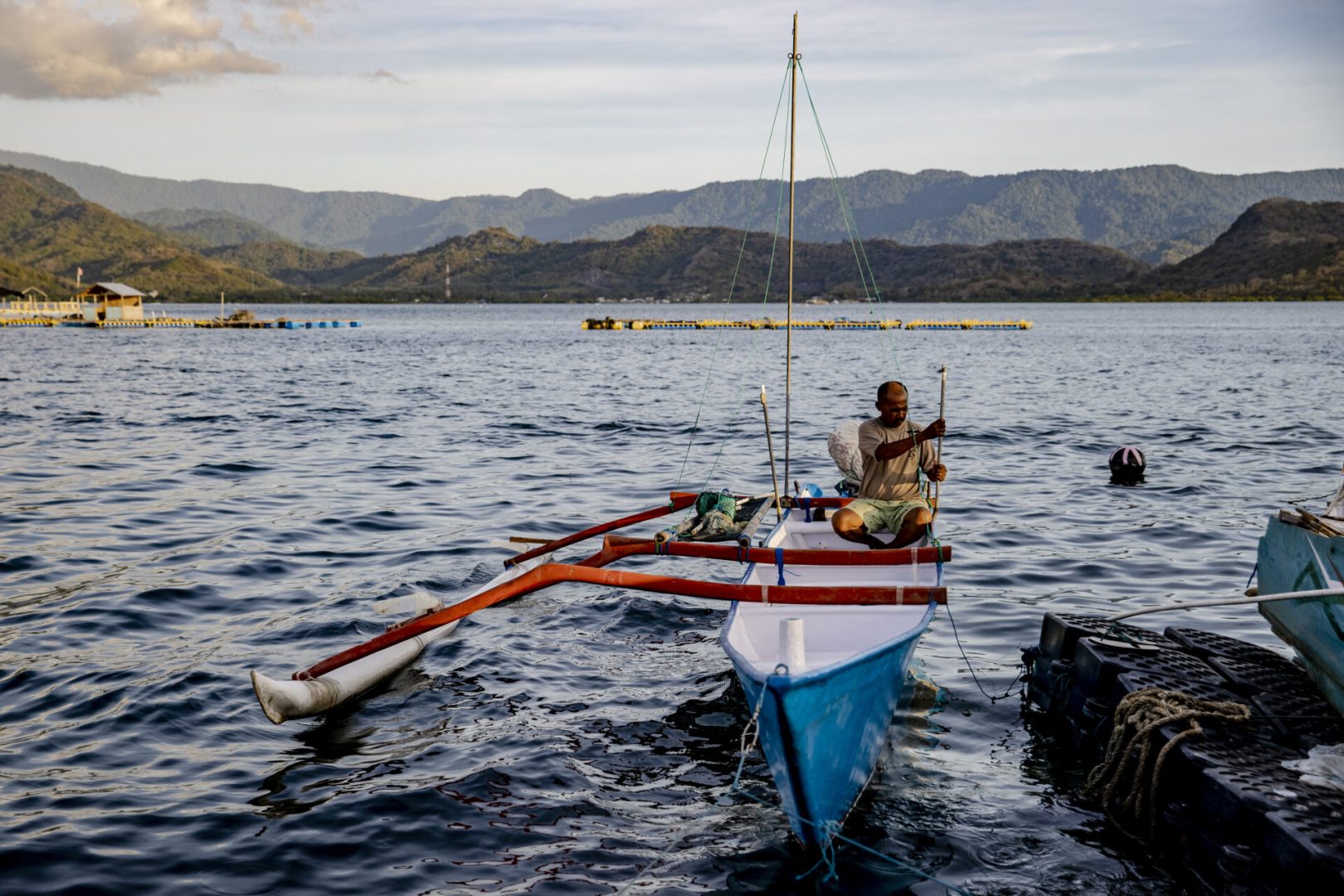
    Five years ago, the beaches on Nusa Lembongan, a paradisal island half an hour’s speedboat ride from Bali, were pockmarked with the kind of rubbish that blights large stretches of Indonesia’s most famous tourist destination. These days, Nusa Lembongan’s shorelines are squeaky clean and its once heavily-polluted river, home to an extensive system of mangroves, is pristine. The turnaround has been credited in large part to the Lembongan Recycling Centre (LRC), a community-run facility that collects rubbish twice daily from businesses, homes and waste collection points on the island, and then sorts and compacts paper, plastic, metal and glass for sale. Not only has the initiative increased environmental awareness among islanders, but it has also put a literal value on waste, giving residents a financial incentive to clean up their home. “The mangroves were cleaned of metal, including old boat engines and motorbikes, when locals discovered the metal had value,” Margaret Barry, the Australian founder of the Bali Children’s Foundation, a non-profit that helps finance the LRC, told Al Jazeera.

    Read more
    Fijian beekeepers keen to export high-quality honey, but face pollen shortage
    Circular EconomyMarch 31, 2023

    Fijian beekeepers keen to export high-quality honey, but face pollen shortage

    A boom in beekeeping in the Pacific has helped improve yield and quality for more than 30 per cent of the country’s pollination-dependent crops, but it comes at an inopportune time as Fiji grapples with a varroa mite invasion and adverse weather events. It has presented beekeepers in the Pacific nation with a dilemma. There is an untapped potential to export high-value, niche-marketed honey products, and Australian researchers are working to create new market opportunities for Fijian honey abroad. But the Pacific’s bees are hungry and struggling with pests, and researchers and beekeepers are all finding solutions. Fijian Beekeeping Association president Nilesh Ravindra Kumar said intense rainfall had washed pollen away, which had resulted in bees left without a food source. “We need to do supplement feed, but at the moment all we are doing in Fiji is raw sugar,” he said. Dr Schouten hoped the Pacific would be able to leverage its unique tropical climate to offer new honey products to the market. “People are producing value-added products like beeswax, lip balms, candles, soap, surf wax,” he said. “You can create vanilla honey, comb honey. It can be very specific floral resources.

    Read more
    Advancing Forest Conservation in São Tomé and Príncipe
    Circular EconomyMarch 23, 2023

    Advancing Forest Conservation in São Tomé and Príncipe

    On the island of São Tomé, one third of the territory is covered by mostly primary forests, an exceptional natural habitat for various species of fauna and flora that present a very high level of endemism. More than 33% of the country’s population depend directly on these areas for livelihoods, further underlining their importance. To safeguard this natural heritage, Law Nr. 06/2006 was created to protect these habitats, which include the forest ecosystems of the centre of the island, the mangrove of Malanza (the largest mangrove in the country) and the savannah area of Praia das Conchas and Lagoa Azul. With this background, BirdLife International is collaborating with government institutions, civil society, and the private sector in several conservation actions, based on objectives defined in the Strategic Plan for STP for 2021-2030. “We believe that changing mindsets is a long-term process and is only possible when all parties are united to achieve a common goal. To this end, we have implemented various actions, involving and empowering stakeholders, to maintain or improve the conservation of STP’s natural heritage”, notes Abigail Varela, BirdLife International’s Conservation Officer for the Island of São Tomé.

    Read more
    From cleaner oceans to thriving communities: the economic impacts of plastic pollution
    Circular EconomyMarch 23, 2023

    From cleaner oceans to thriving communities: the economic impacts of plastic pollution

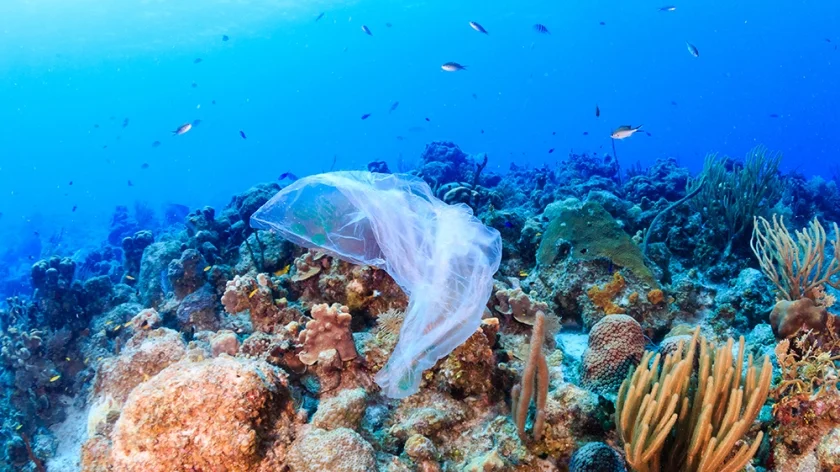
    With support from the Norwegian Agency for Development Cooperation (Norad), the Plastic Waste Free Islands project focused on six islands in the Pacific and the Caribbean regions: Fiji, Samoa, Vanuatu, Antigua and Barbuda, Grenada, and Saint Lucia. Three new economic briefs for the Caribbean demonstrate the impacts that plastic pollution has on the marine environment, livelihoods, and economic and social aspects of island life. Plastics impact fisheries through dumped catch, fouling incidents, net repairs and time lost cleaning nets; while ghost fishing can generate additional revenue losses. Tourism can be impacted when tourists are no longer willing to visit, due to plastic litter on beaches. In order to avoid this impact, beach clean-up costs need to be incurred. These, and other factors, are costs associated with marine plastic pollution. These three studies provide in-depth analysis of the economic impacts of plastic pollution on tourism and fisheries in Antigua and Barbuda, Grenada, and Saint Lucia, and estimate direct costs for the economy of each island. There is also a [summary document highlighting the economic impacts of plastic pollution](https://www.iucn.org/resources/grey-literature/summary-economic-impact-marine-plastic-pollution-antigua-and-barbuda) in the Caribbean Sea.

    Read more
    Landscape architecture students design sustainable master plan for storm-battered island in The Bahamas
    Circular EconomyMarch 13, 2023

    Landscape architecture students design sustainable master plan for storm-battered island in The Bahamas

    The island of Eleuthera in the Bahamas has many attractive features—pink sand beaches, coral reefs, a rich culture—and one huge challenge: self-sustainability. Recently, Clemson University landscape architecture students partnered with the non-profit [One Eleuthera Foundation](https://oneeleuthera.org/) (OEF) to design a vision for a sustainable future. The undergraduate landscape architecture studio led by Professor Hala Nassar in Fall 2022 created a master plan for One Eleuthera Foundation’s proposed Centre for Training and Innovation (CTI). Nassar noted that while Eleuthera’s economy thrived in the first half of the 20th century, between 1965 and 1995, tourism and agriculture began to decline. In 2019, Hurricane Dorian dealt a blow with devastating damage and flooding. “As these changes continue to threaten the local economy and environment, the island is exploring methods to adapt and enhance climate resiliency,” Nassar said.

    Read more
    This is the world’s first zero-waste island. Could Australia be next?
    Circular EconomyFebruary 27, 2023

    This is the world’s first zero-waste island. Could Australia be next?

    Read more