VIS 2026VIS 2026 — Virtual Island Summit|Also: GSIS 2027GSIS 2027
Island Innovation Logo
About
Services
The Network
Events
Content Library
Contact Us

Subscribe to our newsletter. By submitting, you agree to our Privacy Policy.

Island Innovation

Island Innovation works with governments, institutions, and partners worldwide to support island-led sustainable economic development.

We Support The UN Development Goals

SDG 9: Industry, Innovation and InfrastructureSDG 11: Sustainable Cities and CommunitiesSDG 12: Responsible Consumption and ProductionSDG 13: Climate ActionSDG 14: Life Below WaterSDG 17: Partnerships for the Goals

Explore

AboutServicesNetworkEvents

Content

ArticlesNewsCareers

Ready to Connect?

Join the island innovation community

Get in Touch

About

  • About us
  • Case Studies
  • FAQs
  • Press
  • Careers
  • Contact

Services

  • Services Overview
  • Public & Media Relations
  • Strategic Communications

Network

  • The Island Network
  • Academic Council
  • Newsletter

Events

  • Our Events
  • Watch Past Events

Content

  • All Content Library
  • Videos
  • Articles
  • News
Privacy PolicyTerms of ServiceContact

© 2025 Island Innovation. All rights reserved.

    News

    Curated stories and analysis from islands and sustainability leaders worldwide.

    Filter by Core Theme

    All ThemesCircular EconomyClimate ActionConnectivity & DigitizationCulture & CommunityEnergy & TransportGreen Finance & EconomyOcean & BiodiversityPolicy & GovernanceTourism & Remote WorkWater & Food
    Showing 9 of 100 news items in Circular Economy
    Closing the Caribbean Plastic Tap: propelling Caribbean SIDS towards a plastic-free future
    Circular EconomyAugust 5, 2024

    Closing the Caribbean Plastic Tap: propelling Caribbean SIDS towards a plastic-free future

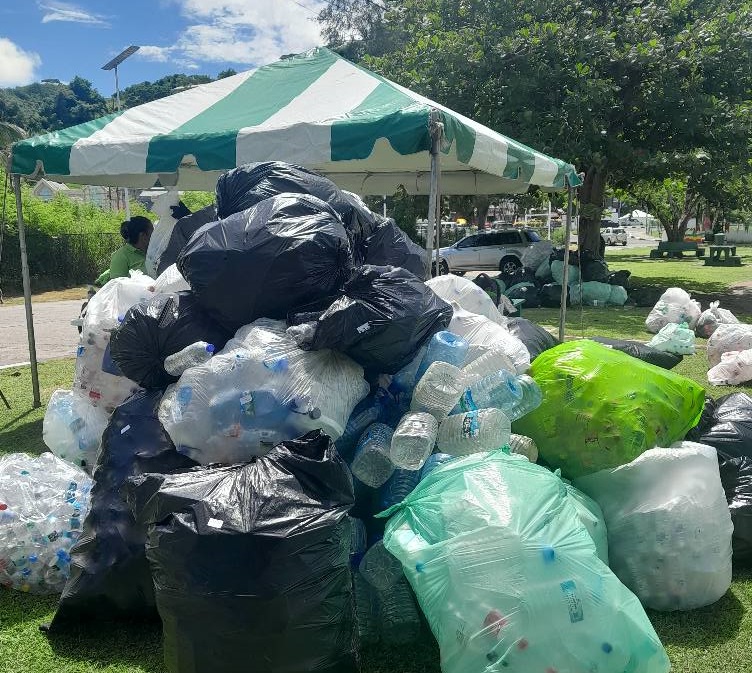
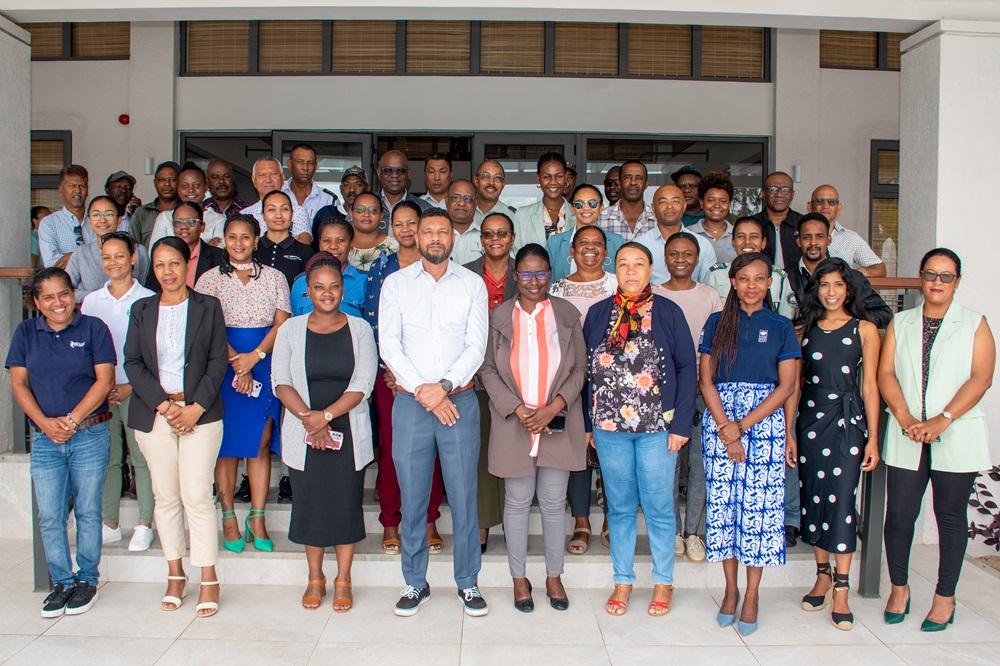
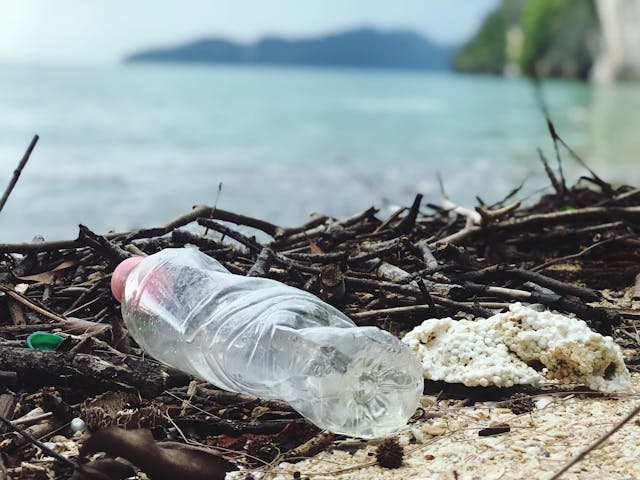
    PHOTO: @JOAO SOUSA/IUCN. Retrieved from iucn.org Managing plastics, micro-plastics, and plastic waste effectively is a critical global issue. In 2017, plastic production surpassed 8.3 billion tonnes and has continued to grow annually. Packaging materials and single-use items accounted for 40% of this global plastic production, the majority of which is disposed of in landfills or the open environment. It is estimated that up to 13 million tonnes of plastic end up in the oceans annually. The Caribbean islands, which constitute one of the world’s 35 biodiversity hotspots and one of the areas with the greatest endemic biodiversity on the planet, are severely threatened by plastic pollution. The World Bank estimates that the Caribbean coasts are contaminated with an average of 2,014 objects per kilometer, one-fifth of which are plastic bottles. In this context, the Closing the Caribbean Plastic Tap project, a 2M€ initiative funded by the Italian Agency for Development Cooperation (AICS), aims at supporting the reduction in plastic waste generation and leakage in Antigua and Barbuda, Grenada, St. Lucia, St. Kitts and Nevis and Saint Vincent and the Grenadines, by implementing effective, socially inclusive solutions to advance circular economy. On June 28th and July 10th, National Inception Workshops were held in Saint Lucia and St. Kitts and Nevis respectively, bringing together different stakeholders and partners at national level, and emphasizing the importance of mutual collaboration for the achievement of the project’s goal and outcomes.

    12345678910
    Read more
    Niue looks to Solomon Islands for workers
    Circular EconomyAugust 5, 2024

    Niue looks to Solomon Islands for workers

    Excerpt and Photo from abc.net.au A labour agreement between the Solomon Islands and Niue is expected to see Solomon Islanders travel to Niue to fill employment gaps there. “We have a population of less than 2,000, our people are New Zealand citizens so they can freely migrate out,” said Gaylene Tasmania, chair of Niue’s Labour Mobility Steering Committee. “In order to meet the service needs of our people, we need labour. “It just so happens Solomon Islands had an excess of workers that were ready … we need health care workers.”

    Read more
    IDB Lab seeks innovative solutions to mitigate Sargassum impact
    Circular EconomyJuly 29, 2024

    IDB Lab seeks innovative solutions to mitigate Sargassum impact

    IDB Lab, the innovation laboratory of the Inter-American Development Bank Group (IDB Group), in collaboration with other agencies is launching the Sargassum Innovation Quest. The initiative aims to harness the potential of the sargassum biomass and improve the resilience in Latin America and the Caribbean’s coastal communities through the use of advanced technology and innovative practice. It says since 2011, the region has faced significant challenges from the influx of sargassum, impacting tourism, fisheries and coastal ecosystems. The call is open to proposals for technological solutions from startups, corporations, foundations, non-profit organisations, and academic institutions, among others. These solutions must be already proven at an experimental level and need to be scaled to a commercial level, with business models meeting economic viability, social impact, environmental sustainability and sectoral innovation requirements.

    Read more
    IslandPlas initiative aims to tackle plastic pollution as African islands drown in a sea of waste
    Circular EconomyJuly 29, 2024

    IslandPlas initiative aims to tackle plastic pollution as African islands drown in a sea of waste

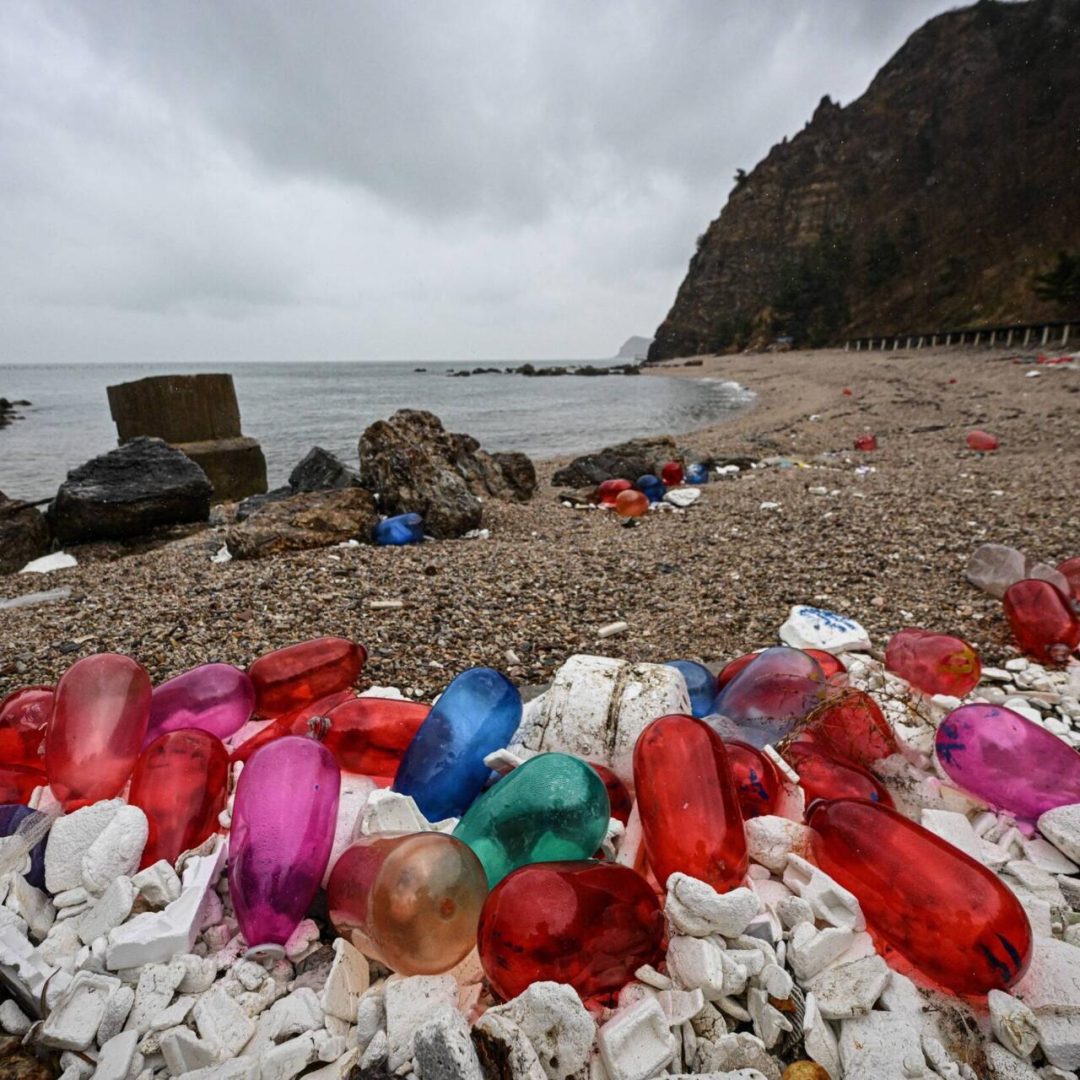
    Photo credit: Elgin Crea: Retrieved from dailymaverick.co.za Plastic pollution is a global problem but its impact on the shores of African islands and their communities far exceeds that of inland countries, flowing in from both countries in the global north and from within these island states. Mauritius, Cabo Verde, Comoros, Madagascar, São Tomé and Príncipe, Seychelles, and Zanzibar produce around 200,000 tons of plastic waste per year with only around 40% of it collected. To understand the scale of this, if an adult elephant weighs an average of five tons, 200,000 tons of plastic  waste would equate to 40,000 adult elephants! These small islands lack economies of scale, as well as the waste management and industry infrastructure needed to enable a robust circular economy for plastics. This results in unsustainable waste management practices such as landfilling and an increased risk for large-scale plastic leakage into the environment, especially the ocean. At the International Union for Conservation of Nature (IUCN) Africa Conservation Cconference in Nairobi in June, the IslandPlas initiative was started to give these islands a fighting chance against plastic pollution on their shores by implementing waste management and recycling initiatives that reduce plastic waste leakage in the targeted seven African islands and help them transition into plastic waste-free islands.

    Read more
    Can the circular economy help the Caribbean win its war against waste?
    Circular EconomyJune 10, 2024

    Can the circular economy help the Caribbean win its war against waste?

    Image by Sandra Weiss. Retrieved from news.mongabay.com The best place to party on the Caribbean island of Curaçao is Mambo Beach, near the island’s capital, Willemstad. On weekends, DJs outperform each other, spinning the hottest music at shoreside hotels and beach clubs. Tourists and locals dance the night long, consuming beer, cocktails, rum, soft drinks, and maybe water. Then, at 4 a.m., when the last partyers have fallen asleep on the beach’s sunbeds, the [Green Phenix](https://greenphenix.com/about/) team arrives and starts collecting the garbage strewn by guests. Green Phenix is a local environmental startup that has set itself a big goal: To clean up Curaçao. This is more than a civic duty — it may also be a national imperative: Waste disposal has become a serious problem on the island, which is the size of Manhattan, and it’s getting worse. The same is true on islands across the Caribbean. “In 2020, each [Curaçao] islander produced an [average of 1,200 kilograms](https://cuatro.sim-cdn.nl/cbscuracao/uploads/curacao-environmental-statistics-compendium-2020-a_0.pdf?cb=QD13A2_h.html) [about 2,650 pounds] of waste per year,” says Ciaretta Profas, a government adviser on environmental policy. “That’s three times as much as usual in Latin America,” she adds. Of course, this isn’t because the inhabitants of Curaçao are particularly wasteful, but because all the garbage left behind by tourists is statistically attributed to the 150,000 inhabitants.

    Read more
    Inside Vanuatu’s Resilience Revolution: A Blueprint for Small Island States
    Circular EconomyMay 31, 2024

    Inside Vanuatu’s Resilience Revolution: A Blueprint for Small Island States

    Photo: Hamish Wyatt/World Bank. Retrieved from worldbank.org Over the course of 10 years of partnership, the World Bank has supported efforts by the government of Vanuatu to build the skills and institutions it needs to deal with the many volcanic eruptions and earthquakes it is prone to as well as the increasingly frequent and severe cyclones. This collaboration and institutional strengthening with one of the world’s most climate-vulnerable countries could serve as a model for other small island states as climate impacts worsen around the world. The World Bank has been working in Vanuatu since the 1980s. Over the past decade, much of its work there has focused on disaster risk management, including building on the geohazard monitoring work that Dr. Esline Garaebiti began back in 1997. Dr. Garaebiti, one of the first female geoscientists in the Pacific and a recipient of a Women’s International Network for Disaster Risk Reduction Leadership Award, is the Director General of Vanuatu’s Ministry of Climate Change. Born on a volcanic island, Esline discovered her passion for earth science as an undergraduate. In 1997, she joined a French organization implementing Vanuatu’s first geohazard monitoring. She then become the geohazards manager for the government of Vanuatu before assuming her current post, in 2020.

    Read more
    Antiguan appointed Executive Director of the Centre for Excellence for Oceanography and Blue Economy
    Circular EconomyMay 29, 2024

    Antiguan appointed Executive Director of the Centre for Excellence for Oceanography and Blue Economy

    Photo courtesy UWI FIC. Retrieved from antiguaobserver.com The University of the West Indies (The UWI) is pleased to announce the appointment of Dr Branson D Belle as the Executive Director of the Centre for Excellence for Oceanography and the Blue Economy at The UWI Five Islands Campus in Antigua and Barbuda. The Centre aims to advance research and training in oceanography and sustainable maritime industries, contributing to the development of the blue economy in the Caribbean region. According to a press release, Dr Belle, an Antiguan national, brings over 20 years of experience in cutting-edge technology development from renowned universities and research institutes. He obtained his PhD in Magnetic Materials from the University of Manchester (UoM), where he also earned a Master’s degree in Electronic and Electrical Engineering with First Class Honours, and spent a year at ENSEEIHT in Toulouse, France. He was awarded the FC Williams (2000), IEEE (2001) and the Sir William Siemen (2003) awards for most outstanding academic achievements in his years at UoM. Belle then obtained an Overseas Research Scholarship award to pursue his PhD in Magnetic Materials at UoM. After his PhD, Dr Belle worked as a Research Associate with Nobel Prize winners Professor Sir Andre Geim and Professor Sir Kostya Novoselov. He co-founded 2-DTech Ltd, a materials and technology company later acquired by Versarien PLC. For the past nine years, Dr Belle has been a senior scientist at SINTEF, one of Europe’s largest research institutes, working in the departments of Smart Sensor Systems and Sustainable Energy Technology. He has published over 30 peer-reviewed papers in prestigious journals and secured over $7 million in grant funding.

    Read more
    Small islands must wake up to chemical and pollution ‘time bomb’
    Circular EconomyMay 28, 2024

    Small islands must wake up to chemical and pollution ‘time bomb’

    Small island developing States (SIDS) gathered in Antigua and Barbuda this week for the SIDS4 conference should not be afraid to stand up to companies seeking short-term profit at the long-term expense of human health and the environment – especially in the tourism sector. That’s the message from the Seychelles-born Executive Secretary of the UN-administered Basel, Rotterdam and Stockholm Conventions Rolph Payet. He told UN News in Antigua that pollution – from chemical waste or cruise ships – is a “time bomb” for vulnerable countries unless they band together and take more action. He told Matt Wells that while fighting climate change is a complex challenge for small islands, they can collaborate better to reduce pollution and promote sustainability through achievable and tangible goals such as water harvesting.

    Read more
    Opinion ǀ American Samoa deserves to thrive as fishing shifts
    Circular EconomyMay 17, 2024

    Opinion ǀ American Samoa deserves to thrive as fishing shifts

    Excerpt and Photo from mvariety.com THE perilous state of American Samoa’s last tuna cannery is an outcome that experts have long warned about. An international shift in the fishing industry, largely driven by countries with lower workforce standards and pay and subsidized infrastructure, makes U.S. competition in the cannery industry unavailing. In desperate attempts to cling to the last of what was once four canneries in American Samoa, some industrial fishers and cannery operators are trying to blame Pacific conservation efforts as the culprits. Despite the anticipated demise, it is disingenuous to pit the vitality of the ocean against American Samoa’s livelihood. This divisive approach offers false hope that the territory’s cannery can somehow survive if we don’t protect the health of the Pacific Remote Islands. Located in the middle of the Pacific ocean, Howland, Baker, Jarvis and Wake Islands; Johnston and Palmyra Atolls; and Kingman Reef are home to some of our planet’s last wild and healthy ocean ecosystems. The islands, atolls and reefs also hold rich voyaging and cultural history among indigenous Pacific Islanders.

    Read more