VIS 2026VIS 2026 — Virtual Island Summit|Also: GSIS 2027GSIS 2027
Island Innovation Logo
About
Services
The Network
Events
Content Library
Contact Us

Subscribe to our newsletter. By submitting, you agree to our Privacy Policy.

Island Innovation

Island Innovation works with governments, institutions, and partners worldwide to support island-led sustainable economic development.

We Support The UN Development Goals

SDG 9: Industry, Innovation and InfrastructureSDG 11: Sustainable Cities and CommunitiesSDG 12: Responsible Consumption and ProductionSDG 13: Climate ActionSDG 14: Life Below WaterSDG 17: Partnerships for the Goals

Explore

AboutServicesNetworkEvents

Content

ArticlesNewsCareers

Ready to Connect?

Join the island innovation community

Get in Touch

About

  • About us
  • Case Studies
  • FAQs
  • Press
  • Careers
  • Contact

Services

  • Services Overview
  • Public & Media Relations
  • Strategic Communications

Network

  • The Island Network
  • Academic Council
  • Newsletter

Events

  • Our Events
  • Watch Past Events

Content

  • All Content Library
  • Videos
  • Articles
  • News
Privacy PolicyTerms of ServiceContact

© 2025 Island Innovation. All rights reserved.

    News

    Curated stories and analysis from islands and sustainability leaders worldwide.

    Filter by Core Theme

    All ThemesCircular EconomyClimate ActionConnectivity & DigitizationCulture & CommunityEnergy & TransportGreen Finance & EconomyOcean & BiodiversityPolicy & GovernanceTourism & Remote WorkWater & Food
    Showing 9 of 100 news items in Circular Economy
    Keeping Paradise a Paradise: Community-led total sanitation in Kiritimati
    Circular EconomyOctober 16, 2023

    Keeping Paradise a Paradise: Community-led total sanitation in Kiritimati

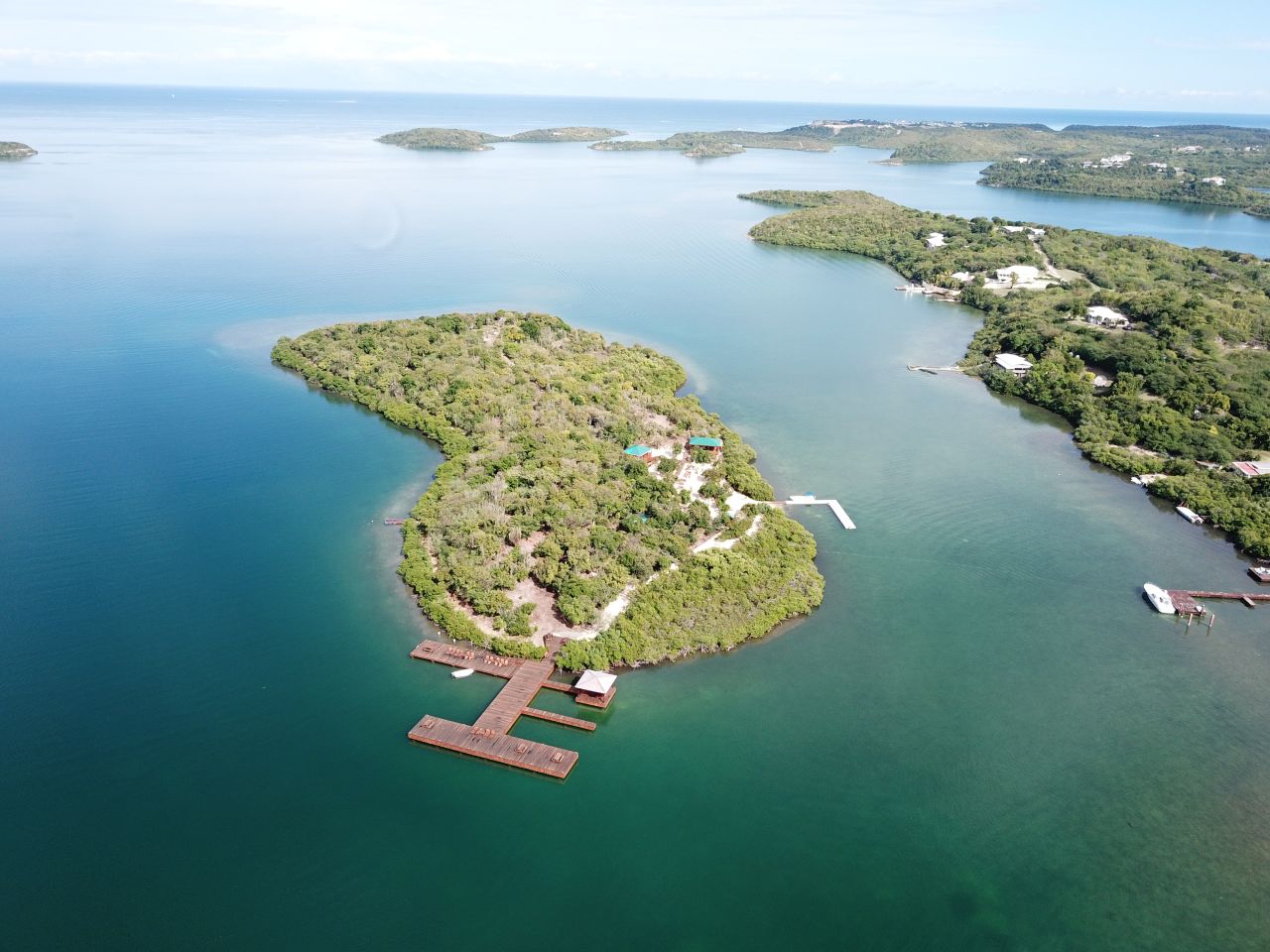
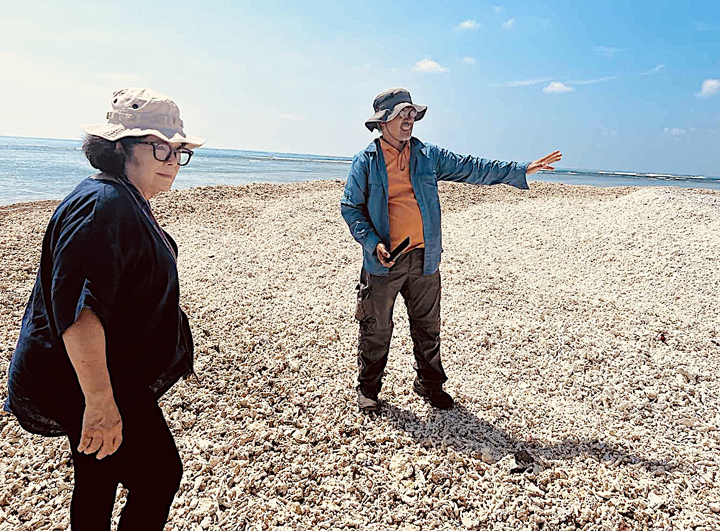
    Image credit: Nick Rice Chudeau. Excerpt from unicef.org Kiritimati is a pristine tropical island with turquoise blue lagoons and white sandy beaches with lush coconut groves. Located in the Central Pacific, Kiritimati is part of Kiribati – an island country of Micronesia comprised of 32 atolls scattered across 3.5 million km2. Kiritimati truly is a paradise island today, but how can we protect it so that it can remain so for future generations? Kiritimati only had 38 inhabitants in 1931, but as of 2020 has more than 7,400 – 44 per cent of whom are under 19 years old. With this growing population comes the challenges of balancing the growing pressures of sustainable urbanization with protecting a sensitive ecosystem, all while safeguarding the health of I-Kiribati children. Kiritimati doesn’t receive much rainwater, and weather patterns have become increasingly unpredictable, so the majority of the population relies on groundwater. Since most of the land in Kiritimati is just a few metres above sea-level, communities like Poland where Beeta lives, are extremely vulnerable to the impacts of the climate crisis. UNICEF is working with the Kiribati Ministry of Line and Phoenix Island Development (MLPID) and the Pacific Community (SPC) to improve access to adequate and equitable sanitation and hygiene, as well as strengthen community, household and institutional resilience for water, sanitation and hygiene (WASH).

    12345678910
    Read more
    Circular economy, waste management: Mayors of Indian Ocean countries meet in Seychelles
    Circular EconomySeptember 25, 2023

    Circular economy, waste management: Mayors of Indian Ocean countries meet in Seychelles

    Photo: Retrieved from the Seychelles News Agency. Photo License: [CC-BY](http://www.seychellesnewsagency.com/buy_prints#attribution) Mayors of Indian Ocean countries convened in Seychelles to discuss region-specific issues, including the circular economy and waste management, and elected a new committee. During the two-day workshop that took place at the Berjaya Beau Vallon Bay Hotel, organized by the Association of Cities and Communities of the Indian Ocean (AVCOI) and the International Association of Francophone Mayors (IAFM), a new committee was elected. The representatives also attended round table discussions about the role of local authorities in the development of the Blue Economy. The AVCOI is an association that groups the local authorities of the Indian Ocean, founded in 1990 and made up of towns and local authorities from the Comoros, Madagascar, Mauritius, Mayotte, Reunion, and Seychelles. The Association’s main role is to drive concrete projects for local development and regional integration in the Indian Ocean region. “We meet annually to discuss issues that we have in common, and find ways to share ideas and experiences of dealing with these issues,” the Mayor of Victoria, Lydia Charlie, told reporters.

    Read more
    Caribbean countries meet in Jamaica to share their experiences on waste management to better protect the environment
    Circular EconomySeptember 25, 2023

    Caribbean countries meet in Jamaica to share their experiences on waste management to better protect the environment

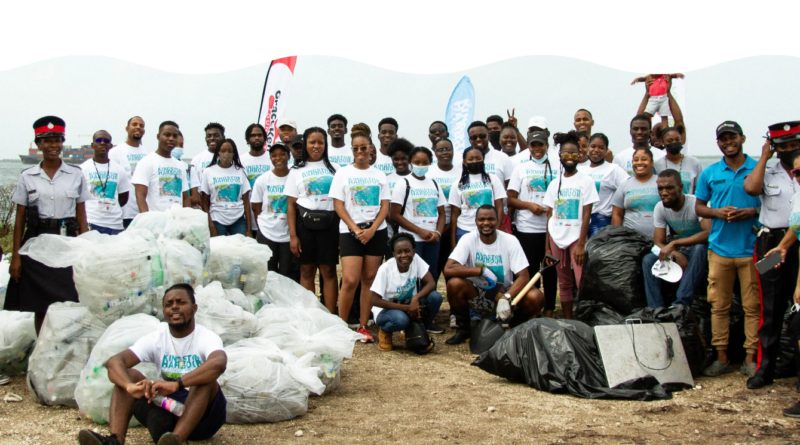
    Photo retrieved from dominicanewsonline.com In an effort to address the growing challenges of waste management and environmental sustainability in the Caribbean region, a regional training and technical exchange activity opened in Kingston, Jamaica. This initiative aims to strengthen waste information systems and enhance the capacity of participating countries to generate accurate waste management statistics. The Minister of Local Government and Community Development of Jamaica, Honorable Desmond McKenzie opened the workshop saying “Public education has played a key role in the sensitisation of Jamaicans on waste disposal and the risks associated with poor waste management. At the same time, the provision of over 100 trucks to the national Solid Waste Management Authority is helping to keep the streets of Jamaica clean. Through both of these tools, the Ministry of Local Government and Community Development is proving that waste management is high on the country’s agenda.” The Caribbean region faces unique challenges when it comes to waste management and environmental conservation. As the demand for resources continues to rise, the responsible management of waste becomes increasingly vital. To address these challenges effectively, the Zero Waste in the Caribbean initiative was launched to promote integrated and sustainable waste management in the context of a circular economy in the Caribbean. The Zero Waste in the Caribbean project is funded by the European Union, in collaboration with CARIFORUM, co-financed by the German cooperation, and implemented by AFD, GIZ, and UNEP, in partnership with the OECS.

    Read more
    New Partnership Aims To Boost Circular Economy In Puerto Rico
    Circular EconomySeptember 18, 2023

    New Partnership Aims To Boost Circular Economy In Puerto Rico

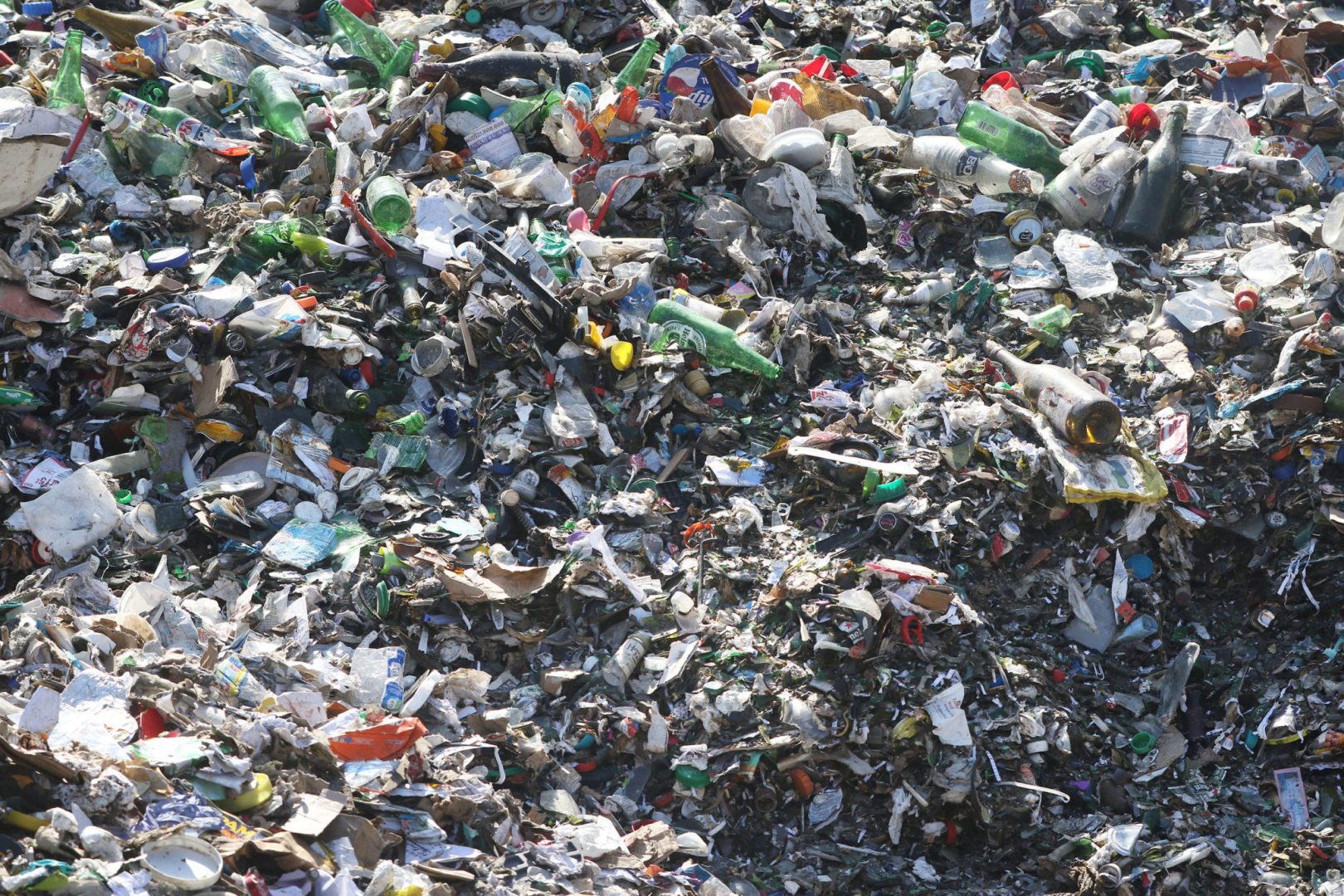
    Photo credit: RICARDO ARDUENGO/AFP via Getty Images. Retrieved from forbes.com A new strategic partnership aims to boost the circular economy innovation on the island of Puerto Rico to convert unmanaged or landfilled items, such as sargassum seaweed, plastics and tires, into new products. The New York-based technology center, Newlab, and the island’s economic development organization, Invest Puerto Rico, are recruiting entrepreneurs and early-stage companies to pilot innovative waste conversion solutions. The aim is to reduce landfill waste, unlock the potential for renewable life cycles of materials, such as end-of-life tires, waste plastics, and sargassum seaweed, and turn these items into valuable resources. Sargassum is a seaweed whose excess growth in recent years is affecting the coastal ecosystems and communities of Puerto Rico and other nearby Caribbean islands. Tires are another damaging waste stream in Puerto Rico, with almost 18,000 tires being disposed​​​​​​ every day on the island. And by harnessing advancements in recycling technologies and circular design principles, the partners seek to make plastic recycling viable in Puerto Rico​ to​ ​alleviate​​​ the issues around plastic waste and reduce​ dependency on imports.

    Read more
    Sea sponges offer lifeline to women in Zanzibar
    Circular EconomySeptember 18, 2023

    Sea sponges offer lifeline to women in Zanzibar

    Image credit: Lauraclara Cosmas. Retrieved from bbc.com The quest for prosperity has led Rajabu and 12 other divorced women and single mothers from Zanzibar’s Jambiani village into the Indian Ocean to grow climate-resilient sponges. Farming sea sponges has become a lucrative business for these women in recent years. Many women in Jambiani [farm seaweed](https://www.bbc.co.uk/news/stories-44688104), but low yields due to [rising sea temperatures](https://link.springer.com/content/pdf/10.1007/978-3-030-45106-6_54.pdf) have started to make it to earn a living. In 2009,some women began switching to growing [puff-like soft sea sponges](https://www.britannica.com/animal/sponge-animal): primitive aquatic animals that, when harvested, are used for bathing and cleaning. Sea sponges are more [resilient to warmer temperatures](https://www.jstor.org/stable/90026608) and [filter pollutants such as sewage and pesticides](https://oceanconservancy.org/blog/2022/12/22/why-sponges-are-underrated/) out ofthe water. Local women’s rights activists say sea sponge farming is helping to improve gender equality in Zanzibar and has lifted these women out of poverty. The farmers themselves say their quality of life has improved. Sea sponges, which are technically animals but grow, reproduce and survive like plants, are comprised of a shell-like layer, riddled with tiny pores which allows water to flow in and out. The marine creatures are thought to have existed [for over 600 million years](https://news.mit.edu/2016/earth-first-animal-simple-sea-sponge-0222) and may well have been Earth’s first animal. Scientists have identified over 15,000 species [globally](https://www.frontiersin.org/articles/10.3389/fmars.2023.1191858/full). Marine Cultures, a Swiss non-profit, established sponge farming in Zanzibar in 2009 to enable poor women to earn a better income and help protect the region’s natural resources. “I thought it is a good thing to cultivate the sea, not only to take things out, without giving something back,” says founder Christian Vaterlaus.

    Read more
    Traditional boat-building with a modern spin to reduce Marshall Islands’ reliance on diesel
    Circular EconomySeptember 12, 2023

    Traditional boat-building with a modern spin to reduce Marshall Islands’ reliance on diesel

    Photography by ABC Science: Belinda Smith. Retrieved from abc.net.au Rising sea levels mean high tides inundate the low-lying land in Majuro more often than they used to, flooding businesses and eroding the coastline. For coral atolls like Majuro, where the sandy land generally pokes only a metre or two above the waves and is no more than a few hundred metres wide, the sea is a constant presence; a roiling ocean stretching to the distant horizon to one side, and a relatively sedate lagoon on the other. And the sea is central to Marshallese culture and economy. For thousands of years, Marshallese sailors have criss-crossed the open ocean and lagoons on outrigger canoes, shuttling people and cargo between islands sometimes hundreds of kilometres apart. Even today, most inter-island transport is done by boat. But where traditional sea transport takes place in wooden canoes with sails****woven from pandanus leaves, modern vessels tend to be propelled by diesel-powered motors. And that’s a problem. Spills and leaks pollute waters and coastlines. Toxic emissions from burning fuel can contribute to conditions such as asthma and cardiovascular disease in people living near ports. But the Marshall Islands has a plan. It involves marrying traditional engineering with futuristic technology to wean its fleets off diesel altogether. The climate-vulnerable nation has also spent decades urging the rest of the world to kick their addiction to fossil fuels. Especially the global shipping industry, which spews a billion tonnes of carbon dioxide into the atmosphere each year. Because without rapid decarbonisation, the very ocean that provides so much to the Marshall Islands might one day render much of their limited land uninhabitable.

    Read more
    A Break from Crushing Waves: Building Resilience in the Tropical Islands of São Tomé and Príncipe
    Circular EconomySeptember 12, 2023

    A Break from Crushing Waves: Building Resilience in the Tropical Islands of São Tomé and Príncipe

    Photo: Flore de Preneuf/ World Bank. Retrieved from worldbank.org [Safety-at-sea kits that include GPS, sealed pockets to protect electronics, lifejackets and training, have been distributed to about 3,000 fishers (out of an estimated 4,125 fishers) under successive World Bank projects.](https://www.worldbank.org/en/news/immersive-story/2023/09/04/a-break-from-crushing-waves-building-resilience-in-the-tropical-islands-of-afe-sao-tome-and-principe#)The kits are part of a broad menu of interventions that are helping build greater resilience and reduce poverty in the small island state of São Tomé and Príncipe (STP). About 223,000 people live on the archipelago and about 15.4% of the population falls under the international poverty line. Physical investments, financed by the International Development Association (IDA) under the multi-donor [West Africa Coastal Areas Resilience Program (WACA)](https://www.wacaprogram.org/) managed by the World Bank, focus on 12 artisanal fishing communities on the islands of São Tomé and Príncipe. These include investments in breakwaters, seawalls, road rehabilitation, boat ramps and new, safer housing for people exposed to storm surges and rising tides. Eleven lighthouses that had fallen in disrepair were renovated and equipped with more long-lasting, solar-powered technology. New recreational, sanitary, and educational facilities are being built at the communities’ request to complement the investments in coastal infrastructure. Together, these assets create a safer and cleaner living environment for fishing communities.

    Read more
    Welcome to the world’s first zero-waste island
    Circular EconomySeptember 5, 2023

    Welcome to the world’s first zero-waste island

    Image: Retrieved from positive.news I already believe that nowhere else will match the quality of life I experience here in Tilos,” says Emmanouil Antonios Fotaras, one of 745 residents living on the small Greek island, located between Rhodes and Kos. Aged 24, Fotaras has seen Tilos achieve national park designation and accomplish energy self-sufficiency with renewables. Now it has become the world’s first zero-waste island. “I knew that [the Just Go Zero project] could bring many advantages,” Fotaras says about Tilos’ efforts to go waste-free, “but I underestimated the extent of its impact.” The changes have been vast. Before the project began, the island sent 87 per cent of its waste to landfill; now 100 per cent of it is diverted from the dump. The scheme has proved such a success that the island no longer has any rubbish bins and the landfill site has now closed completely. In their place is the Centre for Creative Upcycling, where items can either be repaired, reused, or turned into raw art supplies or building materials. The project was overseen and paid for by [Polygreen](https://www.polygreen.eco/), a Greek company that specialises in circular economy solutions, but much of their success came through education.

    Read more
    Harnessing Solar Power to Empower Fisherfolks in Bungin Island, Indonesia
    Circular EconomyAugust 30, 2023

    Harnessing Solar Power to Empower Fisherfolks in Bungin Island, Indonesia

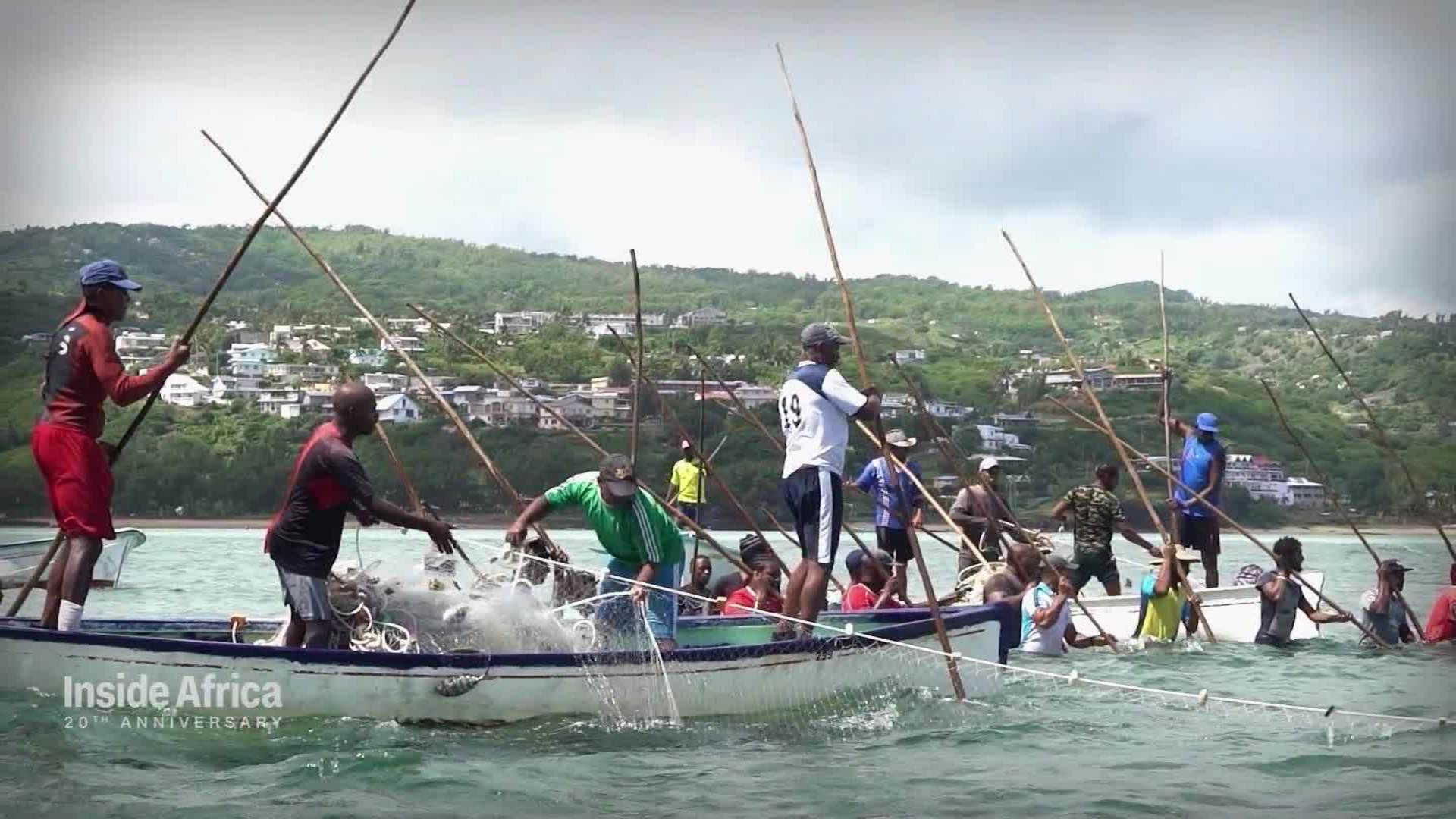
    Photo: Retrieved from oneearth.org Bungin Island, Indonesia, is one of the most populous islands in the world, with 3,400 people living in an area of around 8.5 hectares. Surrounded by the turquoise sea, most living here rely on the ocean for their livelihoods. Yet, fishers here have faced one persistent challenge: storing their precious catch. They have struggled to access ice cubes to preserve their fish for years, resulting in spoilage and significant financial losses. Seeing the potential for renewable energy, a team of lecturers from Universitas Teknologi Sumbawa (UTS) formed a campus-owned company, Olat Maras Power, to help fisherfolks in the area. Teaming up with New Energy Nexus Indonesia, they embarked on a mission to create a sustainable and affordable solution, the NgebuUTS Cold Storage Unit. The NgebuUTS Cold Storage Unit is a game-changer for the fisherfolks of Bungin Island. Powered by a harmonious blend of solar panels, batteries, and the state’s electricity company, this cutting-edge tool ensures that their hard-earned catches remain fresh for extended periods, overcoming the limitations imposed by nature.

    Read more