VIS 2026VIS 2026 — Virtual Island Summit|Also: GSIS 2027GSIS 2027
Island Innovation Logo
About
Services
The Network
Events
Content Library
Contact Us

Subscribe to our newsletter. By submitting, you agree to our Privacy Policy.

Island Innovation

Island Innovation works with governments, institutions, and partners worldwide to support island-led sustainable economic development.

We Support The UN Development Goals

SDG 9: Industry, Innovation and InfrastructureSDG 11: Sustainable Cities and CommunitiesSDG 12: Responsible Consumption and ProductionSDG 13: Climate ActionSDG 14: Life Below WaterSDG 17: Partnerships for the Goals

Explore

AboutServicesNetworkEvents

Content

ArticlesNewsCareers

Ready to Connect?

Join the island innovation community

Get in Touch

About

  • About us
  • Case Studies
  • FAQs
  • Press
  • Careers
  • Contact

Services

  • Services Overview
  • Public & Media Relations
  • Strategic Communications

Network

  • The Island Network
  • Academic Council
  • Newsletter

Events

  • Our Events
  • Watch Past Events

Content

  • All Content Library
  • Videos
  • Articles
  • News
Privacy PolicyTerms of ServiceContact

© 2025 Island Innovation. All rights reserved.

    News

    Curated stories and analysis from islands and sustainability leaders worldwide.

    Filter by Core Theme

    All ThemesCircular EconomyClimate ActionConnectivity & DigitizationCulture & CommunityEnergy & TransportGreen Finance & EconomyOcean & BiodiversityPolicy & GovernanceTourism & Remote WorkWater & Food
    Showing 9 of 504 news items in Climate Action
    From repair to reinvention: Jamaica’s defining post-hurricane choice
    Climate ActionMarch 2, 2026

    From repair to reinvention: Jamaica’s defining post-hurricane choice

    Excerpt from jamaica-gleaner.com In the aftermath of Hurricane Melissa, the public conversation has centred on an understandably sensitive issue: should Jamaicans pay more to rebuild? Roads were washed away, schools closed their doors, small businesses absorbed losses they were never structured to withstand, and several parishes continue to assess damage that will take months – if not years – to fully repair. The instinct is to debate taxation. But the more meaningful question is not whether recovery costs money. It always does. The real issue is how Jamaica chooses to finance reconstruction – and what standard of rebuilding it is prepared to accept. Over the past decade, Jamaica made deliberate progress in reducing its debt-to-GDP ratio and stabilising its macroeconomic position. That discipline matters. It restored investor confidence and reduced the country’s exposure to external shocks. A sharp return to heavy borrowing would risk weakening those gains. At the same time, avoiding difficult fiscal decisions in the name of political comfort is not a strategy either. Every country that experiences severe disruption – whether through conflict, pandemic or natural disaster – must recalibrate. Recovery requires capital. The method of mobilisation determines whether a nation stabilises or slips into repetition.

    Read more
    12345678910
    When Climate Extremes Don’t Lead to Conflict: Evidence from the Pacific Islands
    Climate ActionFebruary 25, 2026

    When Climate Extremes Don’t Lead to Conflict: Evidence from the Pacific Islands

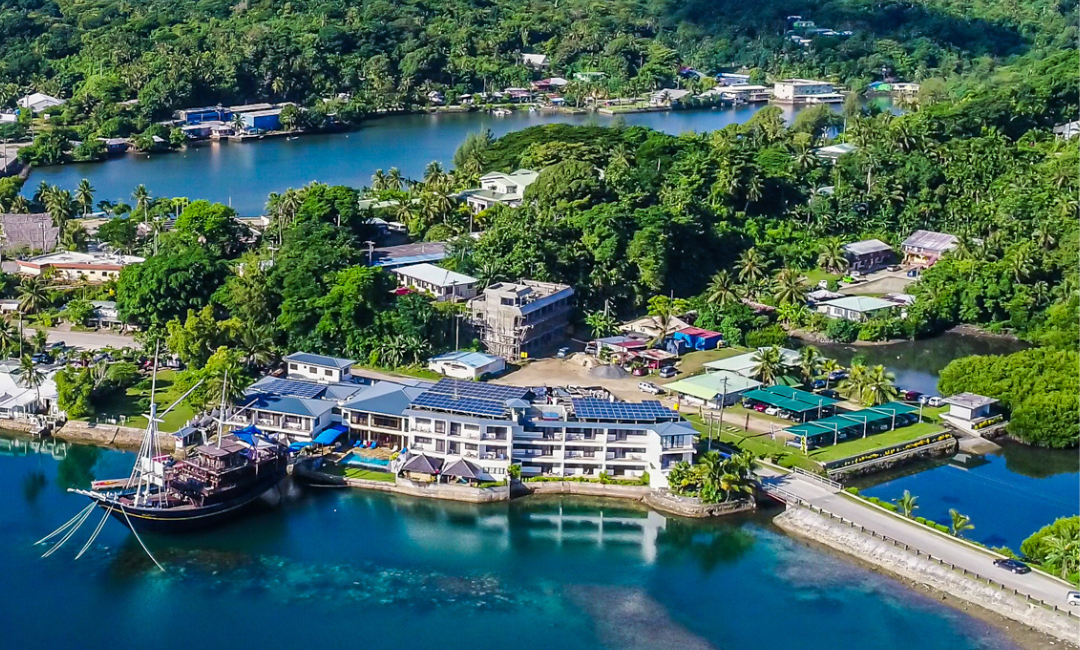
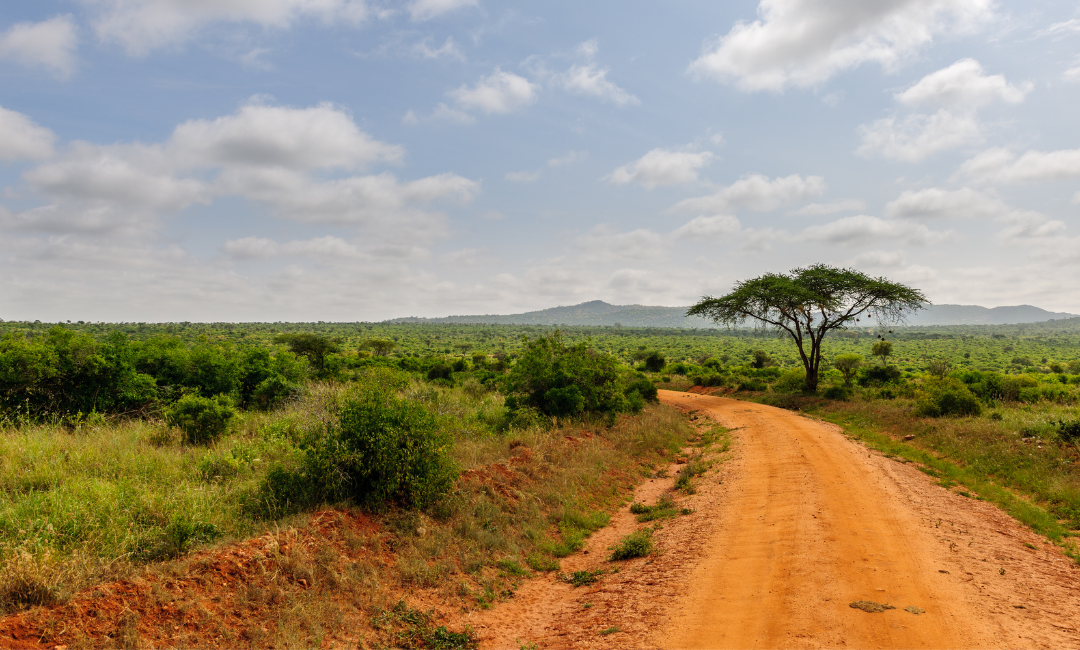
    Photo Credit and Excerpt from newsecuritybeat.org Pacific Island countries sit at the frontline of climate change. Many consist of small, low-lying islands, with long coastlines and vast ocean spaces between them. Livelihoods often depend on agriculture and fishing, and importing water or food is often infeasible or expensive. This makes those large ocean nations highly vulnerable to the impacts of climate change, such as storms, droughts, and rising sea levels. Given these vulnerabilities, analysts have expressed concerns that climate change could heighten various forms of socio-political conflict in the region. Yet the Pacific Island countries have received scarce attention in research on climate change and conflict. While recent scholarship has begun to explore possible pathways between climate stress and conflict in the Pacific Island countries, the region remains comparatively understudied. This is especially surprising given the regions’ high climate vulnerability and increasing geopolitical relevance.

    Read more
    Government announces €6.5 million Creative Climate Action fund III
    Climate ActionFebruary 25, 2026

    Government announces €6.5 million Creative Climate Action fund III

    Excerpt from gov.ie Taoiseach Micheál Martin, Minister for Culture, Communications and Sport, Patrick O’Donovan, and Minister for Climate, Energy and Environment, Darragh O’Brien, today announced a new €6.5 million Creative Climate Action Fund, which will support imaginative, large-scale creative, cultural and artistic initiatives that help communities engage with climate change and empower citizens to make meaningful behavioural change. The Creative Climate Action Fund III is an initiative of the Creative Ireland Programme in partnership with the Shared Island Initiative and the Department of Climate, Energy and Environment. The Creative Climate Action Fund III (2026-2029) will support ambitious, durational projects that bring together expertise from the arts and culture sector, climate science, and community engagement, and is delivered through a cross-Government partnership. This Fund is seeking proposals that respond creatively to key national climate priorities, including those set out in the Climate Action Plan 2025, the National Dialogue on Climate Action, and the work of the Just Transition Commission.

    Read more
    Why Greenland plays an outsized role in climate change science
    Climate ActionFebruary 11, 2026

    Why Greenland plays an outsized role in climate change science

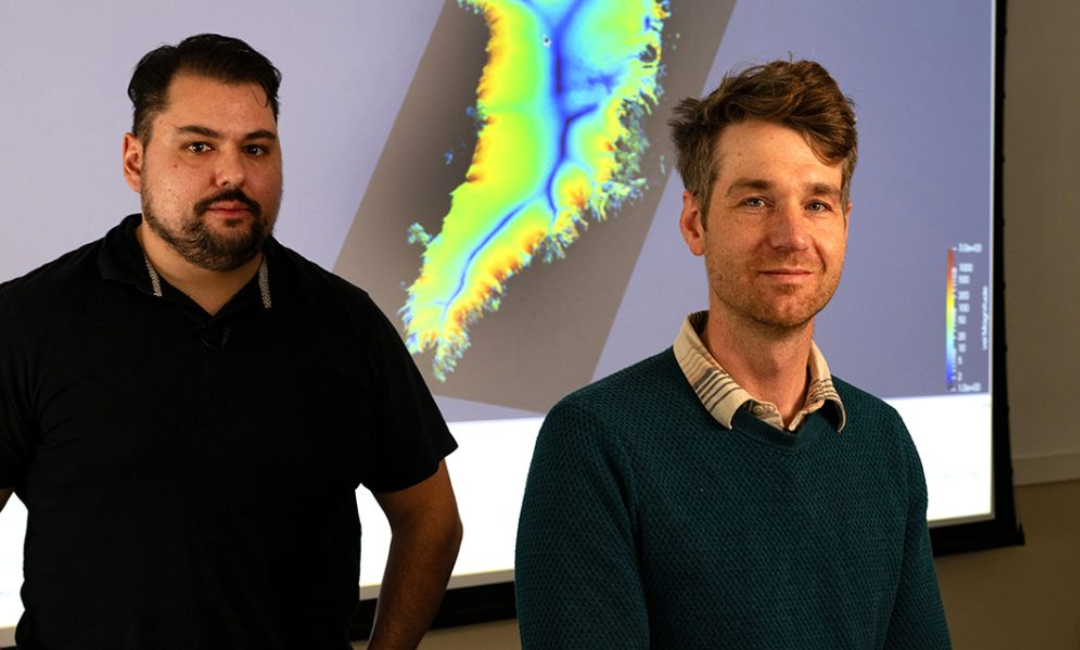
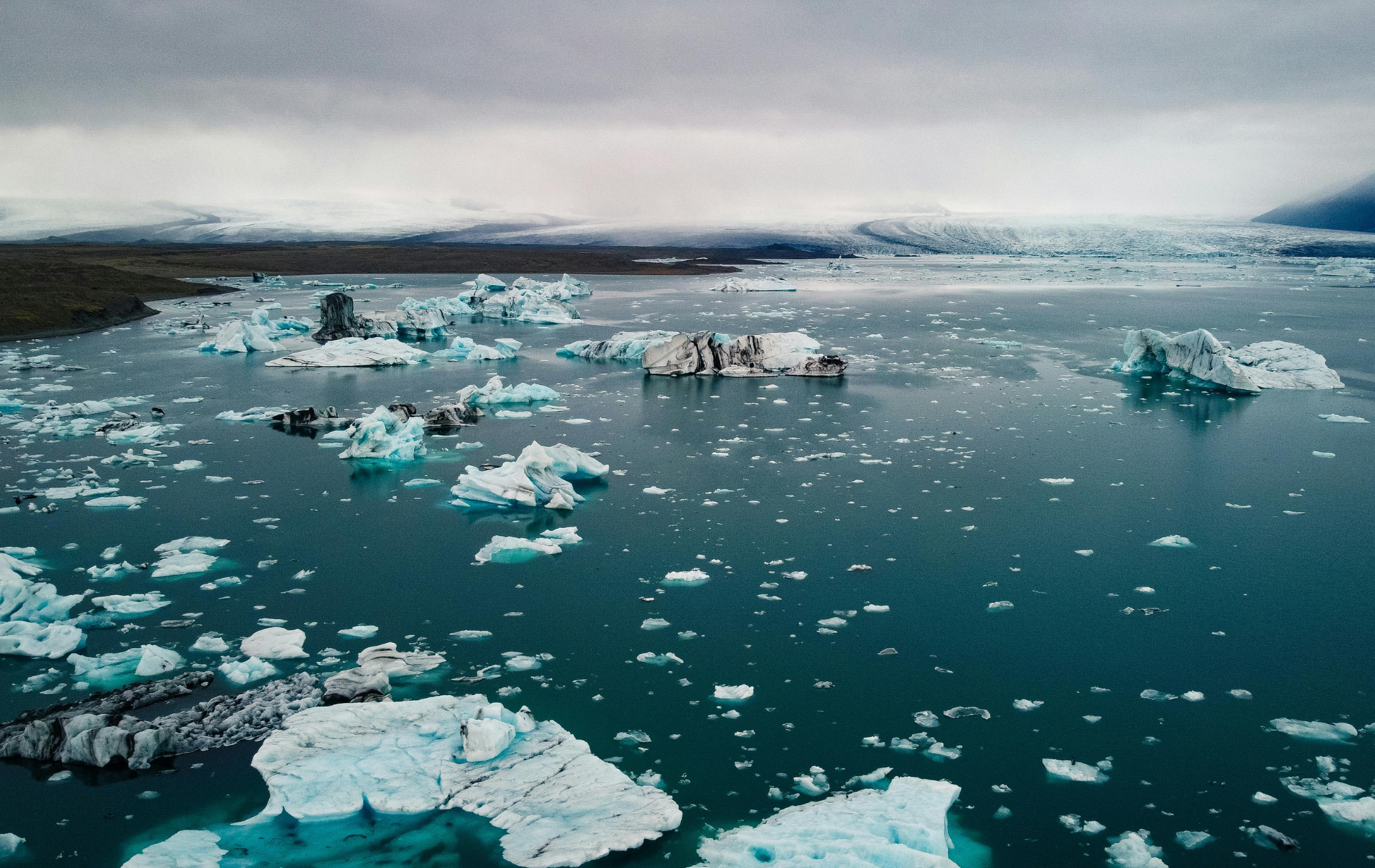
    Excerpt from theconversation.com “Observing Greenland from a helicopter,” one scientist wrote last year, “the main problem is one of comprehending scale. I thought we were skimming low over the waves of a fjord, before … realising what I suspected were floating shards of ice were in fact icebergs the size of office blocks. I thought we were hovering high in the sky over a featureless icy plane below, before bumping down gently onto ice only a few metres below us.” This is the view described by Durham glaciologist Tom Chudley, when writing about his research showing the Greenland ice sheet isn’t just melting – it’s falling apart. Chudley and his colleagues found crevasses are growing fast, channelling meltwater deep into the ice sheet, accelerating its slide into the ocean.

    Read more
    Cyclones get names but deadly heatwaves don’t. Should Australia personalise severe weather?
    Climate ActionFebruary 4, 2026

    Cyclones get names but deadly heatwaves don’t. Should Australia personalise severe weather?

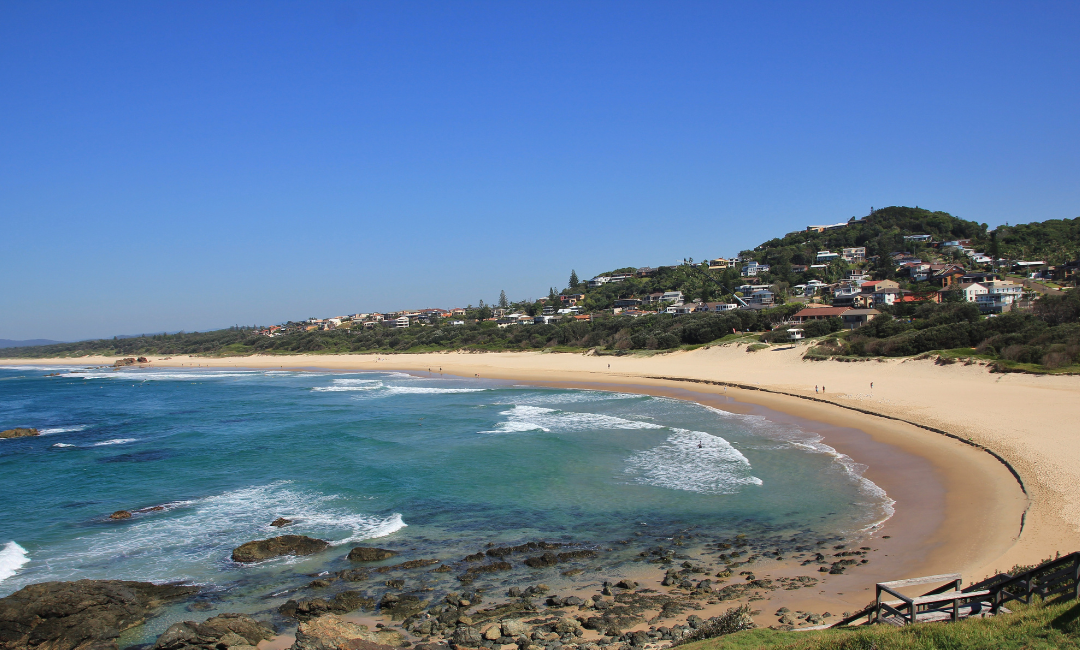
    Excerpt from theconversation.com Australia’s climate is changing rapidly due to rising global greenhouse gas emissions. Extreme weather events such as tropical cyclones, east coast low pressure systems, flash floods, droughts, bushfires, severe storms, and both land and marine heatwaves are becoming increasingly common, as the National Climate Risk Assessment makes clear. These can overwhelm emergency and medical services, damage infrastructure, and lead to deaths and morbidities. Yet only some extreme weather events receive names. Last November, for example, the Northern Territory was hit by Severe Tropical Cyclone Fina, while much of Australia was about to swelter through an unnamed heatwave.

    Read more
    Defending ambition in Belém: a Fijian negotiator’s reflection on COP30
    Climate ActionJanuary 25, 2026

    Defending ambition in Belém: a Fijian negotiator’s reflection on COP30

    Excerpt from islandsbusiness.com Photo credit: UNFCCC/Kiara Worths via islandsbusiness.com FOR Small Island Developing States (SIDS), climate change is not a distant or theoretical concern. It is already reshaping coastlines, undermining food security, and forcing communities to confront displacement. Fiji arrived in Belém for COP30 with a clear purpose: to defend ambition and protect the integrity of the 1.5°C goal. But for vulnerable countries, ambition is inseparable from delivery. Calls to accelerate mitigation or phase out fossil fuels have little meaning without predictable finance, accessible technology, and credible political commitment from those with the greatest responsibility and capacity to act. COP30 exposed a familiar and deeply troubling reality. Negotiations remained constrained by an entrenched divide between developed countries, reluctant to honour long-standing finance commitments, and major emerging economies unwilling to strengthen mitigation efforts. This framing, where mitigation is treated as a concession by the North and finance as a concession by the South, has become a convenient fiction. It allows both sides to claim grievance while the window for meaningful action continues to narrow. This dichotomy is fundamentally flawed. Finance is not separate from mitigation; it enables it. Developing countries cannot deliver ambitious emissions reductions without the means to do so. Treating these as competing priorities rather than interdependent imperatives undermines both climate outcomes and equity.

    Read more
    Polar bears are 'rewriting their DNA' to survive warming Arctic, study suggests
    Climate ActionJanuary 7, 2026

    Polar bears are 'rewriting their DNA' to survive warming Arctic, study suggests

    Excerpt from abcnews.go.com A new study from the University of East Anglia suggests that polar bears are undergoing rapid genetic changes, and scientists believe it's due to the impacts of climate change. “It’s kind of the first time that we believe we’ve seen a mammal system such as the polar bear, where temperature has been the lead cause, and environmental stress at increased temperature, is impacting their DNA, their genome in real time,” Alice Godden, the lead author of the study, told ABC News.

    Read more
    The Indian Ocean disaster is a climate tragedy — and needs more attention
    Climate ActionJanuary 7, 2026

    The Indian Ocean disaster is a climate tragedy — and needs more attention

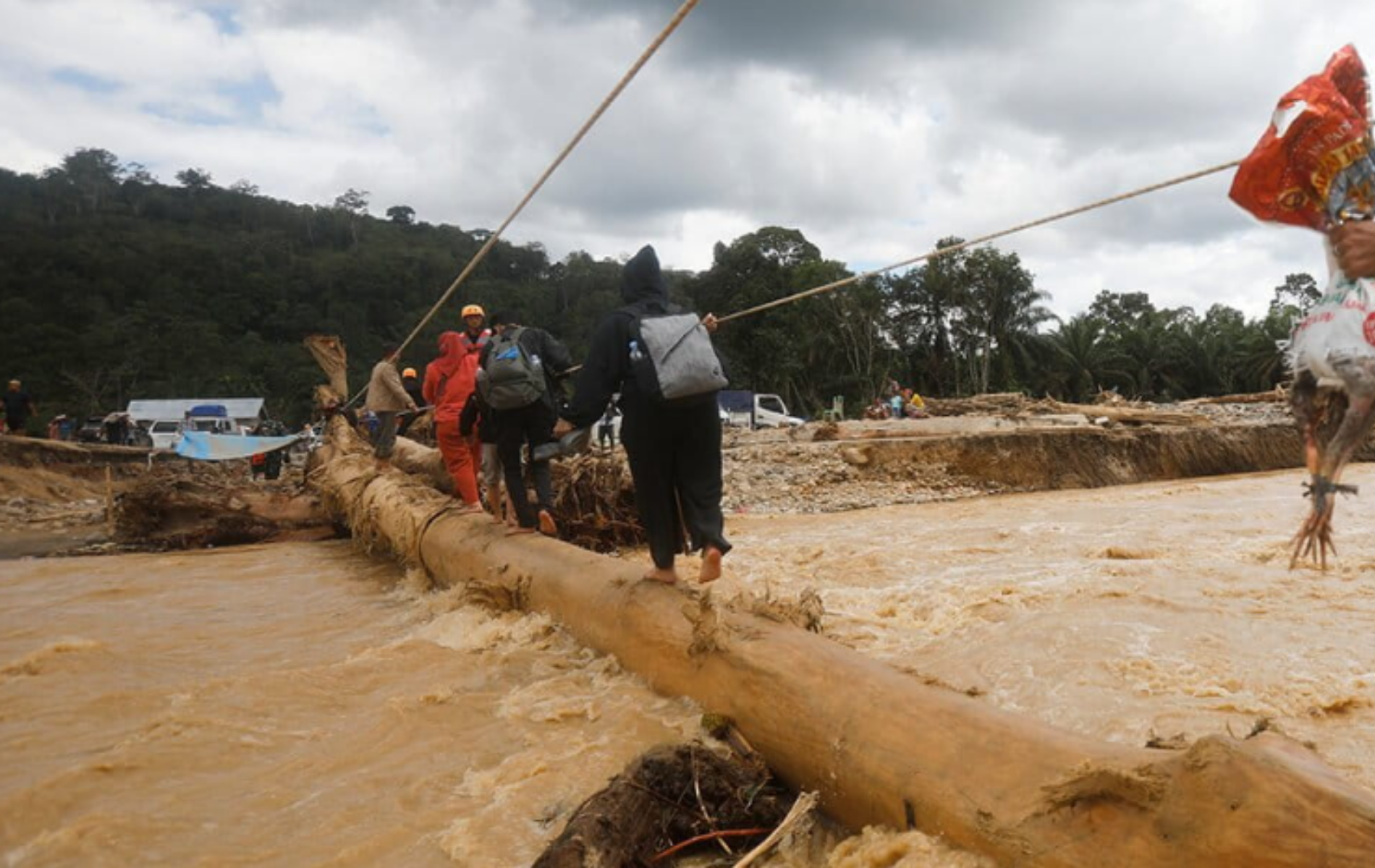
    Photo Credit: Hotli Simanjuntak/EPA/Shutterstock via nature.com Excerpt from nature.com In late November, three tropical cyclones — Senyar, Ditwah and Koto — devastated cities and villages in countries around the Indian Ocean. In Indonesia’s Sumatra, Malaysia, Vietnam, Thailand, India’s Andaman and Nicobar Islands, the Philippines and Sri Lanka, torrential rains, high winds, landslides and flash floods killed at least 1,000 people, buried homes beneath metres of mud and destroyed roads and bridges. The storms’ destructive scale is close to that of the 2004 Indian Ocean tsunami, as Muzakir Manaf, the governor of Aceh, Indonesia, said in a statement. However, the world has mostly overlooked this emergency. Millions of people have been displaced, and many are sick or starving, yet aid has been slow to arrive. Few people have recognized the cyclones’ unusual nature and what they herald for the world’s future.

    Read more
    Seychelles Tourism and Fisheries Race to Adapt to Climate Threats
    Climate ActionMay 21, 2026

    Seychelles Tourism and Fisheries Race to Adapt to Climate Threats

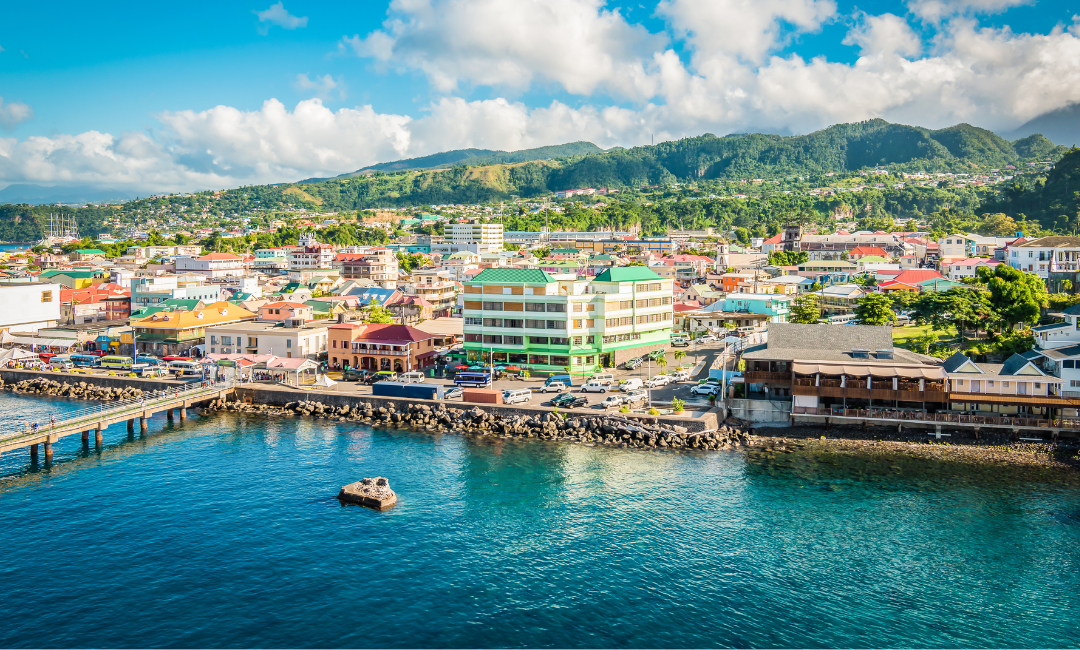
    Excerpt and Photo credit from thetraveler.org Seychelles, a high-income Indian Ocean archipelago built on beach tourism and tuna fisheries, is accelerating climate-focused investments as warming seas, stronger storms and coastal erosion threaten the foundations of its growth model. Tourism and Fisheries at the Frontline of a Warming Ocean Tourism and fisheries remain the twin pillars of Seychelles’ economy, underpinning jobs, export earnings and public revenue. Publicly available economic data indicate that visitor spending and tuna processing together account for a large share of gross domestic product and foreign exchange, leaving the country highly exposed to climate shocks in the marine environment.

    Read more