VIS 2026VIS 2026 — Virtual Island Summit|Also: GSIS 2027GSIS 2027
Island Innovation Logo
About
Services
The Network
Events
Content Library
Contact Us

Subscribe to our newsletter. By submitting, you agree to our Privacy Policy.

Island Innovation

Island Innovation works with governments, institutions, and partners worldwide to support island-led sustainable economic development.

We Support The UN Development Goals

SDG 9: Industry, Innovation and Infrastructure
SDG 11: Sustainable Cities and Communities
SDG 12: Responsible Consumption and Production
SDG 13: Climate Action
SDG 14: Life Below Water
SDG 17: Partnerships for the Goals

Explore

AboutServicesNetworkEvents

Content

ArticlesNewsCareers

Ready to Connect?

Join the island innovation community

Get in Touch

About

  • About us
  • Case Studies
  • FAQs
  • Press
  • Careers
  • Contact

Services

  • Services Overview
  • Public & Media Relations
  • Strategic Communications

Network

  • The Island Network
  • Academic Council
  • Newsletter

Events

  • Our Events
  • Watch Past Events

Content

  • All Content Library
  • Videos
  • Articles
  • News
Privacy PolicyTerms of ServiceContactManage email preferences

© 2025 Island Innovation. All rights reserved.

    News

    Curated stories and analysis from islands and sustainability leaders worldwide.

    Filter by Core Theme

    All ThemesCircular EconomyClimate ActionConnectivity & DigitizationCulture & CommunityEnergy & TransportGreen Finance & EconomyOcean & BiodiversityPolicy & GovernanceTourism & Remote WorkWater & Food
    Showing 9 of 520 news items in Climate Action
    The Indian Ocean disaster is a climate tragedy — and needs more attention
    Climate ActionJanuary 7, 2026

    The Indian Ocean disaster is a climate tragedy — and needs more attention

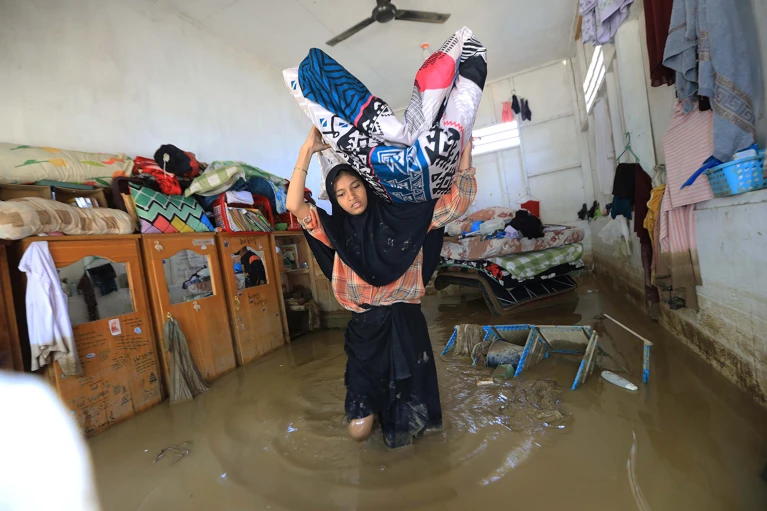
    Photo Credit: Hotli Simanjuntak/EPA/Shutterstock via nature.com Excerpt from nature.com In late November, three tropical cyclones — Senyar, Ditwah and Koto — devastated cities and villages in countries around the Indian Ocean. In Indonesia’s Sumatra, Malaysia, Vietnam, Thailand, India’s Andaman and Nicobar Islands, the Philippines and Sri Lanka, torrential rains, high winds, landslides and flash floods killed at least 1,000 people, buried homes beneath metres of mud and destroyed roads and bridges. The storms’ destructive scale is close to that of the 2004 Indian Ocean tsunami, as Muzakir Manaf, the governor of Aceh, Indonesia, said in a statement. However, the world has mostly overlooked this emergency. Millions of people have been displaced, and many are sick or starving, yet aid has been slow to arrive. Few people have recognized the cyclones’ unusual nature and what they herald for the world’s future.

    Read more
    12345678910
    Polar bears are 'rewriting their DNA' to survive warming Arctic, study suggests
    Climate ActionJanuary 7, 2026

    Polar bears are 'rewriting their DNA' to survive warming Arctic, study suggests

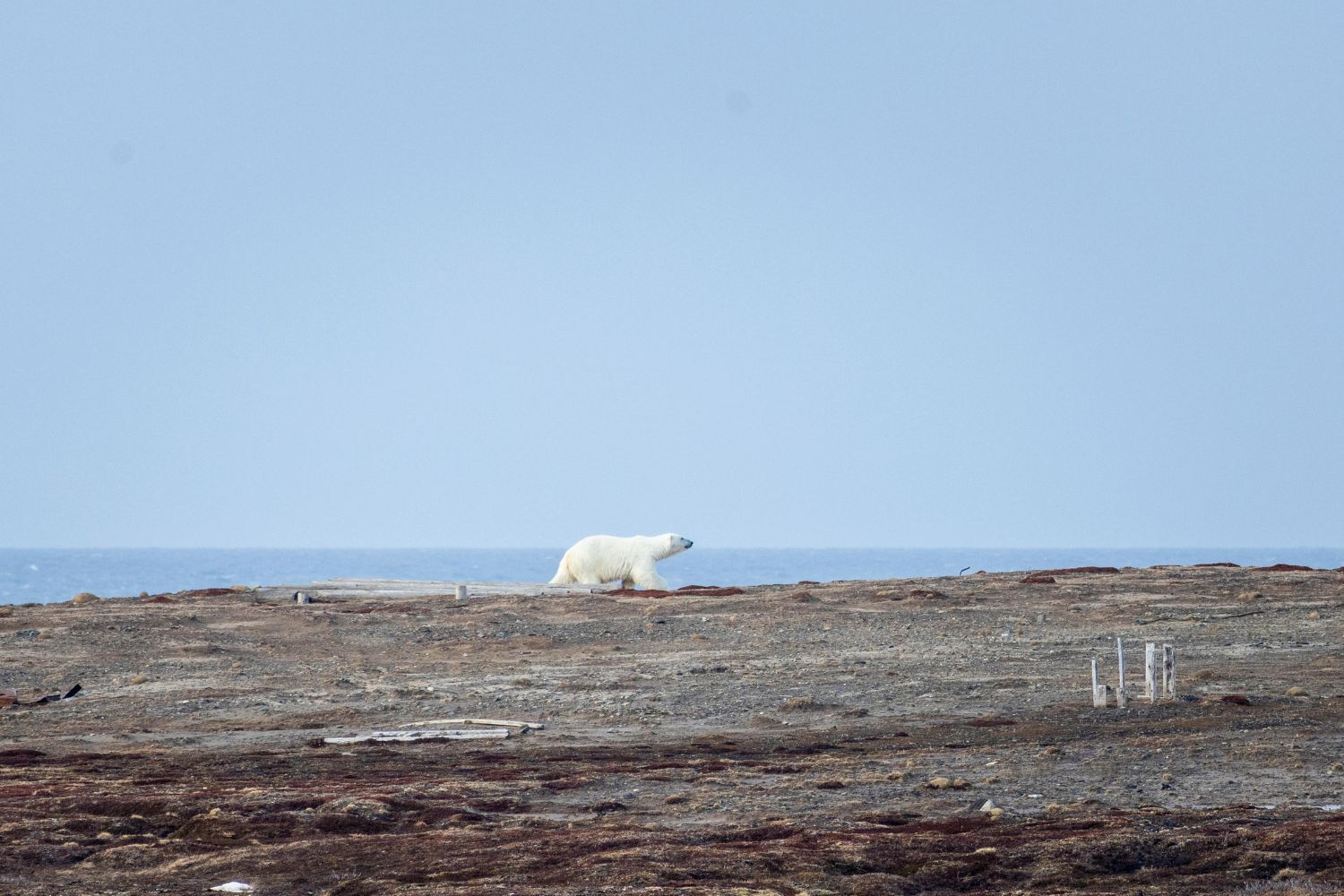
    Excerpt from abcnews.go.com A new study from the University of East Anglia suggests that polar bears are undergoing rapid genetic changes, and scientists believe it's due to the impacts of climate change. “It’s kind of the first time that we believe we’ve seen a mammal system such as the polar bear, where temperature has been the lead cause, and environmental stress at increased temperature, is impacting their DNA, their genome in real time,” Alice Godden, the lead author of the study, told ABC News.

    Read more
    IN FOCUS: Greenland’s Melting Ice Carries Warnings Far Beyond the Arctic
    Climate ActionOctober 6, 2026

    IN FOCUS: Greenland’s Melting Ice Carries Warnings Far Beyond the Arctic

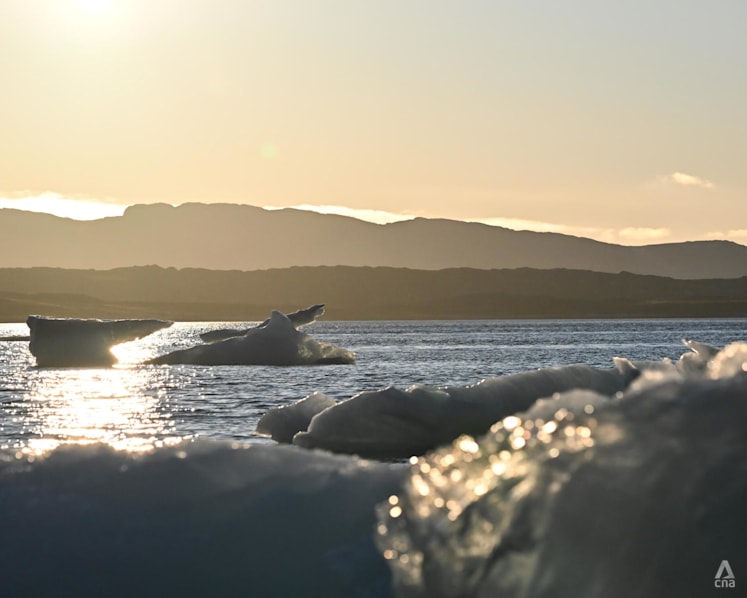
    From a distance, the village of Sarfannguit looks like a scattering of coloured candy placed upon a shelf. Hidden deep along a narrow, sheltered inlet, away from the humpback whales and ringed seals that ride the currents of the nutrient-rich Davis Strait, its colourful homes rise against the exposed granite slopes of the area. This settlement is one of dozens of small communities whose future is increasingly uncertain - caught between a changing climate, decades of population decline and the economic pull of Greenland's growing towns. The Arctic is warming around four times faster than the global average, transforming coastlines, ecosystems and weather patterns across the high north. From the highest vantage point in the settlement of about 100 people, wind whips across this landscape’s bare, smooth curves. Distant patches of Arctic wildflowers, dwarf shrubs and lichen break up the starkness of the rocky peninsula. An installed artwork of light-fracturing glass and steel called “Qaammat” - Greenlandic for “Moon” - sits here too, a tribute to the unbroken, intangible cultural heritage of the native Inuit people in this landscape. Hanserak Olsen has spent years of his life looking out across this view, beyond the small cemetery where his ancestors are buried and out to a place that for 4,000 years has been a central meeting place. For generations, families left Sarfannguit each summer to hunt inland towards Greenland's remarkable ice sheet. Olsen, a 69-year-old fisherman and boat guide who grew up here, wonders if that tradition will continue. He worries about the less predictable sea ice, the shifting fish stocks that mean his catch has been poor this year and the young people drawn away for education and employment.  Climate change is accelerating many of the pressures that Greenland's remote settlements were already facing. “Of course, we have the internet here, but there're a lot more interesting possibilities and more modern life in the towns,” he said, referring often to Sisimiut, about an hour’s boat ride away. Greenland's ice sheet is melting faster than almost anywhere on Earth and the world’s largest island will be “ground zero for the confluence” of the impacts of a hotter and wetter polar region, said Klaus Dodds, a professor of geopolitics at Middlesex University London and co-author of Unfrozen: The Fight for the Future of the Arctic. The changes here will ripple across the planet, experts say. Greenland's ice sheet - which covers over 80 per cent of its total land surface - is now one of the largest contributors to global sea-level rise. Under the Intergovernmental Panel on Climate Change’s (IPCC) highest emissions scenario, Greenland's ice sheet is projected to contribute around 13cm to global sea-level rise by 2100, with a likely range of 9cm to 18cm. That would have profound impacts on the world’s coastal cities. In Asia, the river deltas of the Mekong, Ayeyarwady and Chao Phraya, the low-lying megalopolises of Jakarta and Manila and vulnerable ports in Hong Kong, Singapore and Malaysia would all be highly exposed. “The key point is simple: what happens in Greenland does not stay in Greenland. It reaches the waterfronts, transport systems, homes, ports and water supplies of coastal cities across Asia,” said Benjamin Horton, the dean of the School of Energy and Environment at City University of Hong Kong. Asia is the world's most exposed region to sea-level rise because of the number of people living in low-elevation coastal zones, according to the IPCC, the United Nations’ scientific body on climate change. Around 70 per cent of the global population exposed to sea-level rise and land subsidence lives in just eight Asian countries, including Bangladesh, India, Indonesia, Thailand, Vietnam and the Philippines. Thirteen of the world's 20 coastal cities projected to suffer the highest flood losses by 2050 are in Asia. Among them are Bangkok, Ho Chi Minh City and Jakarta. “Greenland may feel remote, but it is directly connected to every coastline on Earth. This is not an abstract Arctic issue,” Horton said. The risks faced by coastal communities are expected to become at least 10 times greater this century because sea levels will continue to rise, based on the IPCC findings. And population and infrastructure exposure to such threats will continue increasing, especially in Southeast Asia. The greater global forces feel distant on the shores of Sarfannguit. But they are intimately tied. Olsen and others are living the local consequences of indelible change. GLOBAL COMPETITION As the ice melts, the Arctic is also emerging as a more heavily contested zone for the world’s most powerful geopolitical players eyeing new opportunities for critical mineral extraction, military influence and transport routes. “Greenland and other territories are caught in the crosshairs of great powers and their spherical ambitions,” Dodds said. United States President Donald Trump's attention on Greenland has already caused prolonged turbulence in the self-governing territory amid a concerted campaign to bring it under American control since he started his second term in January 2025. He has maintained a level of pressure on Greenland in recent weeks, telling a radio host in an interview in late July that it would be a safe bet that the US would be controlling Greenland before the end of his term in January 2029. Trump, a long-time climate sceptic, has also withdrawn the US from the Paris Agreement, leaving the world’s largest historical polluter outside the world's principal climate pact and unbound by global emissions reduction targets. As the planet warms and pressure on natural resources grows, Dodds believes the Arctic will become increasingly central to global competition over land, water and critical minerals. “All of which means that the Arctic will get caught up in explicit resource calculations,” he warned. Right now, there are very few active mining projects in Greenland, despite the perceived potential of unexploited mineral resources, including rare earths, graphite and lithium. China has repeatedly tried to invest in Greenlandic infrastructure and mining, but most major projects have not proceeded because of political and security concerns. “However, there is no doubt that more countries view the Arctic as a region where they should get involved with and the US is very concerned that China in particular is in danger of becoming a peer-to-peer competitor at some point this century,” Dodds said. The Arctic has long been an important domain for missile defence and submarines operating beneath the ice. Now, longer periods of open water - where the ocean remains free of sea ice - are expanding opportunities for seasonal patrols by naval vessels and coast guards. “(These operations) are generally more visible and play a role in signalling intent,” said Rebecca Pincus, senior fellow in the Transatlantic Security Program, German Marshall Fund of the United States. The US has increased its patrols in the Bering Sea and Arctic Ocean, with a stronger emphasis on monitoring Chinese and Russian vessels. Several American allies from the North Atlantic Treaty Organization (NATO) now also operate more frequently around Greenland. Russia remains a powerful Arctic player. In its northern territory, it has reopened Soviet-era Arctic bases, expanded deep-water ports and increased Arctic naval patrols with a modernised northern fleet. But as Pincus notes, operations remain seasonal and geographically limited, and the Arctic is still one of the world's most demanding environments in which to operate, whether for military, tourism or transport purposes. Dodds warned that due to climate change, the region is also becoming more unpredictable, more expensive and more hazardous to live and work in. “A warming Arctic is an Arctic that burns more. A wetter Arctic is one that floods more. And a warmer and wetter Arctic is one where infrastructure is more expensive to maintain,” he said. “Less sea ice does not mean no sea ice.” GRADUAL DOES NOT MEAN HARMLESS Under the midnight sun in Nuuk Fjord, floating bergy bits - medium-sized glacial ice chunks - crack and drip, splintering the silence as fresh water slowly enters the inlets around Greenland’s capital city. These are the summer runaways, echoes of glacier melt further inland. Waterfalls feed the fjord as well, cascading down onto the glass sheet below, as rainbows form on steep ancient rock. What looks slow and ancient is actually alarming. Scientists say that, especially since the 2000s, Greenland’s ice loss has accelerated as air and ocean temperatures and atmospheric carbon dioxide have risen. Glacier melt can be dramatic and destructive too. In late July, video captured the spectacular capsizing of a Titanic-size iceberg off the Greenland city of Ilulissat, a visual reminder of the immense forces at work along the island's coast. As the Arctic warms, more of the ice sheet melts at the surface, darker exposed ice absorbs more solar energy and outlet glaciers - channels of ice that flow out of an ice sheet - can retreat and discharge more water into the ocean, Horton said. Central Greenland has experienced around 1.5°C of warming since the mid-1990s, resulting in the highest temperatures there in more than a millennium. The outcome has accelerated ice melt. Satellite observations from the US' National Aeronautics and Space Administration (NASA) show that between 2002 and 2025, Greenland lost about 264 billion tonnes of ice per year, adding around 0.8mm per year to global sea levels. “The reason sea level rise can seem distant is that it is gradual. But gradual does not mean harmless,” Horton said.

    Read more
    How the Comoros is Taking Climate Action From Promise to Progress
    Climate ActionOctober 6, 2026

    How the Comoros is Taking Climate Action From Promise to Progress

    Like most small island nations, the Comoros faces complex challenges that impede its sustainable development. The volcanic archipelago has limited natural resources to harness and its location in the tropical southwest Indian Ocean leaves it exposed to powerful storms. The country’s economy — which heavily relies on agriculture and exports of a few key crops — remains fragile, limiting opportunities for citizens to escape severe hardship. The most recent data available suggests that 19 percent of the population in the Comoros is multidimensionally poor while an additional 19 percent is vulnerable to multidimensional poverty. Climate change is adding to these challenges, as extreme weather events become more frequent and more severe. In a country where most of the population depends on agriculture, fishing and natural resources, climate shocks have an immediate impact on livelihoods. Prolonged droughts, extreme rainfall, floods and sea level rise can cause failed harvests and loss of productive land, degrade marine and terrestrial ecosystems whose resources many depend on, and damage the infrastructure that keeps the economy functional Moreover, stronger storms are causing increasing levels of loss and damage. In the last decade alone, the country has been hit by two devastating cyclones — Cyclone Kenneth in 2019 and Cyclone Chido in 2024 — which have damaged infrastructure, destroyed crops and caused injuries and loss of life, with serious impacts on the economy. Cyclone Kenneth alone has affected more than 345,000 people, or 40 percent of the population, and caused damages worth 14 percent of the country’s GDP. Despite the challenges it faces and the limited resources at its disposal, the Government of the Union of the Comoros is working to protect hard-earned development gains and chart a course to a low-carbon, climate-resilient future. Building the climate policy architecture In response to the escalating climate crisis, the Comoros has been adopting new policies and strategies meant to prepare it for a more unpredictable future. In March 2026, the country submitted its revised Nationally Determined Contribution (NDC) to the United Nations Framework Convention on Climate Change (UNFCCC). Built on a solid analytical foundation that was developed over the years, the NDC proved that, despite its negligible historical greenhouse gas emissions, the country is committed to a deep decarbonization of its economy. As such, the NDC sets an overall goal of reducing emissions by at least 14 percent by 2035, using the national budget, and up to 57 percent, depending on the amount of international financial and technical support received. The Comoros plans to achieve this through expanded targets and measures in five major sectors: energy, agriculture, forestry and land use, waste and industrial processes. It also aims to become a carbon sink for the world, targeting a sequestration capacity of 1,437 kilotonnes of carbon dioxide equivalent by 2035. The Comoros has also prioritized adaptation in the new NDC, identifying five essential areas of action for increasing resilience, from forests and coastal zones to water, infrastructure and health. The country plans to restore 6,000 hectares of watersheds and build 50 micro-dams and reservoirs to ensure that the population has sustainable access to drinking water. It also looks to reforest 8,000 hectares of land and restore 1,000 hectares of mangroves and 600 hectares of corals to increase the sustainable management of land and marine ecosystems while also protecting biodiversity. Other planned adaptation measures aim to strengthen the resilience of buildings against climate shocks, increase the capacity of the health system to manage emerging public health concerns, and offer additional protections to the most at-risk populations. In line with this, the NDC also incorporates, for the first time, a social inclusion dimension, with a focus on women, youth and vulnerable groups. This improvement is a result of a participatory consultative process that helped anchor the NDC in the realities and priorities experienced by the people living on the islands. Under Climate Promise 2025, the UN System supported the Government of the Union of the Comoros in shaping and developing the NDC, offering expertise on key issues such as mitigation, adaptation, just transition and health, among others. UNDP led the coordination effort and provided technical and financial support, while also helping to organize consultations with key stakeholders and groups. This collaboration helped ensure that the NDC was designed from the outset as a strategic tool for mobilizing resources and partnerships. Given that the full implementation of the NDC is estimated to require about US$6.6 billion by 2030, UNDP is now supporting the Comoros in accessing new sources of climate finance. To support the country’s energy transition, UNDP and partners helped mobilize $44 million for the initial phase of building a geothermal power plant. In parallel, UNDP has intensified its engagement with vertical funds, contributing to the mobilization of nearly $20 million in 2025 and the expansion of the Green Climate Fund (GCF) pipeline to $69 million. The Comoros is also exploring its potential participation in international carbon markets, under Article 6 of the Paris Agreement. In this sense, the forestry and mangrove sectors could be major assets for the development of carbon credits and projects under the Reducing Emissions from Deforestation and Forest Degradation (REDD+) framework. The quality and richness of the NDC shows that a Small Island Developing State (SIDS) like the Comoros can raise climate ambition in a credible, inclusive and strategic way. The coming months and years will be decisive in transforming these plans into bankable projects and concrete benefits for the population.  Helping communities adapt to climate change impacts One key priority area of investment for the Comoros is climate change adaptation. The geological and geographical features of the country’s islands contribute significantly to its high vulnerability to climate change. The largest island, Grande Comore, is less than 1,200 square kilometres and has no permanent rivers, leaving it highly dependent on limited groundwater resources and rainfall harvesting. On the smaller islands, Anjouan and Mohéli, there are no aquifers and rivers that were once permanent are turning ephemeral, with some disappearing entirely. This leaves the country highly vulnerable to rainfall variability and intensity, which can result in either droughts and reduced groundwater recharge or flash floods that cause erosion and saltwater intrusion. As such, one of the most urgent needs in the Comoros is to increase the resilience of its water supply to the impacts of climate change. This aligns with the country’s goal to provide the entire population with reliable, climate-resilient water supplies by 2030. As part of this process, with support from UNDP and funding from GCF, the Comoros created a new Energy and Water Regulatory Agency tasked with improving the sustainable management of water resources by planning, monitoring and regulating the sector. The country also adopted a new regulatory framework for water governance to respond to emerging challenges posed by climate change impacts and ensure a more equitable and gender-responsive allocation of water resources. UNDP has also helped 27 national, regional and local institutions and civil society organizations to identify and adopt adaptation solutions that increase the resilience of water systems, while training members of community water management committees to better plan, maintain and service hydraulic infrastructure. In parallel, with funding from the GCF, UNDP has been commissioning climate-resilient hydraulic infrastructure — including boreholes, water treatment plants, reservoirs and distribution networks — in more than 50 localities across the islands. This new infrastructure was developed with strong community engagement and has helped strengthen climate-resilient water supply for more than 230,000 people. Many in the local communities have taken on roles to ensure the long-term maintenance and upkeep of this crucial infrastructure, on which local agriculture also depends. Increasing the climate resilience of the agricultural sector is another key priority for the Comoros. Reducing climate risk in agriculture helps ensure food security by increasing access to better quality, locally produced food and protects revenues from key export commodities such as vanilla, ylang-ylang and cloves. With funding from the Least Developed Countries Fund (LDCF), managed by the Global Environment Facility (GEF), UNDP is supporting the country to protect agricultural value chains vulnerable to climate change impacts by investing in climate-smart agricultural practices and improved access to knowledge and training. These improvements are helping safeguard the livelihoods of many Comorian smallholders and, by the end of the project, are expected to increase the resilience of over 11 percent of the country’s population. With funding from the GEF, UNDP is also helping eight Rural Centres for Economic Development across the Comoros to improve the climate resilience of local agricultural production by adopting climate-resilient varieties for key crops like bananas and strengthening the local production of high-quality seedlings. In parallel, farmers are receiving training on how to increase both yields and the climate resilience of their production systems through agroecological practices such as sustainable soil management, composting and the optimization of water use. Interventions such as these contribute to the structural transformation of the agricultural system on the islands by combining food security, rural development, climate adaptation and community governance. Reducing risks also depends on climate information and early warning systems. With funding from GCF, UNDP has supported the Technical Directorate of Meteorology (DTM) to strengthen its capacities for acquiring, processing and managing reliable climate and hydrological data. The modernization of the hydrometeorological network is helping authorities to anticipate extreme weather events and make informed decisions pertaining to disaster risk management, agricultural adaptation and land-use planning. It is also crucial for identifying and monitoring the vectors of climate-sensitive diseases such as malaria or cholera. In this context, with funding from GCF, UNDP has helped establish a national water quality control laboratory at the University of the Comoros, consolidating national capacities for monitoring and preventing water-related health risks.  Reducing risks from climate hazards Despite recent advancements, the Comoros remains vulnerable to climate hazards due to its limited governance, inadequate infrastructure and accelerated degradation of natural ecosystems. Digital tools that integrate geolocation and emergency communications are a critical part of disaster risk management, enhancing coordination between alert centres and teams in the field. They support authorities to improve their risk knowledge and make decisions about which interventions to prioritize. This was evident during Cyclone Chido in December 2024, when national institutions were severely tested by widespread damage. With funding from the GEF, UNDP provided immediate support to the emergency response by supporting the deployment of a data collection tool which facilitated the real-time transmission of field data. By providing a rapid needs assessment on the ground, the tool enabled a reactive and effective planning of humanitarian interventions. UNDP and the GEF have also helped the Central Bank of the Comoros strengthen the legal and regulatory framework of the insurance sector, in collaboration with the Ministry of Finance and the General Directorate of Civil Security. This laid the foundation for the launch of the Insurance and Risk Finance Facility in the Comoros, whose aim is to develop innovative insurance products, adapted to local realities and the country's main economic sectors, and that increase protections to the most vulnerable groups. Furthermore, in collaboration with the United Nations Office for Disaster Risk Reduction (UNDRR) and funding from the GEF, UNDP supported the country to update the National Strategy for Disaster Risk Reduction 2024-2030, which now constitutes a national roadmap. This document played a catalytic role in mobilizing external financing, from institutions like the World Bank and the African Development Bank (AfDB) for measures related to preparedness, prevention and rapid response. These interventions, which combine institutional reforms, capacity-building, technological solutions and innovative financial mechanisms, help the Comoros strengthen its risk governance in a systemic and inclusive way. Investing in the sustainable energy transition Like many SIDS, the Comoros is heavily dependent on fossil fuel imports for its energy needs, including for electricity production through diesel generators. While electricity access has increased from 46 percent in 2017 to 71 percent in 2025, partially through a rise in renewable energy generation, the extensive use of fossil fuels means that 60 percent of the country’s greenhouse gas emissions come from the energy sector. A sustainable energy transition is therefore at the heart of the island nation’s climate change mitigation strategy and its long-term development. To create the necessary conditions for investments in renewable energy, in 2023, the Comoros adopted a new Electricity Code which strengthens the national legal framework for the sustainable energy transition. To support the application of the new code, specific decrees for solar minigrids, wind turbines and geothermal and hydroelectrical power plants have been developed and are currently being validated by the government. A key outcome of Comoros energy transition is that it can achieve energy sovereignty and security. To support these ends, a vital intervention funded by the GEF focused on harnessing the country’s geothermal resources. An exploratory mapping, using high-precision geoscience equipment, identified potential favourable conditions for exploiting high-temperature geothermal energy at the Karthala volcano for power generation.A key intervention funded by the GEF has focused on harnessing the country’s geothermal resources. An exploratory mapping, using high-precision geoscience equipment, identified potential favourable conditions for exploiting high-temperature geothermal energy at the Karthala volcano for power generation. Taking this opportunity forward, the country raised resources from the African Development Bank, the GEF and, potentially, the African Union, for the development of a 15 MW geothermal power plant. The project is currently in the exploration and development phase. Through the Platform for Investment Support and Technical Assistance (PISTA), funded by the Government of Italy, UNDP is providing additional technical and institutional support to make the geothermal power plant bankable and attractive to investors. One aspect of this work is helping to further de-risk the project through additional studies and analyses and by strengthening the capacities of the Geological Bureau, the national institution responsible for geothermal resources. Importantly, PISTA is helping connect the project with potential investors and development finance institutions for the post-exploration phase. UNDP is also supporting the expansion of distributed renewable energy solutions on the islands. Through the Africa Minigrids Program (AMP), funded by the GEF, UNDP identified and is testing three models of distributed solar power generation: a multifunctional solar platform with battery storage on Grande Comore, a standard minigrid in Anjouan, and an isolated minigrid, interconnectable to the national grid, in Mohéli. Despite using different technological approaches adapted to island specificities, all three models integrate inclusive governance mechanisms that ensure women and young people can participate in and benefit from the expansion of renewable energy. In addition, the AMP supported a decree establishing regulations for renewable energy self-production and is helping to introduce tariff mechanisms, capital expenditure subsidies and derisking strategies for the private sector that will further incentivize the adoption of solar power in the country.

    Read more
    How women farmers are helping elephants and forests in a Sumatran national park
    Climate ActionSeptember 28, 2026

    How women farmers are helping elephants and forests in a Sumatran national park

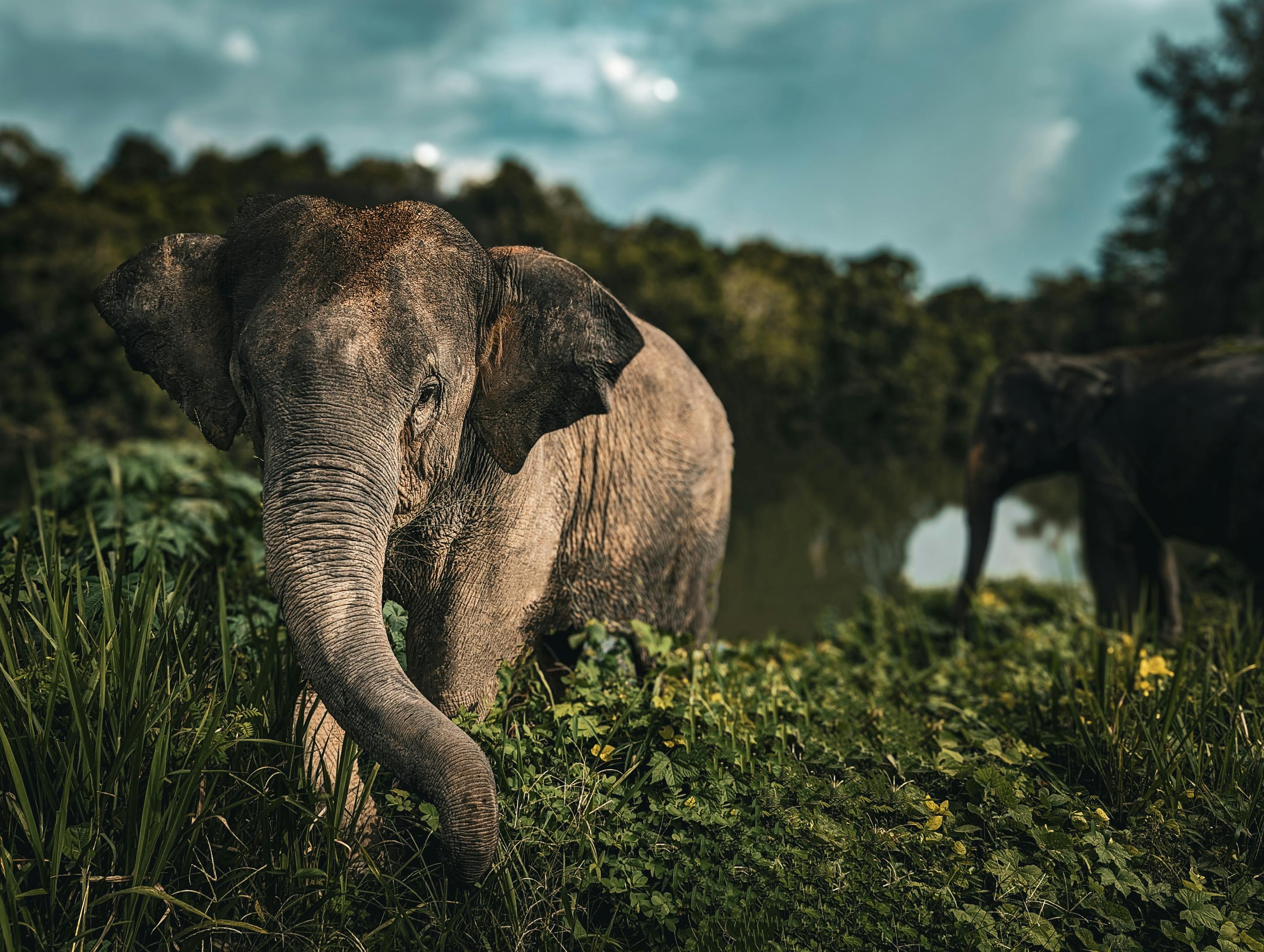
    Tesso Nilo National Park, located on the Indonesian island of Sumatra, often makes headlines due to human-wildlife conflict — a byproduct of illegal encroachment and deforestation by oil palm plantations. However, there is a ray of hope, thanks to female farmers who live in a buffer zone of the national park. In the village of Lubuk Kembang Bunga, in the buffer zone next to the park, women are leading an initiative to plant fruit trees that both serve a conservation purpose and provide extra income. To prevent elephants from destroying their fruit plantations, the villagers plant citrus trees, which repel the pachyderms. Elsewhere, they also plant fruits beloved by these large animals, such as jackfruit, its cousin cempedak, and stink beans, known in Indonesian as petai. Ernita, a 33-year-old farmer, said she can now breathe easy after planting citrus trees on the perimeter of her oil palm farm. “Before we had the citrus trees, elephants always ate our oil palm fruits,” she told Mongabay Indonesia. “We had to replant the trees four or five times … Praise be to God, since we planted the citrus trees, the elephants haven’t eaten our oil palm fruits.” Ernita’s farm lies just outside Tesso Nilo, so she can grow various crops, including oil palm. But other parts of Lubuk Kembang Bunga village fall within the park’s borders, where, technically at least, oil palm cultivation isn’t permitted. Officially, Tesso Nilo National Park, in Riau province, spans 81,793 hectares (202,115 acres) — an area larger than New York City. However, more than three-quarters of its old-growth forest has been lost since 2009, largely to smallholder oil palm farms, according to remote-sensing platform Global Nature Watch (previously known as Global Forest Watch). The remaining forest area is estimated at only around 13,000 hectares (about 32,000 acres), and even that consists only of partial stands of natural forest. In a radical attempt to regain control of the protected area, last year, a forestry task force began relocating hundreds of farming families living inside the park. However, the efforts sparked protests, occasionally violent, from the residents, as well as concerns about human rights abuses. Yet even as it shrinks, the lowland national park remains home to the largest population of Sumatran elephants (Elephas maximus sumatranus) in the province of Riau. The loss of habitat has had a detrimental effect on the critically endangered subspecies. In 2007, the forestry ministry estimated there were 2,400-2,800 Sumatran elephants left in the wild. By 2025, there were just 1,100, according to the minister. In Tesso Nilo, wild elephant numbers dropped from 200 in 2004 to 150 in November 2025, according to park authorities. Without enough food and habitat, the giant animals are forced to venture outside the park, where they sometimes clash with villagers. Before planting citrus trees, Ernita and other residents used noise-making carbide cannons and firecrackers, the same method deployed by government patrols, to shoo elephants away from their farms. Elsewhere, some residents resort to more violent methods such as poison and electric fences, which have killed scores of animals. Ernita has been using the more animal-friendly approach for the past three years. She and her husband, Sumardi, have planted a “fence” of about 600 citrus trees around their 1.5-hectare (3.7-acre) oil palm farm. The trees are spaced about 1.5 meters (5 feet) apart, creating an agroforestry plot — a landscape where agriculture and trees combine. The couple grow five types of citrus: orange, calamansi, lemon, key lime, and kaffir lime. Not only does the tangy smell of the plants drive away elephants, but the fruits can also be consumed at home or sold for extra income. Win-win solution The idea was first put forward by the Tesso Nilo National Park Foundation (YTNTN), a community-based organization dedicated to supporting the management of the national park, especially key wildlife like the Sumatran elephant. Yuliantony, executive director of YTNTN, said the idea was inspired by the presence of citrus trees in some areas in and around the national park. They noticed that elephants never ate the citrus fruits or damaged the groves there. Long before planting citrus trees, Ernita observed something similar. She noticed that elephants steered clear of her neighbors’ citrus orchards. “Maybe they don’t like the smell and are afraid of the thorns,” she said. To introduce the wildlife-friendly initiative, YTNTN collaborated with the Batang Nilo Women’s Forest Farmer Group (KTH Perbani), where Ernita is a member. YTNTN also encouraged the women to provide feeding grounds for elephants, advising them to plant jackfruit, cempedak, petai and bananas in forested areas. Yuliantony called this approach a win-win solution for both the local community and the elephants. Women are often overlooked in conservation efforts, although they frequently have in-depth knowledge of local ecology and how to manage resources wisely, as they collect water, firewood and other forest products, Yuliantony said. “That is why it is important to involve women in the conservation and management of natural resources,” he said. Women’s empowerment Since it was established around 10 years ago, KTH Perbani, or simply Perbani, has played an important role in protecting Tesso Nilo. A research paper by University of Riau scholars called the buffer zone “a space of ecofeminism.” The paper lists the range of conservation activities carried out by the women’s group: “conduct participatory forest patrols to prevent illegal logging and fires, initiate the replanting of native forest species, and manage water sources, medicinal plants, and local seedlings as strategies to sustain ecosystems and community health.” Perbani’s initiatives show that “women are not ‘victims’ of conflicts with elephants who need to be saved but creative problem solvers,” lead author Mita Rosaliza told Mongabay in an email. “Perbani also demonstrates politics of care, using a different approach to environmental protection,” the sociologist said. The women’s group also seeks to empower women socially and economically. It offers monthly gender equality classes to its more than 30 members, ranging from leadership skills to public speaking. These classes are credited with helping several members get elected to community and government positions, from neighborhood unit heads to regional lawmakers. It set up a savings-and-loan scheme, allowing members to borrow money to pay for home repairs, children’s school expenses, and farming costs. Herlia Santi, director of the Riau Center for Women’s Resource Development (PPSW), an NGO that supports and advises Perbani, said economic empowerment is crucial, pointing out that the savings-and-loan unit also ensures Perbani can continue to operate and fund its activities without relying on external parties. In addition, Perbani raises seedlings of multiple plants — ranging from native trees such as kulim (Scorodocarpus borneensis) and pulai (Alstonia scholaris) to fruit trees like rambutan and cempedak — not only to use them to rehabilitate forests but also to sell them to other villagers or companies, giving the group a source of income. Perbani chair Rena Sandriani said the group had sold a total of 18,000 seedlings since 2019.

    Read more
    Nature-based Solutions in Small Island Developing States Can Generate “Triple Wins" for Climate Adaptation, Biodiversity, and People
    Climate ActionSeptember 22, 2026

    Nature-based Solutions in Small Island Developing States Can Generate “Triple Wins" for Climate Adaptation, Biodiversity, and People

    Small Island Developing States (SIDS) are among the countries most vulnerable to climate change, facing escalating risks from sea-level rise, storms, coastal erosion, ecosystem degradation, and threats to food and water security. Nature-based solutions (NbS) are increasingly recognised as a key approach for climate adaptation because they can simultaneously reduce climate risks, support biodiversity, and strengthen livelihoods and local economies. This positions NbS as a strategic approach for enabling synergistic progress across multiple international policy agendas, including the Paris Agreement, the Kunming-Montreal Global Biodiversity Framework, the Sustainable Development Goals, and the Antigua and Barbuda Agenda for SIDS (ABAS). This policy brief synthesises evidence from a systematic review of 49 studies reporting 53 NbS interventions across 26 SIDS. The underlying research draws on evidence from UN-defined SIDS, comprising 39 UN Member States and 18 Associate Members across the Caribbean, Pacific, Atlantic, Indian Ocean, and South China Sea regions. Most of these States are members of the Organisation of African, Caribbean and Pacific States (OACPS). As such, the findings presented in this brief are broadly applicable to OACPS SIDS while also drawing on lessons and experiences from the wider SIDS community. Key Findings › The majority of NbS interventions reported positive climate adaptation outcomes. However, many studies lacked robust evidence frameworks. › NbS were reported to deliver “triple wins” for climate, biodiversity, and people, supporting livelihoods, food security, and local economies. › Evidence is heavily concentrated in terrestrial systems, while coastal and marine NbS remain underrepresented despite growing coastal climate risks in SIDS. › Formal economic appraisals and private sector involvement in NbS implementation were rare. › Equity considerations, local ownership, and distributional impacts were often poorly reported. › More than half of SIDS were absent from the peer-reviewed evidence base. Policy Implications › NbS offer a core implementation strategy for the ABAS framework by advancing climate adaptation, biodiversity conservation, and sustainable development objectives simultaneously in SIDS. › Strengthening the evidence base through baselines, counterfactuals, and long-term monitoring is critical for informed adaptation planning and investment decisions. › Coastal and marine NbS should be prioritized within research, monitoring, and assessment efforts given the high exposure of SIDS to coastal climate risks. › Robust economic evaluation and appropriate private sector engagement are necessary for greater adaptation investment and implementation › Equity, justice, and local leadership should be treated as core components of effective NbS implementation. › Greater support for SIDS-led research and knowledge-sharing is needed to strengthen the representativeness, accessibility, and relevance of the NbS evidence base.

    Read more
    Seychelles Tourism and Fisheries Race to Adapt to Climate Threats
    Climate ActionMay 21, 2026

    Seychelles Tourism and Fisheries Race to Adapt to Climate Threats

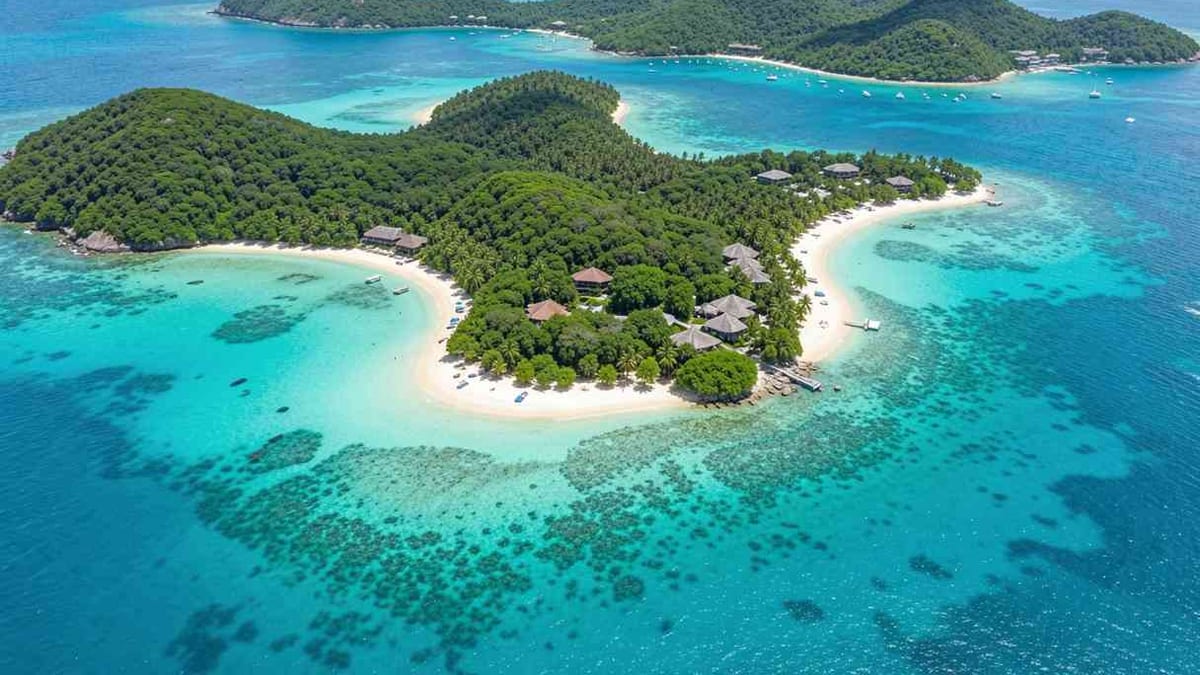
    Excerpt and Photo credit from thetraveler.org Seychelles, a high-income Indian Ocean archipelago built on beach tourism and tuna fisheries, is accelerating climate-focused investments as warming seas, stronger storms and coastal erosion threaten the foundations of its growth model. Tourism and Fisheries at the Frontline of a Warming Ocean Tourism and fisheries remain the twin pillars of Seychelles’ economy, underpinning jobs, export earnings and public revenue. Publicly available economic data indicate that visitor spending and tuna processing together account for a large share of gross domestic product and foreign exchange, leaving the country highly exposed to climate shocks in the marine environment.

    Read more
    Looking ahead to COP31: ensuring Pacific and island voices are heard
    Climate ActionDecember 15, 2025

    Looking ahead to COP31: ensuring Pacific and island voices are heard

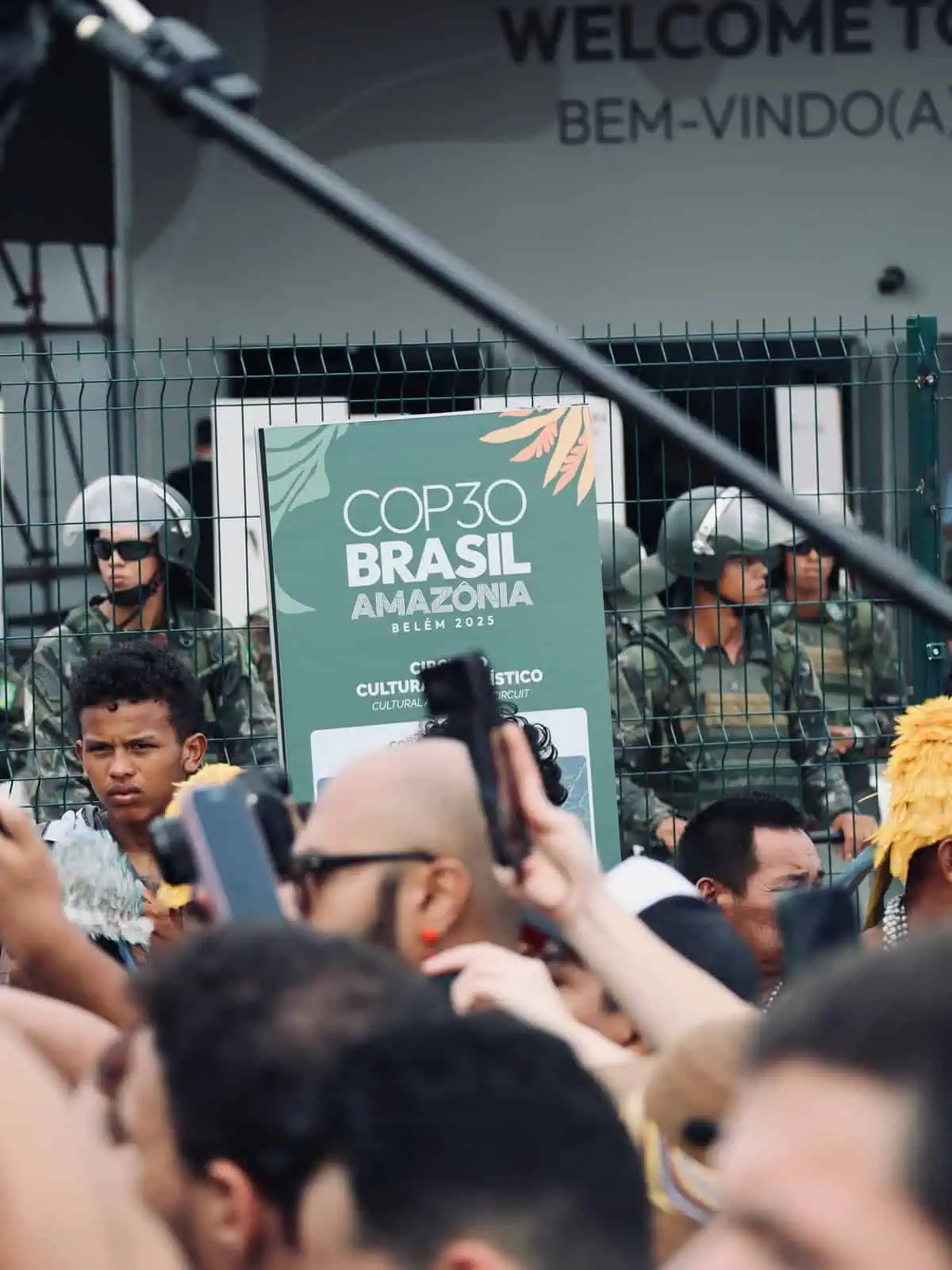
    Excerpt from islandsbusiness.com PACIFIC leaders and representatives of overseas countries and territories are rushing to ensure that their voices are not pushed to the margins again. Regional governments and organisations have emerged from COP30 in Belem, Brazil facing the reality that their voices remain largely unheard, their concerns unrecognized by larger, more powerful nations. The region has started to pivot from negotiation to delivery after COP30, fully aware of the loneliness they face on the frontline of rising seas and intensifying storms.

    Read more
    Massive hidden waves are rapidly melting Greenland’s glaciers
    Climate ActionDecember 8, 2025

    Massive hidden waves are rapidly melting Greenland’s glaciers

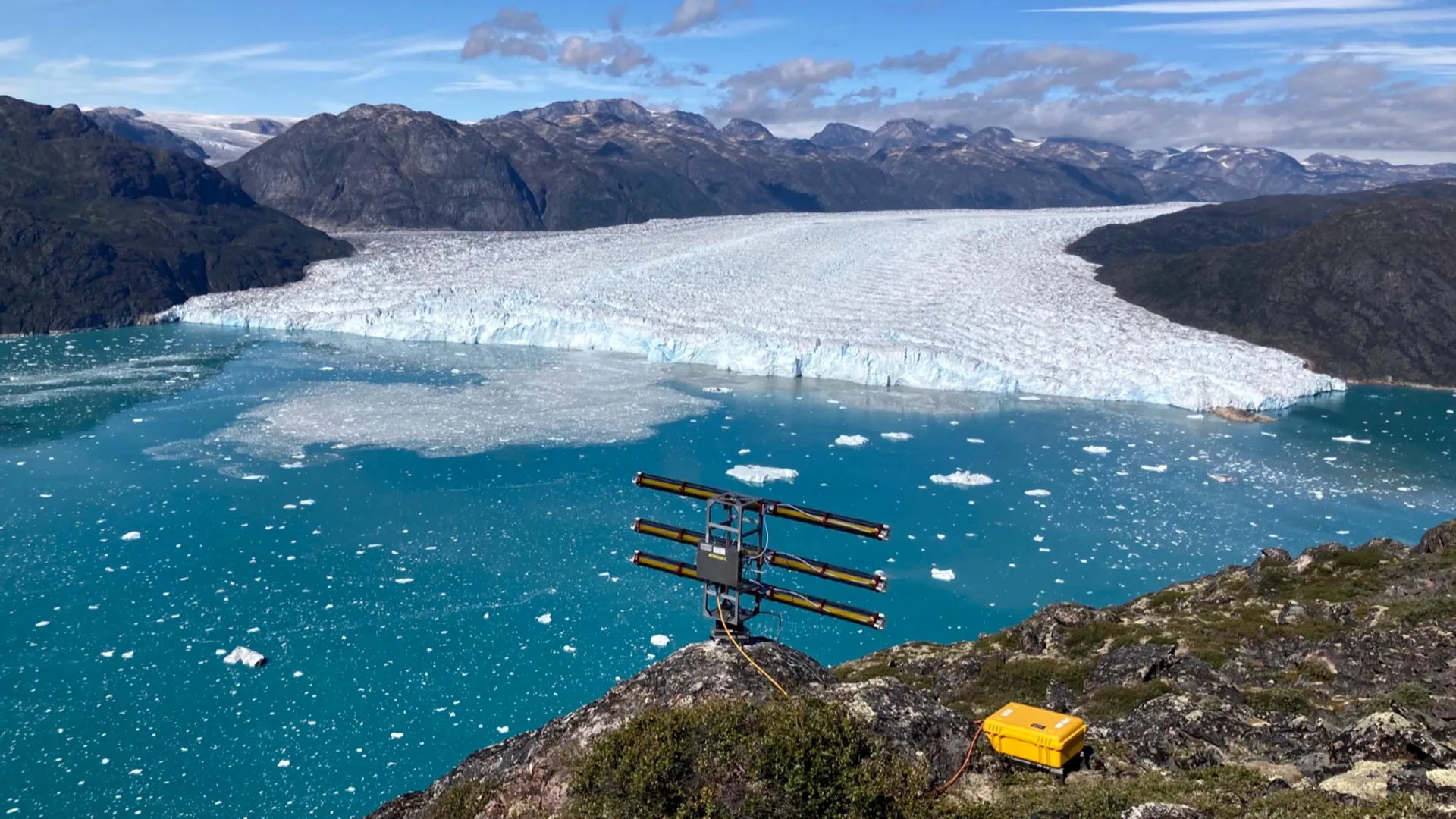
    Photo credit: Andreas Vieli, University of Zurich via sciencedaily.com Excerpt from sciencedaily.com Researchers in Greenland used a 10-kilometer fiber-optic cable to track how iceberg calving stirs up warm seawater. The resulting surface tsunamis and massive hidden underwater waves intensify melting at the glacier face. This powerful mixing effect accelerates ice loss far more than previously understood. The work highlights how fragile the Greenland ice system has become as temperatures rise.

    Read more