VIS 2026VIS 2026 — Virtual Island Summit|Also: GSIS 2027GSIS 2027
Island Innovation Logo
About
Services
The Network
Events
Content Library
Contact Us

Subscribe to our newsletter. By submitting, you agree to our Privacy Policy.

Island Innovation

Island Innovation works with governments, institutions, and partners worldwide to support island-led sustainable economic development.

We Support The UN Development Goals

SDG 9: Industry, Innovation and Infrastructure
SDG 11: Sustainable Cities and Communities
SDG 12: Responsible Consumption and Production
SDG 13: Climate Action
SDG 14: Life Below Water
SDG 17: Partnerships for the Goals

Explore

AboutServicesNetworkEvents

Content

ArticlesNewsCareers

Ready to Connect?

Join the island innovation community

Get in Touch

About

  • About us
  • Case Studies
  • FAQs
  • Press
  • Careers
  • Contact

Services

  • Services Overview
  • Public & Media Relations
  • Strategic Communications

Network

  • The Island Network
  • Academic Council
  • Newsletter

Events

  • Our Events
  • Watch Past Events

Content

  • All Content Library
  • Videos
  • Articles
  • News
Privacy PolicyTerms of ServiceContactManage email preferences

© 2025 Island Innovation. All rights reserved.

    News

    Curated stories and analysis from islands and sustainability leaders worldwide.

    Filter by Core Theme

    All ThemesCircular EconomyClimate ActionConnectivity & DigitizationCulture & CommunityEnergy & TransportGreen Finance & EconomyOcean & BiodiversityPolicy & GovernanceTourism & Remote WorkWater & Food
    Showing 9 of 130 news items in Connectivity & Digitization
    Tokelauan Atoll Becomes Temporary Global Comms Hub
    Connectivity & DigitizationSeptember 17, 2026

    Tokelauan Atoll Becomes Temporary Global Comms Hub

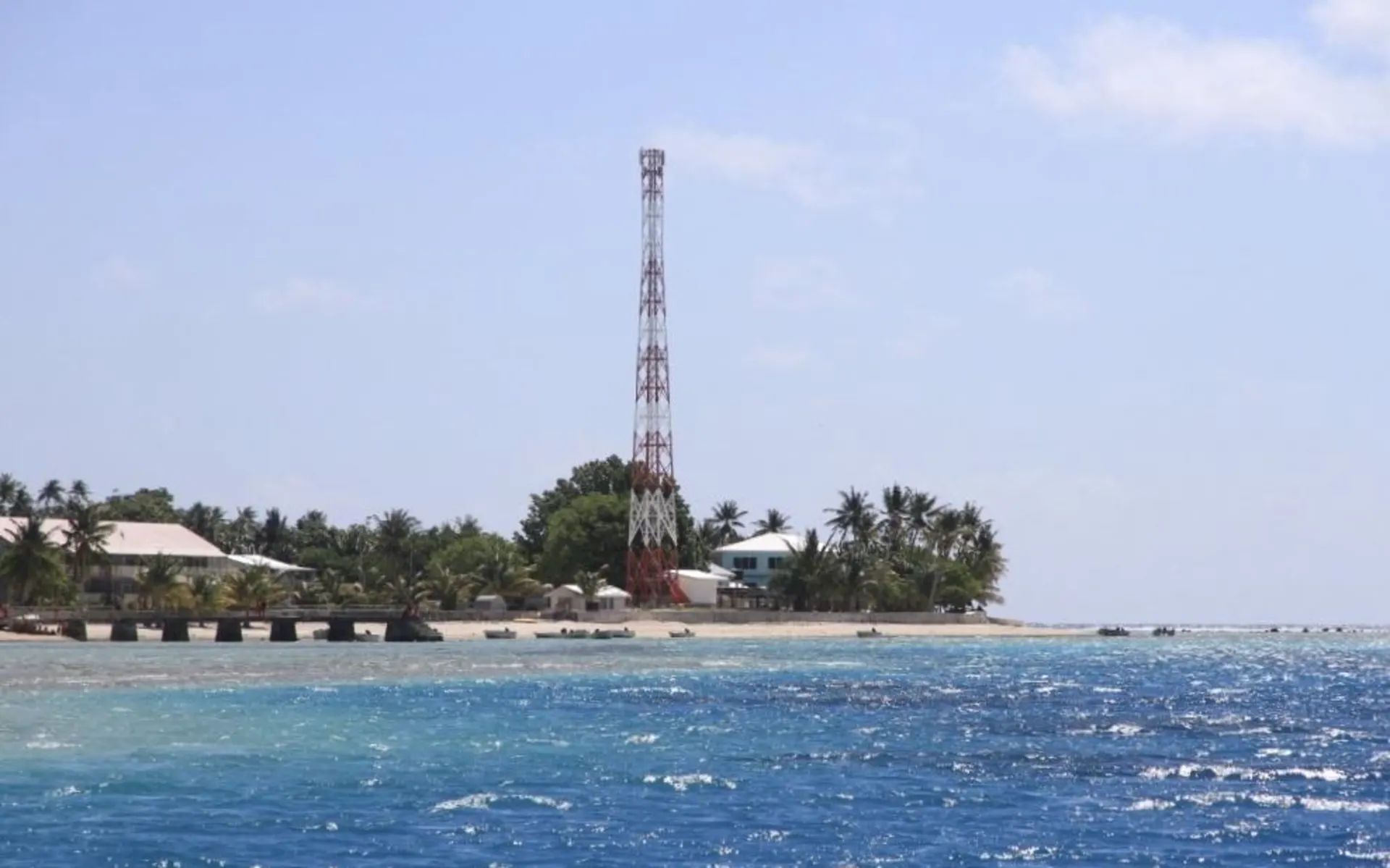
    For two weeks in November the remote Tokelauan atoll of Fakaofo will become a global communications hub. The remote Tokelau atoll of Fakaofo is 3,380 to 3,790 kilometres northeast of New Zealand - the number of people who live on Fakaofo is just over 470. However, this tiny dot in the Pacific is one of amateur radio's most sought-after locations, and for two weeks in November will become a global communications hub. In amateur radio, "DX" comes from telegraph shorthand: "D" for distance and "X" for the unknown or distant. For about two weeks in November, DX enthusiasts from the Perseverance DX Group and the Western Washington DX Club will set up temporary stations on Fakaofo, giving radio operators around the world a rare chance to make contact with Tokelau. Tokelau's project coordinator, Aleki Silao, said the idea for the project came about following a request in 2024 from a group who were keen to travel to Tokelau, in particular Nukunonu, to link up with colleagues around the world through shortwave radio. However, Fakaofo was selected because of its greater remoteness and the challenge that connecting it to the world would pose. "And that's why this group expressed a special interest to bring their know-how and technology to Fakaofo for two weeks," Silao explained. Knowledge sharing The Fakaofo team plans to operate several stations from the 160-to-6-metre amateur bands using voice, Morse code and digital modes. When asked how the atoll will benefit from this project, Silao said it would be on numerous fronts. "They have agreed to a number of things, training to pass on their knowledge in terms of this technology, furthermore they have offered to give twenty laptops through which Fakaofo may set up some internet cafes or even how the locals can communicate with the outside world." For operators around the world, a confirmed contact with Tokelau is a prized achievement. For Fakaofo, that global interest creates an unusual opportunity to exchange access and welcome for equipment, learning and enduring relationships.
    12345678910
    Read more
    Digital Hospital: Connecting Care Across Nine Islands
    Connectivity & DigitizationSeptember 3, 2026

    Digital Hospital: Connecting Care Across Nine Islands

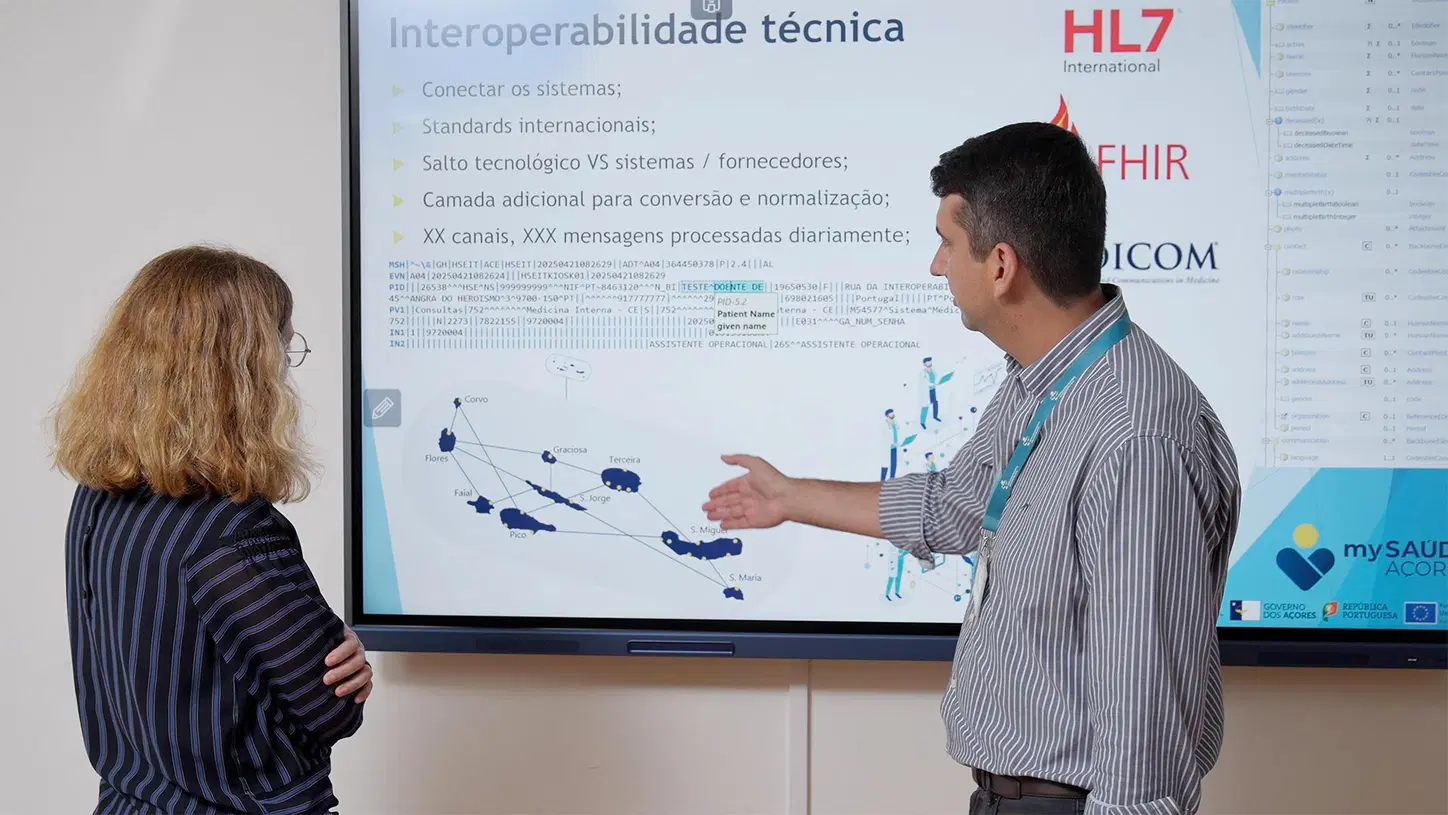
    For the 240,000 people living across the nine islands of the Azores, an archipelago of Portugal, access to healthcare has always been shaped by geography. Patients often face long journeys between islands to reach specialists. Healthcare professionals work across a fragmented network of hospitals, local health units, and care centers. As Regional Secretary for Health and Social Security Mónica Seidi puts it: “The Azores are made up of nine islands, and I would almost dare to say nine challenges.” To address these barriers, the Azores Regional Health Service launched its Digital Hospital project, a region-wide transformation designed to connect healthcare providers, patients, and clinical information across the archipelago. Working with Siemens Healthineers, the initiative is creating an integrated digital ecosystem built around a unified electronic health record, patient and physician portals, teleconsultations, and standardized clinical data. Improving access to specialized care through digital healthcare The goal is clear: ensure that high-quality care is available regardless of where patients live. Instead of traveling by plane for routine specialist appointments, patients can increasingly access care virtually, review medical records online, manage prescriptions, and schedule appointments through a single digital platform. Connecting clinical data for better patient care For healthcare professionals, centralized information means more informed decisions and fewer administrative barriers. As physician Lénio Couto explains: “Centralizing data allows us to spend more time with patients, to talk with them. It’s not a separation, but rather a way to get closer.” The impact is already becoming visible. Patients can access consultations, exam results, and vaccination records online, while teleconsultations are reducing travel and improving access to specialist expertise. Digitalization is strengthening coordination across the islands, reducing redundancies, and supporting safer, more efficient care.

    Read more
    Island Administration Now Wants A Private, ‘Green’ AI Data Centre on Great Nicobar
    Connectivity & DigitizationAugust 20, 2026

    Island Administration Now Wants A Private, ‘Green’ AI Data Centre on Great Nicobar

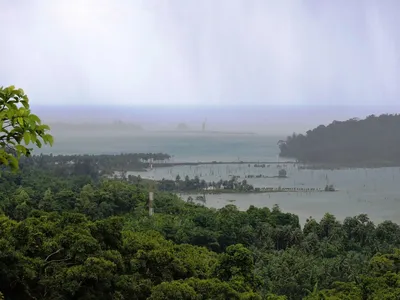
    The Great Nicobar island – which will lose 130 square kilometers of rainforest to upcoming controversial infrastructure projects worth Rs 92,000 crore – could soon also host a ‘green’ AI data centre run by a private sector entity if the Andaman and Nicobar Administration has its way. After the Union government gave green clearances to construct an international container terminal, airport, township, power plant and tourism facilities on Great Nicobar, the administration now wants a private sector-led ‘green’ AI data centre too. The Andaman and Nicobar Administration, in an Expression of Interest (EOI) document published on August 10, has called for entities in the private sector – “reputed hyperscalers, cloud service providers, AI infrastructure companies, data-centre developers and operators, marine-engineering companies, renewable-energy companies, sub-sea connectivity providers and other technically qualified entities” – to explore the feasibility of developing a “Green AI or Data Centre Vertical” in Great Nicobar or Little Andaman, in the Andaman and Nicobar Islands. The proposals have to reach the Office of the Secretary (IT) of the island administration in 45 days (by September 24). The proposed ‘green’ AI or Data Centre can include hyperscale and/or AI-focused data-centre infrastructure, Graphics Processing Unit (GPU) and high-performance computing infrastructure, cloud computing and sovereign digital infrastructure, renewable-energy-powered data-centre operations, seawater-based or other innovative cooling systems, freshwater-free cooling solutions, waste to heat recovery and potential utilisation for low-temperature desalination or other productive applications; and submarine and terrestrial digital connectivity. The document has also identified several potential locations for the proposed data centre: the Hutbay Sea Area or Netaji Nagar Sea Area on Little Andaman island, or the Campbell Bay Sea Area, Anderson Bay Sea Area, Vijay Nagar Bay Sea Area or Gandhi Nagar Bay Sea area on Great Nicobar. The purpose of the EOI is “to enable interested private-sector entities to undertake a preliminary assessment of the technical, economic, environmental, operational and strategic feasibility” of a green data centre, including the potential locations in Great Nicobar or Little Andaman, infrastructure requirements, power demand, cooling architecture, digital connectivity, environmental safeguards, regulatory requirements and possible investment models, the document accessed by The Wire reads.

    Read more
    Data Centre Could 'Transform Alderney's Economy'
    Connectivity & DigitizationAugust 13, 2026

    Data Centre Could 'Transform Alderney's Economy'

    A data centre could be "economically transformational" for Alderney, a study has found. The States of Alderney asked an independent company to carry out the research to see whether a centre could, in principle, be built and operate on the island. The feasibility study said the global data centre sector was experiencing "significant growth", driven by increasing demand for digital technologies such as cloud computing and artificial intelligence. The States said it now had a "duty" to consider plans for a data centre to see if there was any interest, but did not commit to a future development. "The feasibility study opens by saying a data centre is feasible and economically transformational for Alderney," said Jeannie Cameron, chair of the States' policy and finance committee. "We therefore have a fiduciary [a legal obligation to act in others' best interests] duty to consider it and to move to the next step to see what interest there is from the private sector, and to consult with the public when any proposals are received." The States added the data centre could raise "substantial income through leases and royalties", which could "significantly" exceed revenues from sources such as property tax and document duty.

    Read more
    Micronesia: Can Fintech Connect the Multi-Island Pacific Nation?
    Connectivity & DigitizationJuly 2, 2026

    Micronesia: Can Fintech Connect the Multi-Island Pacific Nation?

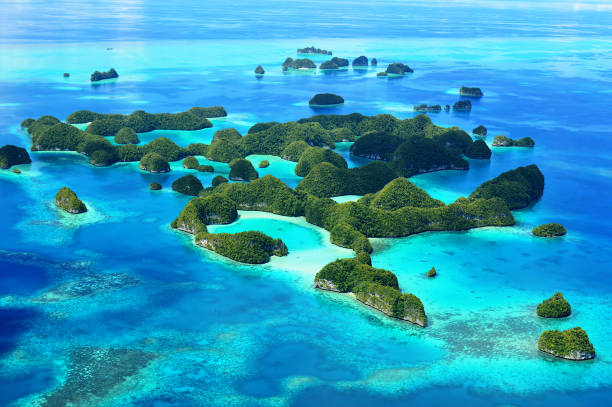
    What are the fintech and wider digital and economic developments for the Pacific nation of Micronesia in 2026? The Federated States of Micronesia is one of the most geographically dispersed countries in the world. Although its population is only around 115,000 people, the nation is spread across more than 600 islands scattered across a section of the Pacific Ocean larger than many continents. The four states of Yap, Chuuk, Pohnpei and Kosrae are separated by vast distances, creating unique challenges for transport, communications, public services and economic development. For decades, geography has shaped nearly every aspect of life in Micronesia. It influences how goods are traded, how businesses operate, how governments deliver services and how citizens access financial institutions. In many communities, the challenge is not simply affordability or availability. It is connectivity. This is one reason why digital finance is attracting growing attention. Unlike larger fintech markets where innovation is often driven by competition between banks, startups and technology firms, the fintech opportunity in Micronesia is fundamentally about overcoming distance. It is about finding ways to deliver financial services to citizens and businesses without requiring physical branches on every island. In this sense, fintech in Micronesia is best understood as infrastructure rather than disruption. The country's economy reflects its unique geography. Gross domestic product (GDP) per capita is approximately $4,000, while the economy relies heavily on public administration, fisheries, tourism, subsistence agriculture, development assistance and services. Palikir, located on Pohnpei, serves as the capital, although economic activity is distributed across the federation's four states. The country's relationship with the United States also plays an important role. Through the Compact of Free Association, the Federated States of Micronesia receives economic assistance and maintains close links with the United States. These arrangements have helped support development, infrastructure and public services across the country. Yet economic development remains challenging. Small populations, geographic fragmentation and limited economies of scale can make traditional financial services expensive to provide. Operating a bank branch on a remote island may not always be commercially viable, while travel between islands can be costly and time-consuming. As a result, access to financial services often depends on digital solutions. The banking sector itself is relatively small. Institutions such as the Bank of Guam and the Bank of the Federated States of Micronesia play important roles in providing financial services across the country. However, the realities of island geography mean that digital channels increasingly matter as much as physical infrastructure.

    Read more
    Guernsey Launches Island-wide AI Programme to Upskill Local Community
    Connectivity & DigitizationJuly 2, 2026

    Guernsey Launches Island-wide AI Programme to Upskill Local Community

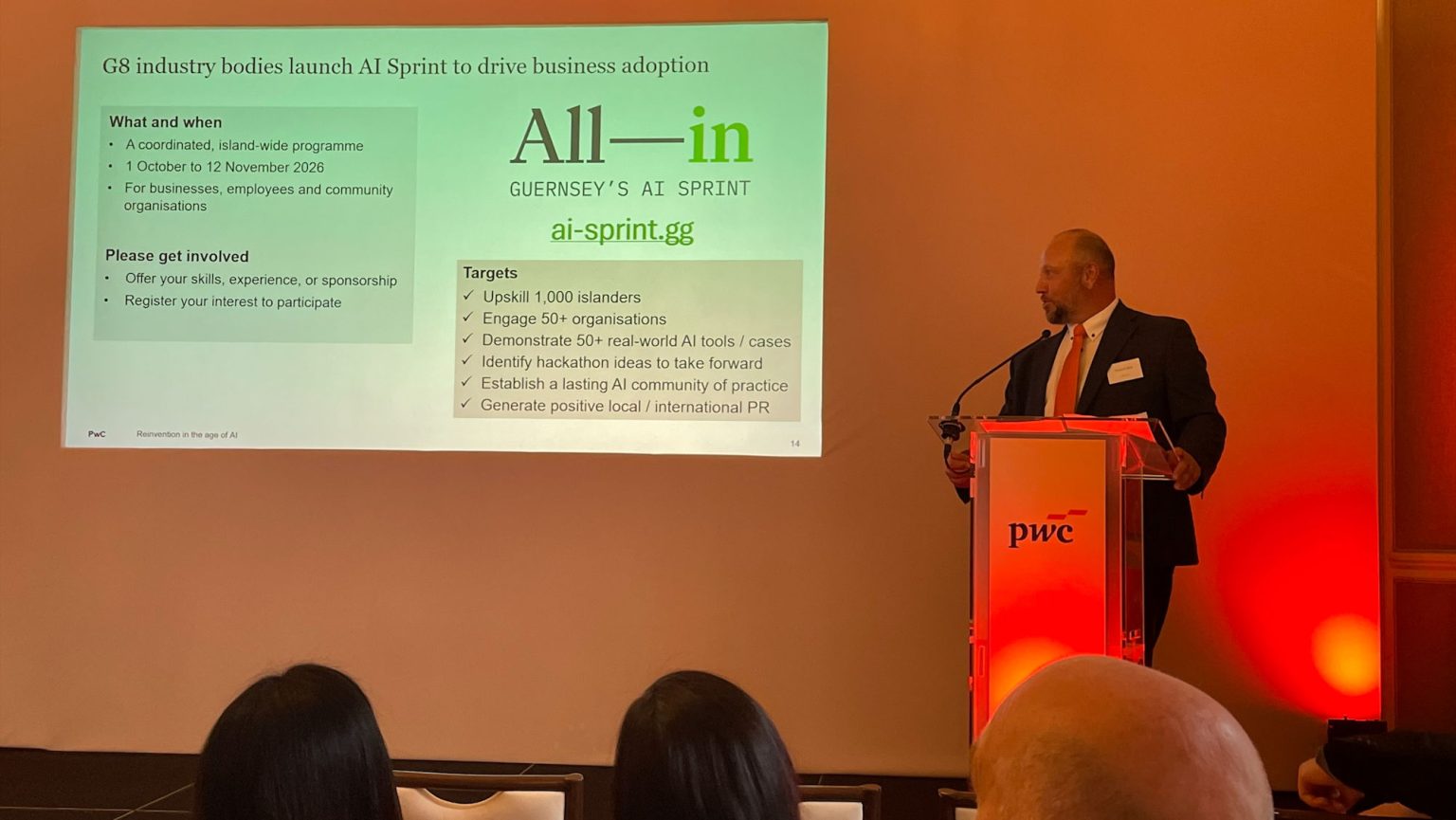
    Guernsey's G8 industry bodies have launched All-In, a coordinated island-wide artificial intelligence programme aimed at helping businesses, employees and community organisations build practical AI skills. Running from 1st October to 12th November, the programme will feature workshops, hackathons, panel discussions, live demonstrations, networking events and weekly challenges, before culminating in a showcase event celebrating outcomes from across the island. Designed to be accessible to all levels of experience, All-In will involve individuals and organisations from sectors including finance, hospitality, retail, construction, charities and the digital economy, with opportunities to take part, share expertise and support the programme. The initiative follows recommendations set out in the Oliver Wyman report, Driving Growth for Guernsey, alongside findings from the PwC Channel Islands CEO Survey, both of which highlighted opportunities for Guernsey to strengthen AI adoption and skills development. The G8 said the programme aims to upskill 1,000 islanders, engage more than 50 organisations, demonstrate practical AI tools and use cases, and help establish a longer-term AI community in Guernsey. PwC is supporting the initiative as a collaborator with the G8, with Roland Mills, Lead Office Partner – Guernsey, PwC Channel Islands, saying: "We're delighted to support the G8 AI Sprint in Guernsey, an initiative exemplifying a bold and forward-thinking response to technological change. At PwC, our commitment to innovation is built on a foundation of boldness, collaboration, and optimism. By harnessing our expertise and embracing cutting-edge technology, we empower clients and communities to move forward confidently. This event showcases the potential of uniting industry, government, and the community to turn ambitious visions into reality and we believe there is a clear and exciting path for Guernsey to align with its global peers and position itself as a leader in innovation and sustainable economic growth." Alice Gill, Executive Director of Guernsey Chamber of Commerce, speaking on behalf of the G8, said: "Guernsey has always punched above its weight when we work together – and that's exactly what All-In is about. Eight industry bodies, one shared ambition: to make sure no business, no employee and no community organisation in this island gets left behind by AI. "The tools are here and the opportunity is very real. And frankly, we can't afford to hesitate. All-In exists because the G8 believes Guernsey's greatest competitive advantage is its people and this autumn we're giving every one of them the chance to get hands-on with AI, for free, in their own community."

    Read more
    Jeju Becomes Test Bed for Autonomous Delivery Network
    Connectivity & DigitizationApril 30, 2026

    Jeju Becomes Test Bed for Autonomous Delivery Network

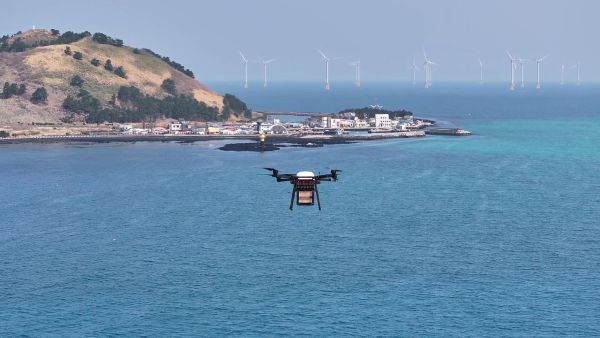
    Photo courtesy of Korea Aerospace Administration via KoreaBizWire.com Excerpt from koreabizwire.com South Korea has begun testing a next-generation delivery system in which drones and ground robots work in tandem to transport goods directly to customers’ doors, the government said Friday. The pilot, led by the Korea AeroSpace Administration in collaboration with the Electronics and Telecommunications Research Institute, aims to build a fully automated logistics chain capable of handling payloads of up to 40 kilograms. Under the system, drones depart from a logistics hub carrying cargo, fly autonomously to a destination area and land near the delivery point. A ground robot then completes the “last mile,” transporting the package directly to the customer’s doorstep.

    Read more
    Okinawa salt manufacturer shifts production method in decarbonization drive
    Connectivity & DigitizationApril 15, 2026

    Okinawa salt manufacturer shifts production method in decarbonization drive

    Excerpt from japantimes.co.jp Surrounded by sea, Okinawa Prefecture has long treasured salt, which is indispensable to people’s daily lives. But the salt industry is facing a major challenge — to change how it produces salt and delivers it to end users, a process that emits a massive amount of carbon dioxide. The production of salt — called maasu in the Okinawan dialect — involves generating high-temperature, high-pressure steam and boiling seawater or concentrated brine in a flat pan until crystals form. In Japan, coal-fired boilers are commonly used in this process. “People even say salt equals coal — it uses an enormous amount of fossil fuel,” says Genei Matayoshi, CEO of Aoiumi, the operator of salt manufacturer Shima-maasu Honpo in Itoman, Okinawa Prefecture. The salt industry’s total CO2 emissions in Japan in fiscal 2024, which ended in March 2025, are estimated at about 631,000 tons. While this represents a reduction of nearly 138,000 tons from the base year of fiscal 2013, achieving the government’s goal of net-zero emissions by 2050 remains distant.

    Read more
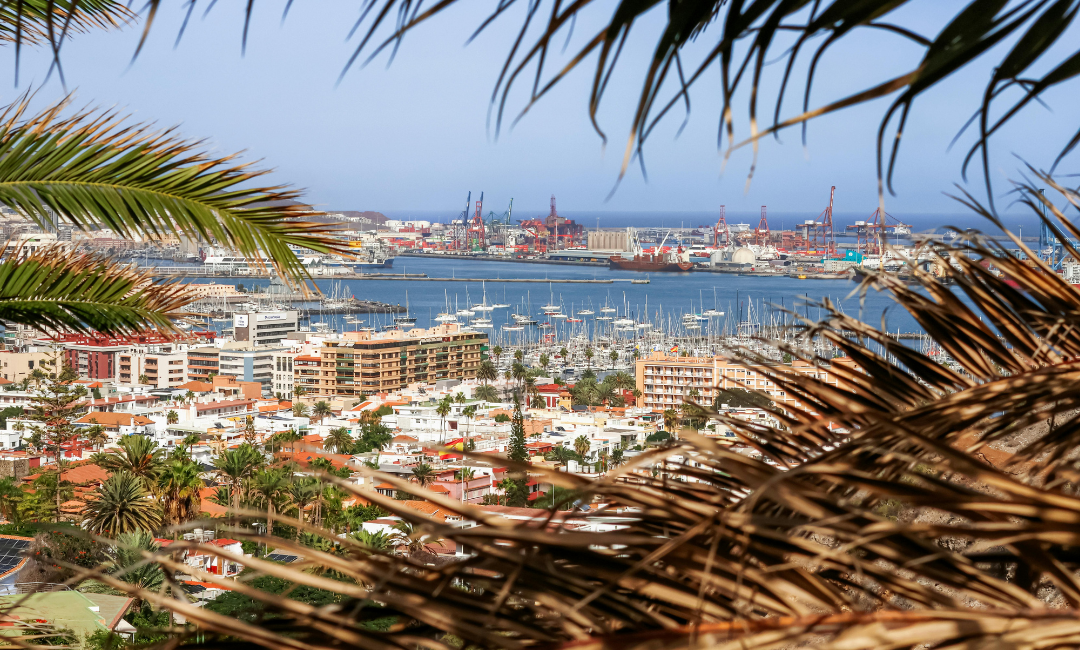
    The Gran Canaria train project receives its Environmental Impact Statement and moves towards implementation
    Connectivity & DigitizationApril 15, 2026

    The Gran Canaria train project receives its Environmental Impact Statement and moves towards implementation

    Excerpt from maspalomas24h.uk The Gran Canaria Island Council has obtained the Environmental Impact Statement (EIS) for the train project, which allows it to move forward with the administrative procedures for the execution of the railway infrastructure between Las Palmas de Gran Canaria and Maspalomas. The President of the Gran Canaria Island Council, Antonio Morales, stated that “the development of guided transport is key to moving towards a more sustainable mobility model on the island” and highlighted that during the current term, “the technical projects have been completed and progress has been made on the necessary agreements with the State.” In this regard, he added that “work is also underway on actions related to the future airport station” and pointed out that the approval of the General State Budget will be crucial for securing the project's funding.

    Read more