VIS 2026VIS 2026 — Virtual Island Summit|Also: GSIS 2027GSIS 2027
Island Innovation Logo
About
Services
The Network
Events
Content Library
Contact Us

Subscribe to our newsletter. By submitting, you agree to our Privacy Policy.

Island Innovation

Island Innovation works with governments, institutions, and partners worldwide to support island-led sustainable economic development.

We Support The UN Development Goals

SDG 9: Industry, Innovation and Infrastructure
SDG 11: Sustainable Cities and Communities
SDG 12: Responsible Consumption and Production
SDG 13: Climate Action
SDG 14: Life Below Water
SDG 17: Partnerships for the Goals

Explore

AboutServicesNetworkEvents

Content

ArticlesNewsCareers

Ready to Connect?

Join the island innovation community

Get in Touch

About

  • About us
  • Case Studies
  • FAQs
  • Press
  • Careers
  • Contact

Services

  • Services Overview
  • Public & Media Relations
  • Strategic Communications

Network

  • The Island Network
  • Academic Council
  • Newsletter

Events

  • Our Events
  • Watch Past Events

Content

  • All Content Library
  • Videos
  • Articles
  • News
Privacy PolicyTerms of ServiceContactManage email preferences

© 2025 Island Innovation. All rights reserved.

    News

    Curated stories and analysis from islands and sustainability leaders worldwide.

    Filter by Core Theme

    All ThemesCircular EconomyClimate ActionConnectivity & DigitizationCulture & CommunityEnergy & TransportGreen Finance & EconomyOcean & BiodiversityPolicy & GovernanceTourism & Remote WorkWater & Food
    Showing 9 of 179 news items in Energy & Transport
    Islands Tap Energy From Oceans’ Thermal Layers
    Energy & TransportSeptember 17, 2026

    Islands Tap Energy From Oceans’ Thermal Layers

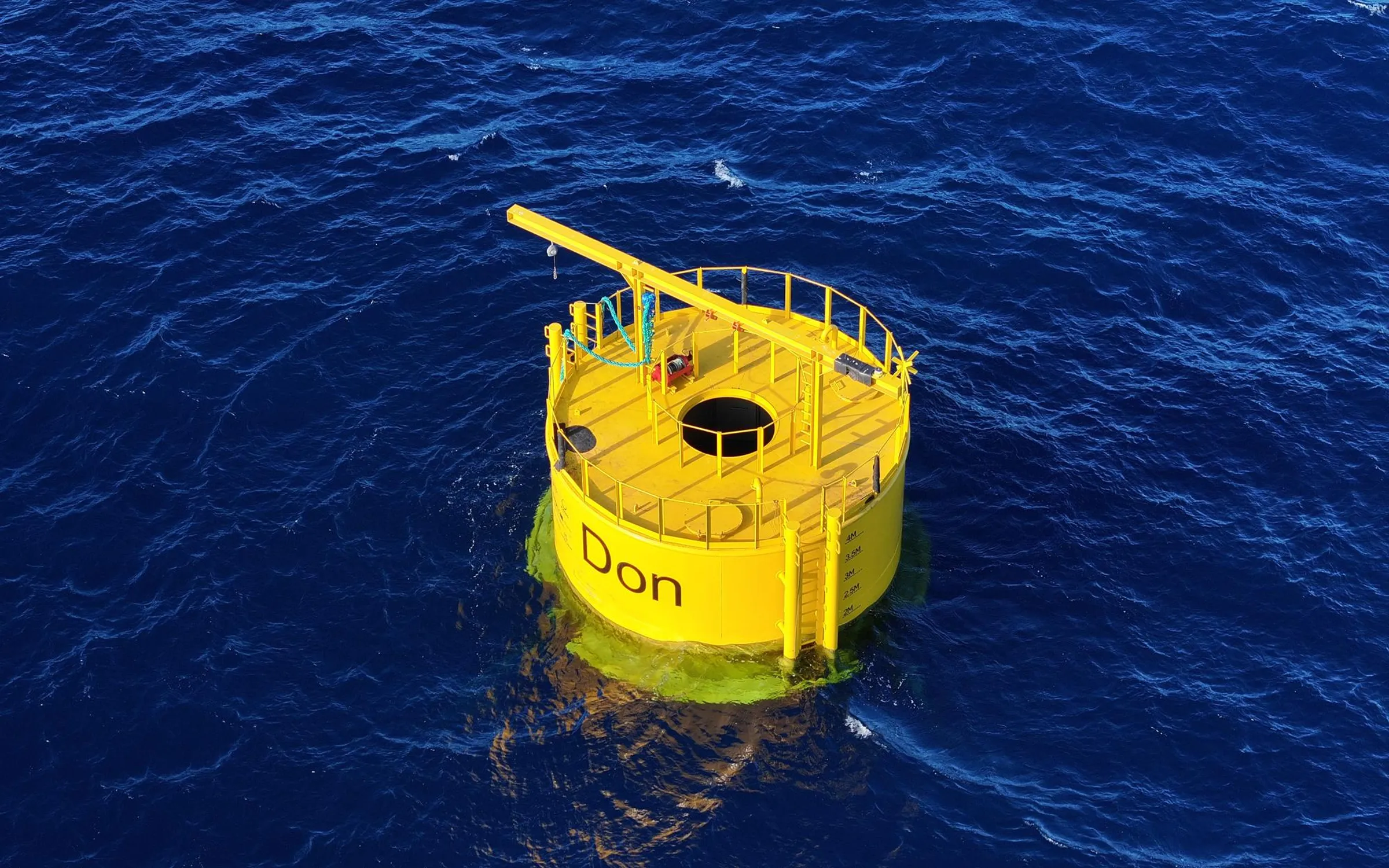
    Construction underway on a remote island nearly 400 kilometers west of India’s mainland could demonstrate, for the first time, the commercial viability of a vast, untapped renewable resource: the ocean’s thermal layers. Here, on the Lakshadweep Archipelago, surface waters are more than 20 °C warmer than the depths below, and with the right equipment that temperature differential can be exploited to generate electricity. Known as ocean thermal energy conversion, or OTEC, such power plants can deliver renewable power around the clock. The scale of the opportunity is immense thanks to extensive regions of the world’s oceans with sufficiently large temperature differences between surface and deep waters. In just the waters around the United States, for example, OTEC could satisfy the country’s entire power demand, according to a 2021 report by the U.S. Department of Energy’s National Laboratory of the Rockies. India’s project will tap 1,000-meter-deep seawater to generate 65 kilowatts of electricity and produce 100,000 liters of potable water per day. Developed by India’s National Institute of Ocean Technology (NIOT), it’s a small project, but a big step toward a commercial breakthrough for OTEC. “What we are doing is scalable in numbers for islands and remote communities. This can be a market strategy,” says Purnima Jalihal, who led the project before retiring last year as head of the energy and freshwater division at NIOT. The project is part of a fresh wave of enthusiasm behind OTEC. Kilowatt-scale projects have been completed recently in China and the Canary Islands, and more are planned for Hawaii, Taiwan, and Japan. While previous efforts to commercialize OTEC have come up short amidst engineering snafus, efficiency shortfalls, and funding constraints, today’s efforts benefit from advances in key devices and engineering capacity. Still, far bigger projects are needed before investment in OTEC will take off, says Robert Varley, who led defense contractor Lockheed Martin’s OTEC program from 2006 to 2017. Most OTEC proponents agree, saying the field needs a demonstration of at least a few megawatts, which is an order of magnitude larger than the longest-running projects to date. “Once that happens, I think the world changes for OTEC,” Varley says. How Ocean Thermal Energy Conversion Works Earth’s oceans absorb much of the sun’s daily irradiation and excess heat trapped in Earth’s atmosphere. But most of this thermal energy stays within 100 meters of the ocean’s surface. The deep seas remain frigid, dominated by meltwater from Earth’s frozen poles. Since the 1970s, a few dozen projects have sought to harness that heterogeneity. It’s challenging because the temperature gap the technology aims to exploit is relatively narrow. Even in tropical zones, most OTEC plants will have to make do with a 25 °C difference between the surface waters and the cold waters 1,000 meters below. (By contrast, conventional thermal generators function off of a 400 °C temperature spread.) To harness the small temperature differential, most groups generate power by heating and cooling a working fluid that naturally boils at a low temperature, such as ammonia. Surface water is pumped into the plant, and its heat is transferred to the ammonia, causing it to evaporate. That vapor then drives a turbine to generate power. Finally, to repeat the cycle, the ammonia’s heat is transferred to cold water piped in from the deep, causing the ammonia to condense. Squeezing power from a meager temperature delta requires a lot of surface and deep water. A 6.4-MW OTEC plant proposed on Taiwan’s east coast by Taipei-based industrial conglomerate TCC Group Holdings would suck up to 9,500 liters of cold seawater per second from 600 meters below the surface. A 10-MW design Lockheed envisioned for installation in China in 2013 would have processed 40,000 liters of seawater per second, but it was never built. Pumping on that scale favors placing plants on offshore platforms, which shortens the pipes required since they can extend straight down to reach lower depths. But offshore platforms increase costs, and operating in punishing open ocean conditions increases risk. When filled with water, an offshore OTEC platform’s dangling cold water pipe will weigh tens of thousands of metric tons, and any movement from rough seas will place immense stress on its connection to the platform. To address one of the risks of being located offshore, London-based startup Global OTEC deployed in the Canary Islands the world’s first platform purpose-built for OTEC and hurricane readiness. The platform, floated in April and paid for by government grants, is a 1:7-scale, non-working model of a 2.5-MW demonstration plant. An operating plant will be required to convince investors of the technology’s reliability. Jacobus, Pennsylvania-based Sea Solar Power, established in 1972 to pursue OTEC, is designing a 25-MW plant that it vows would satisfy investors by paying for itself if its electricity serves an island grid reliant on expensive diesel power. Sea Solar president James H. Anderson Jr. says his firm survived to date thanks to revenues from its manufacturing spinoffs, but he says the company is now seeking a US $5–10 million investment to finish the plant’s “pre-feasibility” engineering design. Building the plant would cost at least US $120 million more.
    12345678910
    Read more
    Strengthening Transport Connectivity Across Orkney’s Island Communities
    Energy & TransportSeptember 17, 2026

    Strengthening Transport Connectivity Across Orkney’s Island Communities

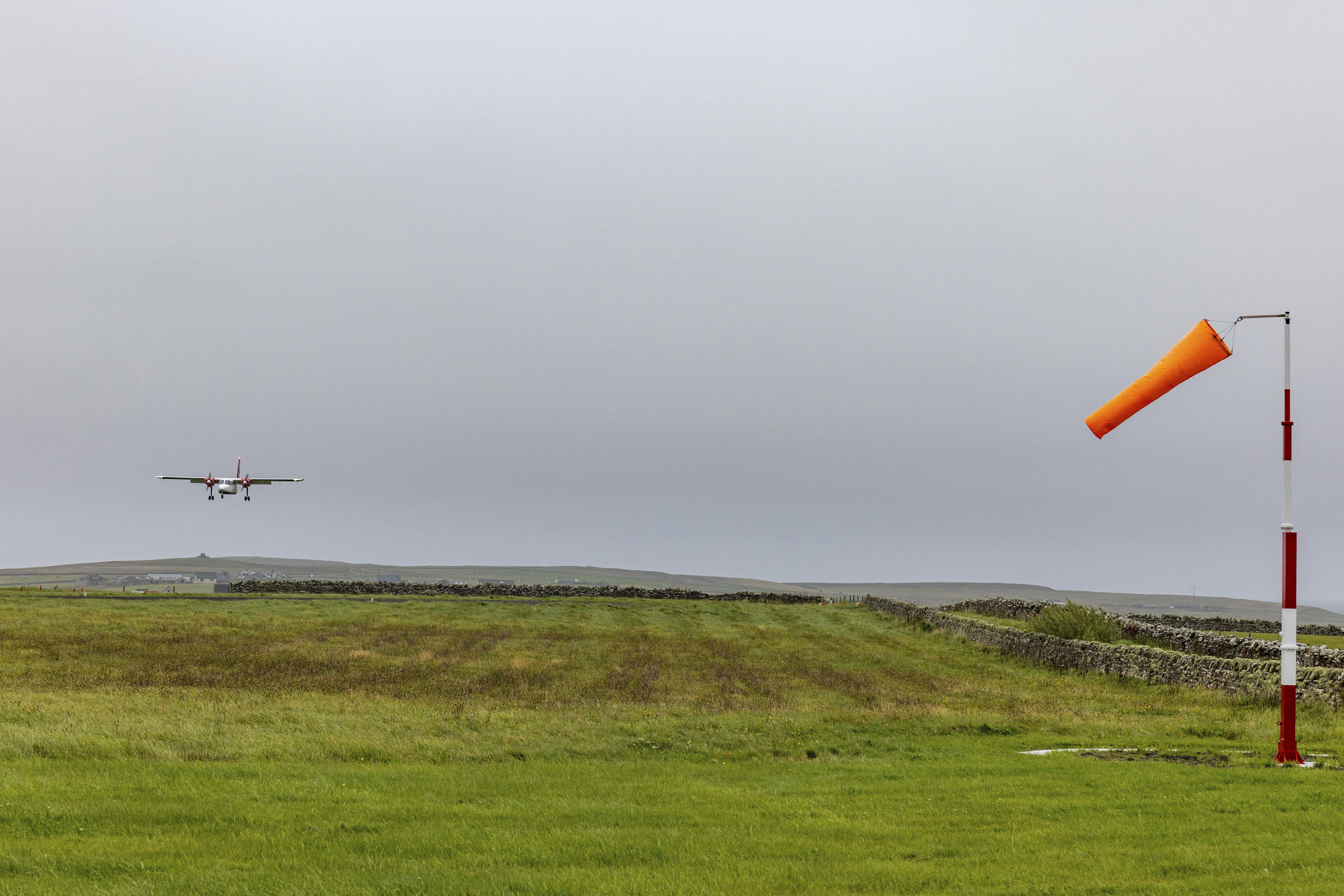
    For island communities, transport is far more than a means of travelling from one place to another. It is a fundamental component of sustainable communities, supporting access to healthcare, education, employment, essential services and economic opportunity. Reliable transport connections help people remain connected with family, friends and wider support networks while enabling businesses and public services to operate effectively. In Orkney, maintaining these vital links presents unique challenges. The geography of the archipelago means that ferry and air services provide lifeline connections between islands, requiring significant ongoing investment to ensure services remain reliable, accessible and resilient. Heather Woodbridge is the leader of Orkney Islands Council. She said: “In recent years, collaboration between Orkney Islands Council and the Scottish Government has helped strengthen the foundations for future transport connectivity. Through revenue and capital funding, support for the Ferries Taskforce, investment in infrastructure and backing for the Ferry Replacement Programme, progress has been made towards developing a more sustainable and resilient transport network for island communities. “This support has come at an important time. Like many island authorities, Orkney operates transport services that are essential to residents but costly to maintain. The inter-island ferry fleet is ageing, air services are experiencing rising demand, and communities require transport systems that can continue to meet changing needs into the future.” Recognising these challenges, a recent allocation of £2m in capital funding from the Scottish Government has enabled a programme of strategic investments aimed at strengthening resilience across Orkney’s transport network. These include the purchase of a Britten-Norman Islander aircraft for the inter-island air service, the acquisition of the MV Toplander to support ferry operations, and investment in equipment to assist with airfield maintenance. The acquisition of an additional aircraft is expected to enhance the resilience and capacity of Orkney’s inter-island air service. For many of the outer islands, air travel provides an essential connection to healthcare, education and other public services. Communities including North Ronaldsay and Papa Westray rely heavily on these links. Increased capacity and improved operational flexibility will help support service reliability while creating opportunities for more responsive scheduling and future service development. Alongside aviation investment, funding has also enabled the purchase of the MV Toplander. Although not a replacement passenger ferry, the vessel provides additional operational resilience within the wider network. It supports freight movements and can help maintain continuity of service during vessel breakdowns, maintenance periods or refits. With much of the existing fleet reaching an advanced age, resilience measures of this nature play an increasingly important role in sustaining island connectivity. Investment has also been directed towards supporting airfield infrastructure across the North Isles. A new runway roller will assist local teams in carrying out maintenance work more efficiently, helping licensed airfields continue to meet required safety standards while improving operational independence. While these projects provide immediate benefits, the long-term focus remains on fleet renewal through the Ferry Replacement Programme, one of the most significant infrastructure programmes undertaken by Orkney Islands Council. Many vessels currently operating within the internal ferry network are more than 35 years old, increasing maintenance requirements and placing greater pressure on service reliability. The Ferries Taskforce, established in 2022, has played a key role in bringing together the Council and Scottish Government to develop an approach to fleet renewal. Funding support has enabled work to progress on business case development, vessel design, operational planning and funding arrangements, helping move the programme from concept towards delivery. A significant milestone was reached when additional flexibility was introduced to inter-island connectivity funding arrangements, helping create a more sustainable financial framework for investment in replacement vessels while maintaining essential services. Further progress was achieved through confirmation of funding support for Phase 1 of the Ferry Replacement Programme.

    Read more
    Renewable Energy Powering Shoals Marine Laboratory Could Be Blueprint for the Future
    Energy & TransportAugust 27, 2026

    Renewable Energy Powering Shoals Marine Laboratory Could Be Blueprint for the Future

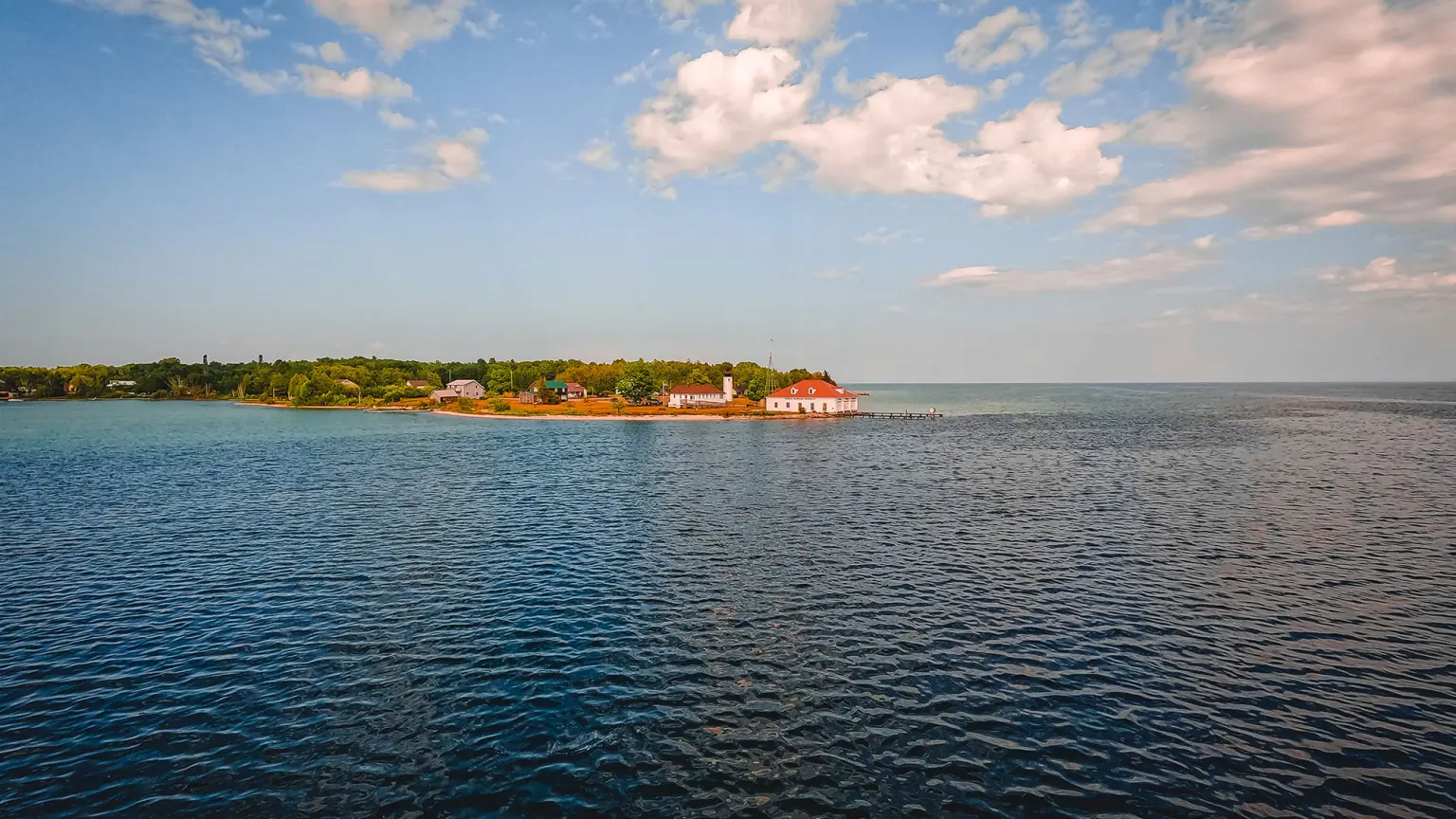
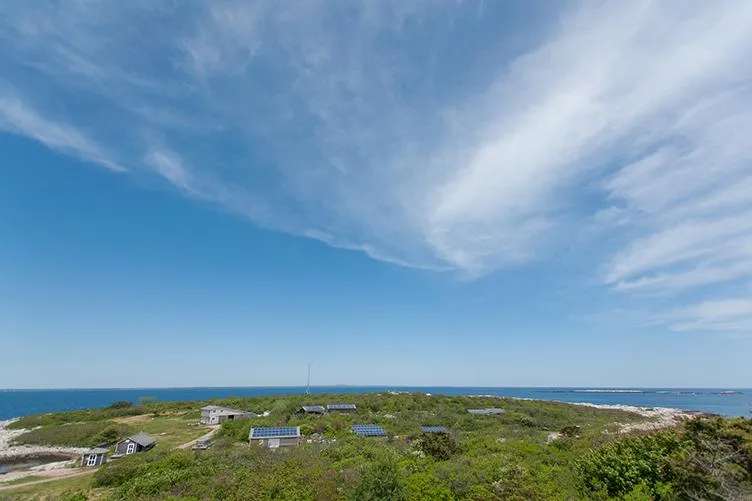
    At Shoals Marine Laboratory, jointly operated by UNH and Cornell University on Appledore Island, sustainability has been a way of life for 20 years. This story, reprinted with permission from the Union Leader, the state's largest daily newspaper, details how the lab's green power microgrid has helped reduce reliance on diesel fuels by 98% — and is a proof of concept for renewable energy anywhere. Wondering what the future of renewable, sustainable energy might look like in New Hampshire? The answer may just lie about 6 miles offshore in the Gulf of Maine — no crystal ball needed. Look no further than Appledore Island, home to the Shoals Marine Laboratory (SML), marking its 60th anniversary this year. Operated by the University of New Hampshire and Cornell University, the 95-acre island isn’t connected to the electricity grid that exists on the mainland, and engineers have worked to build an innovative green power microgrid that runs on renewable energy. And now, they’re ready to show it off to the world. “Shoals Marine Lab’s green grid has got to be 20 years ahead of anybody else. It’s truly incredible,” said Tom Greene, a UNH Marine Docent — a group of volunteers who help connect the public with coastal research happening at Shoals. From the solar panels to a wind turbine, the green grid provides electricity that powers research, computers, phones, lights and the dining hall — everything needed to keep the operation running. Throw in other sustainable operations such as compostable toilets, recycling, kitchen composting and collecting rainwater for use in the famous Celia Thaxter Garden and those familiar with the site say the day-to-day operations on Appledore are decades ahead of similar efforts elsewhere in New Hampshire. On Tuesday, a Union Leader reporter and photographer were among 29 people to take part in the inaugural, day-long Shoals Sustainability Tour, developed in response to growing interest in green living. Participants on the sold-out trip spent the day alongside SML’s engineering and sustainability staff learning how the island campus produces and manages its own power, water and waste while serving hundreds of students, researchers and visitors each year. “We’ve been living sustainably and have this great, amazing green grid on the island for like the last 20 years and we had to have it that way in order to have our students out there. But it’s become such a topic of public interest that we decided to do a pilot tour last summer and test what it would be like to actually focus a full day on our green grid and sustainable infrastructure. You guys are the first real, live public program that we’ve had,” said Amy Fish, SML’s director of community relations. About 65 people live on Appledore Island in the summer, all of them connected in some way to the lab. No one is onsite during the winter months. Until the mid-2000s, SML was powered exclusively by diesel generators. If the generators went down, the lights went out. By 2006, SML was consuming more than 10,000 gallons of diesel per year. Since then, through implementation of green energy solutions and dedication to energy savings, SML has reduced its diesel fuel consumption by 98%. Last year, the lab’s generators, which operate using solar power with diesel as a backup, used just 170 gallons of diesel for the entire four-month season (May through August), compared with using 9,361 gallons of diesel prior to the installation of solar panels in 2007, when the generators ran the island. Conserving energy and water The energy conservation building, constructed in 2014, is home to the main battery bank for the island’s green energy microgrid, storing solar and wind power to distribute electricity to 14 buildings. Energy is stored when the sun is shining and the wind is blowing, for use when clouds roll in for any extended period of time. “On a day where it’s completely cloudy, I literally will make an announcement in lunch and say, ‘What do you see outside?’” said Sara Morris, executive director of SML. “And the students get to know very quickly — clouds. What does that mean? Turn everything off that we possibly can. What this means is that the students see a sense of responsibility and they can see that they can make a difference in the environment.” Potable water is an important but finite resource on the island. A reverse osmosis machine that produces fresh water is “a big energy draw,” which is why it makes sense to run it when there’s excess energy being generated, according to Alec O’Meara, director of external affairs at Unitil, which helps with the design and maintenance of SML’s microgrid. “If you’re running it in the afternoon, while you’re able to get all the solar energy you need to charge the batteries at max and run the lab completely, they still have surplus energy at that time — energy that they couldn’t do anything with otherwise,” O’Meara said. “So, by running this (reverse osmosis machine) and generating the water at that moment, they’re able to maximize that use. If they’re doing it any other time, they’re going to be using energy that otherwise would have been stored, right? “That’s time-of-use energy. Utilities create things like time-of-use rates to try and incentivize exactly what this is doing in real time out here, use energy when it is most abundant.” Tanner Burns, a lead engineer at SML, said conserving water on site is “extremely important.” “The biggest way we do that is through our usage,” Burns said. “We limit the amount of showers we take. So, everybody on the island, staff and students, are permitted two Navy showers a week. A Navy shower is, turn the water on, you get wet, turn it off, soap yourself up, you rinse yourself, you get out. So, we try to keep it really brief.” Through efforts like this, SML has reduced the amount of water needed for bathrooms, from 1½ gallons to 6 ounces. The island also has composting toilets. “Prior to these composting toilets, we had an overboard discharge permit,” Burns said. “We actually had a treatment set up on island that we were able to actually treat solid waste, and have an overboard discharge permit where we would actually pump that treated waste into the ocean.” Harnessing wind without killing birds Walking by the 80-foot, 10 kW Bergey Excel wind turbine on the island, it’s easy to miss the fact that one of the three blades is black. Fish said the darker color helps deter birds from hitting the turbine and killing them. “In the whole time that we’ve had the turbine installed, we have yet to have one bird be killed by the wind turbine,” Fish said. “Safe to say that it’s very effective in keeping birds away.”

    Read more
    The Ocean as Hinterland: A New Lens for Island Connectivity
    Energy & TransportAugust 27, 2026

    The Ocean as Hinterland: A New Lens for Island Connectivity

    Continental maritime doctrine treats ports as gateways to inland markets, but for islands the ocean itself is the hinterland, making reliable connectivity a domestic necessity rather than an infrastructure question alone. Continental economies see a port as a gateway to inland markets. Island communities experience the same port as a gateway to everyday life. The distinction is fundamental. A delayed vessel may cost a continental business part of its profit margin. For an island community, a delayed vessel can interrupt access to food, medicine and other essentials. This reality should shape how governments and financiers think about maritime investment. Small island developing states (SIDS) already carry that cost in the data: the United Nations Conference on Trade and Development's (UNCTAD) 2024 Review of Maritime Transport puts SIDS' shipping connectivity at more than ten times lower than that of the rest of the world, and their maritime transport costs at 9.8 percent of the value of what they import, against 8.1 percent for developed economies and 13.7 percent for the Least Developed Countries. The Continental Assumption Much of the doctrine that governs maritime policy was written for continents. The organising image is a chain that runs from farm and factory through road and rail to the quayside, and from there to the world. Europe's North Sea–Rhine–Mediterranean corridor shows the doctrine at full scale: some 12,150 kilometres of railway, 5,000 kilometres of road and 5,030 kilometres of inland waterway carry cargo from the ports of Rotterdam, Antwerp and Genoa to industrial regions as far inland as Switzerland and southern Germany. In that model, the port is a terminal whose value lies in how efficiently it moves cargo between land and sea. Measures such as throughput, dwell time and corridor capacity reflect that function. The logic is sound, and for large land economies it remains the right one. It is also incomplete, because it assumes there must be a hinterland behind the port. When the Ocean Is the Hinterland On a continent, the hinterland is the landmass a port serves and draws upon; for an island, there is no landmass behind the port—the sea itself performs that role. The sea itself performs the role a hinterland fills elsewhere. It is the medium through which food security, healthcare access, education, labour mobility, business supply and emergency response all travel. That dependence shows up in the numbers: UNCTAD finds that SIDS have lower shipping connectivity than any other country group, and that their import transport costs run, on average, two percentage points above the global rate of 8.1 percent, reaching 20.2 percent in Comoros, 17.9 percent in Seychelles and 17.4 percent in the Solomon Islands. Maritime connectivity, in other words, links an island society to itself before it links it to the world. The effect is clearest when something fails. When a motorway closes on a continent, traffic reroutes, and the network absorbs the loss. When a scheduled ferry or coastal service is cancelled, alternative routes are often unavailable, leaving goods stranded, patients delayed, and businesses reliant on the next sailing. Connectivity is then experienced less as logistics than as the tempo of ordinary life. Fuel-price shocks that swept the Pacific in 2022 make the pattern concrete: families in Fiji pulled children out of school because they could no longer afford the boat fare home, health workers on some islands cut prenatal check-ups back to a single monthly visit, and in Palau, shipping a single truck from Asia once cost US$30,000, enough to scrap the purchase. This is why UNCTAD describes maritime transport as the lifeline of SIDS, underpinning trade, tourism and fisheries alike, and why remoteness and transport costs weigh so heavily on them. It is also why a growing number of these states have begun to reject the label of smallness altogether. Many have adopted the language of “Large Ocean States”, emphasising that the ocean, rather than their landmass, constitutes the overwhelming majority of their sovereign space. For these states, the ocean is not merely the space surrounding their islands; it is the territory through which communities are connected. Connectivity across it is therefore a domestic priority before it becomes an international one.

    Read more
    How a Virtual Power Plant Is Keeping the Lights on in the US Virgin Islands
    Energy & TransportAugust 13, 2026

    How a Virtual Power Plant Is Keeping the Lights on in the US Virgin Islands

    In the US Virgin Islands (USVI), a quiet virtual symphony is taking place. As increasingly extreme weather and geopolitical disruption take a toll on energy costs and islands’ energy systems, a network of residential rooftop solar and home battery storage systems is coming together to bolster grid reliability and performance. In March 2026, the Virgin Islands Energy Office (VIEO) launched VIBES 2.0, a virtual power plant (VPP) pilot program. It doesn’t generate power but rather organizes the available energy from individual battery systems to play in perfect harmony and react within sub-seconds to the utility’s power needs. All of this takes place without any new investments in generation or power lines from the utility. How did this come about? Back in 2024, RMI partnered with the energy office to answer a specific challenge: how can you bridge the gap between self-reliant and sometimes skeptical residents, their underutilized battery storage systems, and a struggling utility? After Hurricane Irma in 2017, the USVI struggled to get power back online — depending on where residents were in the territory, it took three to six months to get fully restored grid power. USVI residents were increasingly frustrated and distrusted the utility or their timelines to get the grid back online for their homes and businesses. As a result, those who could afford to do so increasingly secured their own energy resilience by installing solar panels and battery backup systems. USVI residents continue to contend with an unreliable electricity supply, driving significant uptake of residential and commercial solar and battery storage. Today in USVI, nearly one in eight homes have solar, and many residents have coupled solar with battery storage systems. In total, the islands have 30 megawatts of solar PV and over 50 megawatt-hours of battery storage. People like St Thomas’ artisan Don Schnell are a great model of what this looks like in practice: a business owner and artisan who felt he couldn’t depend on the grid for consistent, reliable energy, and so invested in rooftop solar and battery storage. Problem solved: the grid might dip, but his productivity won’t. However, this uptake in renewable energy systems creates an interesting dichotomy. Residents with solar and batteries have access to reliable energy while those who rely only on the grid are subject to service disruptions. All while the massive 50 MWh of aggregated battery storage sits there, often full and idle, and the main grid struggles with outages and voltage dips.

    Read more
    Windfarms on This Scottish Isle Are Contentious. Renewables Must Work for Local People Too
    Energy & TransportJuly 30, 2026

    Windfarms on This Scottish Isle Are Contentious. Renewables Must Work for Local People Too

    Community-owned wind projects on Scotland's Isle of Lewis have generated millions of pounds for local services, poverty reduction, environmental stewardship and cultural heritage. Yet many first-generation turbines are nearing the end of their working lives while community schemes face barriers to grid access and a planning system that can favour larger projects. The article makes the case for energy infrastructure that enables island communities to repower local assets and retain the social and economic value generated by renewable power.

    Read more
    Shetland Backs Plan to Connect Islands with £1.5bn Undersea Tunnels
    Energy & TransportJuly 9, 2026

    Shetland Backs Plan to Connect Islands with £1.5bn Undersea Tunnels

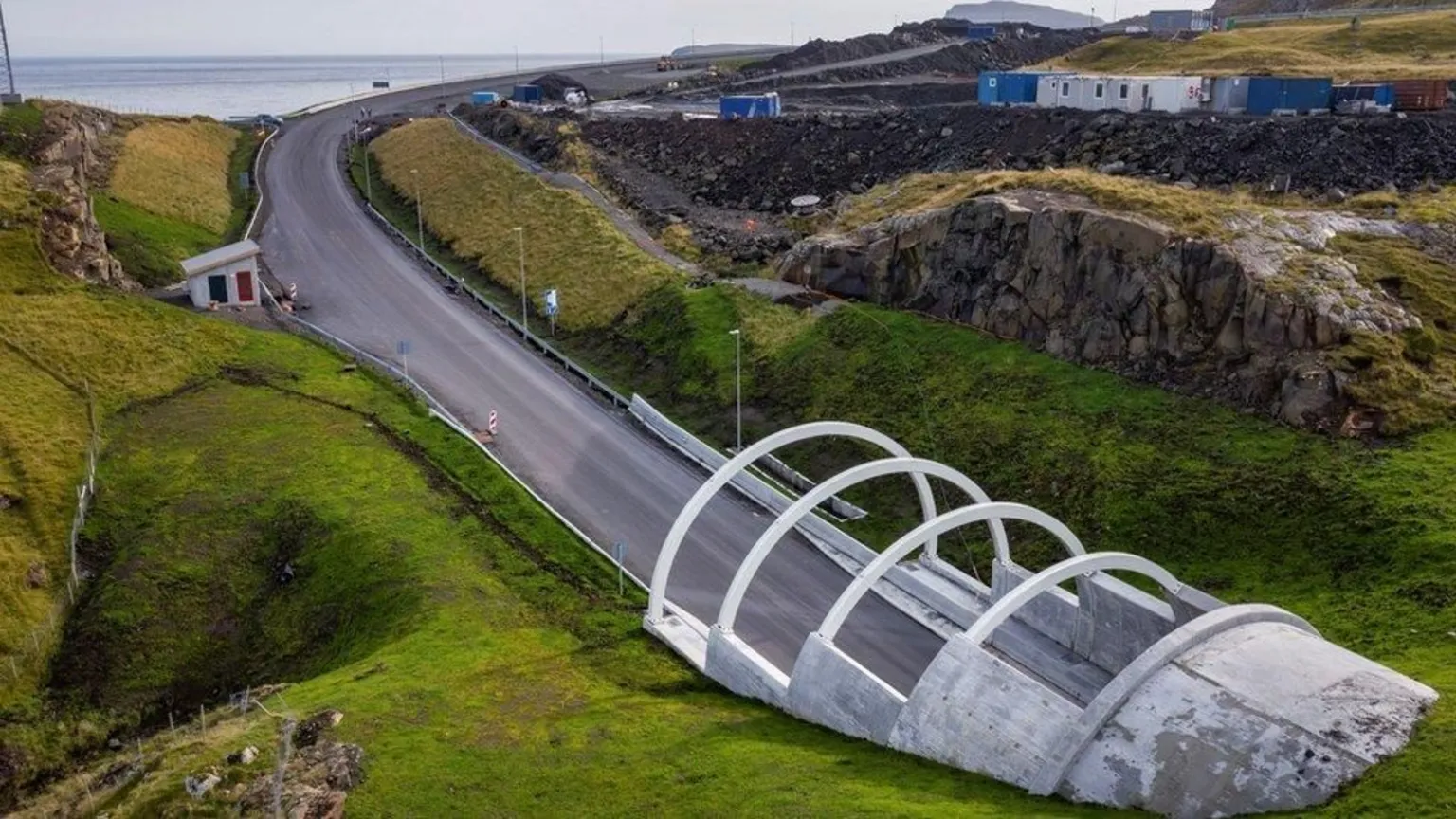
    Councillors have backed initial plans to connect some of Shetland's islands with undersea tunnels, which could be in place within eight years. A feasibility study proposed replacing ageing ferries with tunnels from Shetland's mainland to Yell and from Yell to Unst, describing them as "economically transformative". Two more tunnels, to the islands of Whalsay and Bressay, could follow under the plans - which it is estimated could cost £1.5bn. Council leaders say the tunnels would be cheaper than building new ferries and replacing harbours. At a meeting in Lerwick on Tuesday, councillors approved exploring funding options. Council chief executive Maggie Sandison said the project was not going to be easy, but she thought pursuing a funding solution was the "right thing to do". This could come from a mixture of private investment, public subsidy and borrowing, alongside tolls to cover maintenance costs. The council's transport chairperson, Moraig Lyall, said the report showed there were no technical barriers to building tunnels, which would be "cheaper in the long run" than ferries. Costs have risen sharply in the past decade, with some routes struggling to meet demand for vehicle places. Lyall said: "The system we have that has served us well for decades is now no longer able to do that. It doesn't have the capacity and we're struggling with other things, like the ability to crew the system adequately. These barriers to giving the islands a really good service are not going to be easily overcome by replacing ferries with other ferries. The tunnel is the answer that we believe will help us solve these problems."

    Read more
    This Island in the Great Lakes Wants to Tap Waves for Energy
    Energy & TransportJuly 2, 2026

    This Island in the Great Lakes Wants to Tap Waves for Energy

    Hydrokinetic energy from the waves surrounding Beaver Island could improve electricity reliability and push an emerging technology forward. Beaver Island sits in the middle of the northernmost end of Lake Michigan, about 70 miles from the maritime border with Canada. The forested island, just a little bigger than San Francisco in size, is a popular summer destination for tourists and home to about 600 permanent residents. Getting there requires a boat or plane ride. Getting electricity to the island isn't as easy. Power comes from mainland Michigan through cables that cross roughly 30 miles of lake bed. Outages are common during extreme weather, or when there are problems with the sensitive wires. The devastating ice storm that walloped the state last year knocked out power to the island for weeks. That's got some residents hoping to see a more reliable source of power that's generated where they live. Turns out, there's an abundant source nearby: the waves that surround the island. Earlier this month, researchers from the University of Michigan gathered on the shoreline to deploy two devices that convert the kinetic energy of waves into electricity. The gadgets — prototypes that look like small boats framed with PVC pipes and are about the size of a yoga ball — demonstrated their potential by powering a light bulb and charging a cell phone. The project is one of many efforts across the country to use alternative sources of energy to improve reliability in remote places. In this case, the researchers spent two years gathering input from residents, who said providing a dependable source power to the airport was a priority. "We need to work with the community together to identify the need and design together with them," said Lei Zuo, an engineering professor at the University of Michigan and the lead researcher on the project. Several residents already power their homes and businesses with solar panels or geothermal energy, and the island has previously received federal funds to improve access to renewables. Similar programs and grid modernization plans face an uncertain future as the Trump administration cancels grants and programs, raising questions about how such projects will be funded in the years ahead.

    Read more
    Island Solar Project Will Help Tackle Fuel Poverty
    Energy & TransportJune 25, 2026

    Island Solar Project Will Help Tackle Fuel Poverty

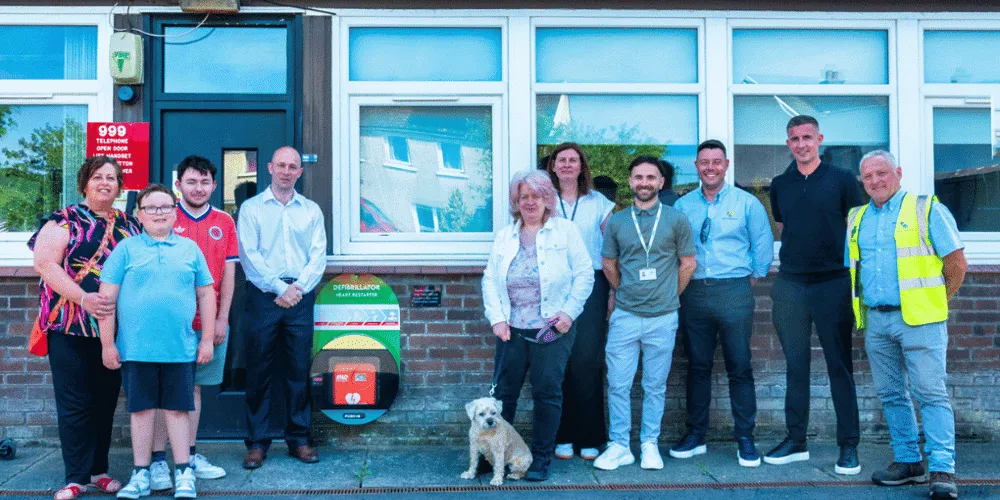
    A North Ayrshire Council partnership project has seen more than 30 homes on Great Cumbrae being fitted with solar panels and battery storage systems. The Millport Solar PV and Battery Project is a community-led, phased programme with three aims: reducing Scope 2 carbon emissions - resulting from grid-supplied electricity; tackling fuel poverty and; building local energy resilience. It is part of the Carbon Neutral Islands (CNI) Project, which is a Scottish Government programme for government commitment, supporting six islands with the aim to demonstrate the climate-resilience and low carbon potential of islands. The latest phase alone is expected to mitigate approximately 24 tonnes of CO2 emissions in its first year, contributing to the island's decarbonisation goals as well as financial savings of over £20,000. This has been a highly successful partnership, managed by the Council's Energy and Sustainability team, locally led by Carbon Neutral Cumbrae and supported by Scottish Government Island's Programme funding. Installation works have been carried out by energy services company Union Technical, who completed 31 installations during the latest phase. Councillor Eleanor Collier visited Millport on 27 May to celebrate the progression of energy resilience on the island and see first-hand the impact of the latest phase of the island's flagship energy retrofit programme.

    Read more