VIS 2026VIS 2026 — Virtual Island Summit|Also: GSIS 2027GSIS 2027
Island Innovation Logo
About
Services
The Network
Events
Content Library
Contact Us

Subscribe to our newsletter. By submitting, you agree to our Privacy Policy.

Island Innovation

Island Innovation works with governments, institutions, and partners worldwide to support island-led sustainable economic development.

We Support The UN Development Goals

SDG 9: Industry, Innovation and Infrastructure
SDG 11: Sustainable Cities and Communities
SDG 12: Responsible Consumption and Production
SDG 13: Climate Action
SDG 14: Life Below Water
SDG 17: Partnerships for the Goals

Explore

AboutServicesNetworkEvents

Content

ArticlesNewsCareers

Ready to Connect?

Join the island innovation community

Get in Touch

About

  • About us
  • Case Studies
  • FAQs
  • Press
  • Careers
  • Contact

Services

  • Services Overview
  • Public & Media Relations
  • Strategic Communications

Network

  • The Island Network
  • Academic Council
  • Newsletter

Events

  • Our Events
  • Watch Past Events

Content

  • All Content Library
  • Videos
  • Articles
  • News
Privacy PolicyTerms of ServiceContactManage email preferences

© 2025 Island Innovation. All rights reserved.

    News

    Curated stories and analysis from islands and sustainability leaders worldwide.

    Filter by Core Theme

    All ThemesCircular EconomyClimate ActionConnectivity & DigitizationCulture & CommunityEnergy & TransportGreen Finance & EconomyOcean & BiodiversityPolicy & GovernanceTourism & Remote WorkWater & Food
    Showing 9 of 267 news items in Policy & Governance
    The Netherlands Establishes EU Platform for Curaçao and Other Caribbean Islands
    Policy & GovernanceSeptember 17, 2026

    The Netherlands Establishes EU Platform for Curaçao and Other Caribbean Islands

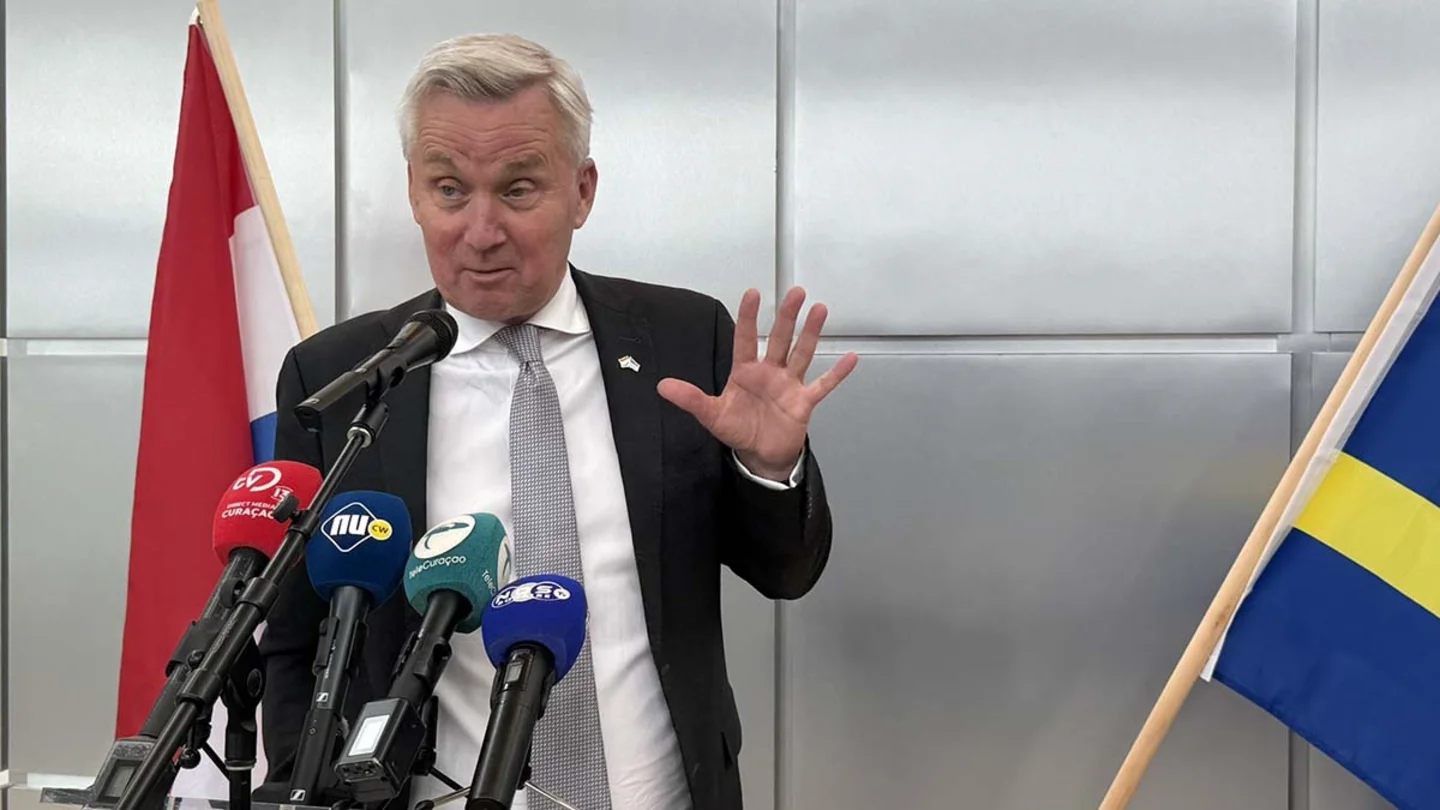
    The Netherlands is working on a joint EU platform for Curaçao, Aruba, Sint Maarten, Bonaire, Sint Eustatius, and Saba, together with the European Netherlands. The platform aims to make cooperation with Brussels more structured and to better support the islands in utilizing European subsidies and investment opportunities. State Secretary Eric van der Burg of the Interior and Kingdom Relations wrote this to the House of Representatives on Monday. According to him, more cooperation and coordination within the Kingdom are needed to act more effectively in Brussels. According to the Cabinet, a major problem is that while the islands do have access to European programs, in practice they are not always able to make full use of them. The implementation capacity of the Overseas Countries and Territories (OCTs) is relatively limited, meaning that participation in, for example, the European Global Gateway Strategy is formally possible but often difficult to implement in practice. Furthermore, not all available European funds from the current budget period have been utilized yet. The Netherlands therefore also wants to make more support available for the development of projects. A special legation has already existed for Bonaire, Sint-Eustatius, and Saba since 2023. Its activities are further focused on assisting in attracting European subsidies. The new EU platform aims to broaden cooperation to all six Caribbean countries and islands within the Kingdom with Overseas Countries and Territories (OCT) status. At the same time, the Netherlands is trying to expand the islands' access to European funds. Under the original proposal for the new EU Global Europe program, the OCTs could only draw from the global funding pot. This represents approximately six percent of the available resources within that program. Partly at the insistence of the Netherlands, the provisional position of the European Council includes the provision that Overseas Countries and Territories (OCTs) must also be granted access to funds from other geographical funds for regional and cross-border projects. This is not yet final. Negotiations on the European multiannual budget for 2028-2034 will continue at least until the end of this year and possibly into 2027.

    12345678910
    Read more
    Maldives To Develop Industry, Livestock On Uninhabited Islands And Lagoons
    Policy & GovernanceSeptember 10, 2026

    Maldives To Develop Industry, Livestock On Uninhabited Islands And Lagoons

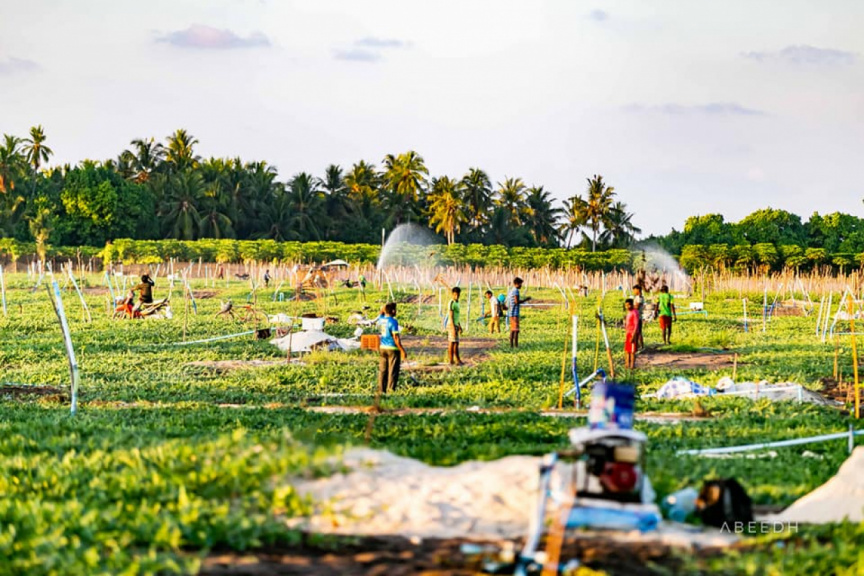
    The Maldivian government has submitted a bill to parliament to change the 28-year-old Uninhabited Islands Act. The new legislation would give the president a central role in defining the use of the archipelago's uninhabited islands and lagoons, introducing provisions on awards, concession duration, and leasing fees. Among the main changes is the possibility of leasing uninhabited islands and lagoons for purposes other than tourism, paving the way for industrial, farming, fishing, social, and public activities. While islands designated for tourism and industrial development will be assigned directly by the central government, those designated for other uses will be managed and administered by local island councils. Lagoons, however, will be entrusted to the relevant ministry. The inclusion of lagoons represents one of the proposal’s most significant innovations, as they had previously been excluded from the existing regulatory framework. Another important aspect of the reform concerns greater transparency and a clearer definition of the role and responsibilities of local governance. The bill introduces specific provisions about the relationship between local councils and government-controlled islands and lagoons. The stated objective is to find a balance between the central government authority and the interests of local communities. With this bill, the government led by President Mohamed Muizzu opens the sector to both domestic and foreign investors. Uninhabited islands designated for commercial purposes may be leased to companies and individuals registered in the Maldives, as well as to foreigners operating in the country. For other uses, leases will be reserved for Maldivian citizens, businesses, and associations. The bill also sets the duration of concessions, the criteria for determining leasing fees, and introduces a system of penalties, with the aim of ensuring more orderly management and ecosystem protection. If approved, the new legislation will replace the 1996 Uninhabited Islands Act. By including lagoons and expanding the authorised uses of uninhabited islands, the government aims to create new economic opportunities and simplify the management of the country's natural heritage. However, the reform reopens the debate on the growing centralisation of power in the hands of the central government and on the role of local councils in land management. The opening of uninhabited islands to industrial activities and foreign investors also raises concerns about the protection of the archipelago's ecosystems and the transparency of concession awards.

    Read more
    Canary Islands and Galapagos: Common Challenges And Collaboration in Innovation and Sustainability
    Policy & GovernanceAugust 27, 2026

    Canary Islands and Galapagos: Common Challenges And Collaboration in Innovation and Sustainability

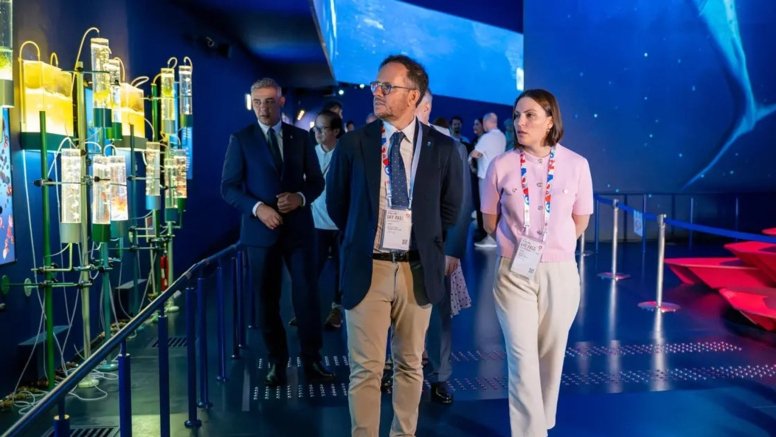
    Canary Islands and Galapagos will seal a key agreement in August to boost innovation and sustainability. Discover how this alliance will address crucial challenges such as energy, water, and biodiversity for the islands. The Government of the Canary Islands plans to sign a line of work next August with the Ecuadorian archipelago of Galapagos to address issues of interest to both territories in terms of innovation and sustainability and to exchange knowledge in this regard. The Deputy Minister of the President's Cabinet, Octavio Caraballo, will visit this area and will hold a meeting with the authorities of the Galapagos Special Regime Council to lay the foundations for stable cooperation between both archipelagos. Caraballo highlighted that this collaboration arose from the interest shown by the Galapagos authorities in the research and innovation being developed in various centers in the Canary Islands, which they learned about at the II edition of DiploInnova Canarias, held in Madrid last February, which focused on Oceans and Climate Change. In this meeting, the numerous affinities shared by both archipelagos were noted, characterized by their unique island condition, their extraordinary natural heritage, their strategic relevance, and the common challenges arising from biodiversity conservation, sustainability, resilience to climate change, and the need to move towards balanced and innovative development models. Galapagos and the Canary Islands recognize that island territories are reference points for innovation and the generation of sustainable solutions to global challenges. Both regions have shown interest in consolidating cooperation that favors the exchange of knowledge, the identification of good practices, and the international projection of both archipelagos as benchmarks in the sustainable development of island territories. In this context, the Canary Islands aim to promote a stable relationship of institutional collaboration with the Ecuadorian archipelago based on the exchange of experiences, mutual learning, and technical cooperation in aspects such as the energy transition and sustainable mobility; sustainable water management; biodiversity conservation, biosecurity, and invasive species control; territorial planning, island governance, and demographic challenge management. Likewise, it is in the interest of the Canary Islands and the Galapagos Islands to work together on circular economy and waste management; food sovereignty and sustainable territorial development; the conservation and sustainable management of the marine environment and fishing resources; adaptation to climate change and strengthening the resilience of island territories, or innovation, knowledge transfer, and exchange of good practices in public policies for island territories. The objective is to be able to carry out an exchange of technical delegations and researchers from the two territories and facilitate the transfer of knowledge applied to public policies, as well as organize thematic sector workshops and establish specialized working groups in these areas, in addition to developing joint pilot projects.

    Read more
    Advancing Indigenous Climate Mobilities Governance: Vaitupu–Kioa’s Cross-Border Fenua
    Policy & GovernanceAugust 27, 2026

    Advancing Indigenous Climate Mobilities Governance: Vaitupu–Kioa’s Cross-Border Fenua

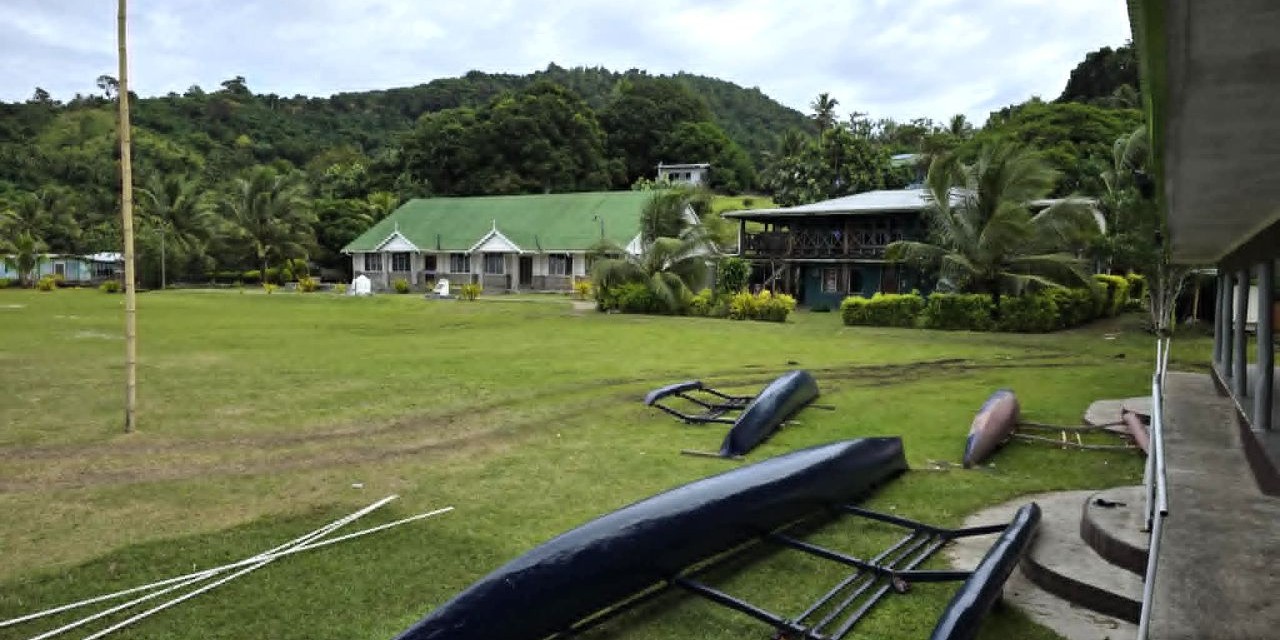
    The relocation of some Pacific Island communities away from low-lying coastal areas and some atoll islands is a current policy issue. For low-lying nations such as Tuvalu, the prospect of all territory potentially becoming uninhabitable is a risk with no straightforward solution (Barnett et al. 2025). As sea levels rise, the question for many Indigenous communities is not only if they will move, but how any movement might be governed. Governance models of climate mobility to date are dominated by the assumption that state-led programs are needed. However, when Indigenous people relocate through state-led programs rather than their own leadership, they are more likely to experience psychological, socio-economic, cultural and spiritual harm (Yumugalova et al. 2023; Raisele et al. 2025; Farbotko 2019; Baleinakorodawa & Boege 2024). In this context, Indigenous climate mobilities could be holistically understood as an emergent political space, a way for Pacific Island communities to maintain their agency, identity, and ontological security in a world of climate loss, and minimize mobility-related harms (Mafile’o et al. 2026; Baleinakorodawa and Boege 2024). Indigenous governance systems in many cases are well-positioned to nurture cultural resilience and uphold the self-determination and sovereignty of their own people if they decide to move (Yumugalova et al. 2023; Baleinakorodawa and Boege 2024). The role of the state, it is suggested, is to recognize and create an enabling environment for self-determined climate mobilities among communities. This policy brief presents a case study of Indigenous climate mobility governance. The focus of research is often on populations who might need to move away from sites of climate risk, but this report considers research from a receiving community perspective conducted by Kitara et al. (2026). It asks what might be possible when an Indigenous group considers their own territory as a potential refuge for other people, whose territory elsewhere is at risk of uninhabitability, and addresses this issue through Indigenous governance. It highlights the importance of centralizing Indigenous governance, through which Pacific communities have authority to make decisions on how their land might or might not become available to support groups wanting to move (Kitara et al. 2026) Defining Indigenous climate mobilities governance This report suggests defining Indigenous climate mobilities governance as a system where the authority to make fundamental decisions regarding movement, settlement, and land use resides within Indigenous institutions. Such a model is predicated on the understanding that Indigenous governance systems, which in many Pacific Islands are long-standing systems of decision-making, customary land tenure, and chiefly leadership dating from the pre-colonial era, are inherently equipped to govern climate mobilities through their dynamic customary institutions for diplomacy, dialogue, dispute resolution and decision-making. The authority of Indigenous governance in the Pacific, such as the Tuvaluan falekaupule, is often recognized at the level of national (post-colonial) government (Stratford et al. 2013). Rarely, however, is Indigenous governance invoked as central to climate mobility planning, and yet these are the systems through which cultural resilience in the context of climate mobility is likely to be maintained (Yumugalova et al. 2023; Baleinakorodawa & Boege 2024). Cultural resilience in this context is the capacity of a community to maintain its social fabric, language, customary governance, and collective knowledge, despite the upheaval of relocation. Indigenous governance by definition prioritizes the maintenance of the community as a whole, and for many Pacific communities who might move, culture and community are key to a resilient future. In cases of international climate mobilities, state-led programs are likely to disperse communities through cross-border migration of individuals or families, and thereby neglect the question of how customary governance and Indigenous sovereignty might be maintained. However, as this report explores, Kioa’s history demonstrates that Indigenous mobilities across an international border can occur by and for the community, maintain cultural resilience, expand Indigenous sovereignty, and build peaceful relations with new neighbours (Kitara et al. 2026). As such, Kioa provides a model of self-determination for other Pacific Island communities potentially facing a move across an international border should their own territory become uninhabitable. The case of self-determined migration to Kioa Tuvalu means ‘group of eight’, referring to the eight fenua, distinct communities each with their own island and their own customary governance system. In the 1940s, one of Tuvalu’s eight fenua, the community of Vaitupu, purchased Kioa island in the Cakaudrove Province of Fiji. The Vaitupu community negotiated with the colonial authorities to allow some of its members to move to Kioa, which was at the time uninhabited and available as freehold land, although from an Indigenous sovereignty perspective it also remained part of the Cakaudrove Province. The purchase of Kioa was an act of Indigenous foresight, creating a Vaitupuan settlement governed through the Vaitupu customary governance system, operating both in its own right and within the Cakaudrove customary governance system. Kioa today is a proud community of Tuvaluan-speaking people. Kioa is governed by the Kioa Kaupule (Council) and the 110 Matai (traditional landowners who represent the original families who contributed to the purchase) as well as Cakaudrove governance and the national laws of Fiji. Kioan customary governance thus operates largely harmoniously within the Fijian nation-state. But it also remains culturally, linguistically, and emotionally tied to Vaitupu in particular, as well as to the Tuvaluan nation, and is subject to transnational Vaitupu–Kioa governance arrangements which determine who can access land on Kioa. Kioa is often referred to by its residents as the ninth fenua of Tuvalu. It is unique, being both part of the customary sovereignty of Vaitupu and with its own political identity and governance.

    Read more
    EU Urged to Turn Islands Strategy Into Real Delivery
    Policy & GovernanceAugust 20, 2026

    EU Urged to Turn Islands Strategy Into Real Delivery

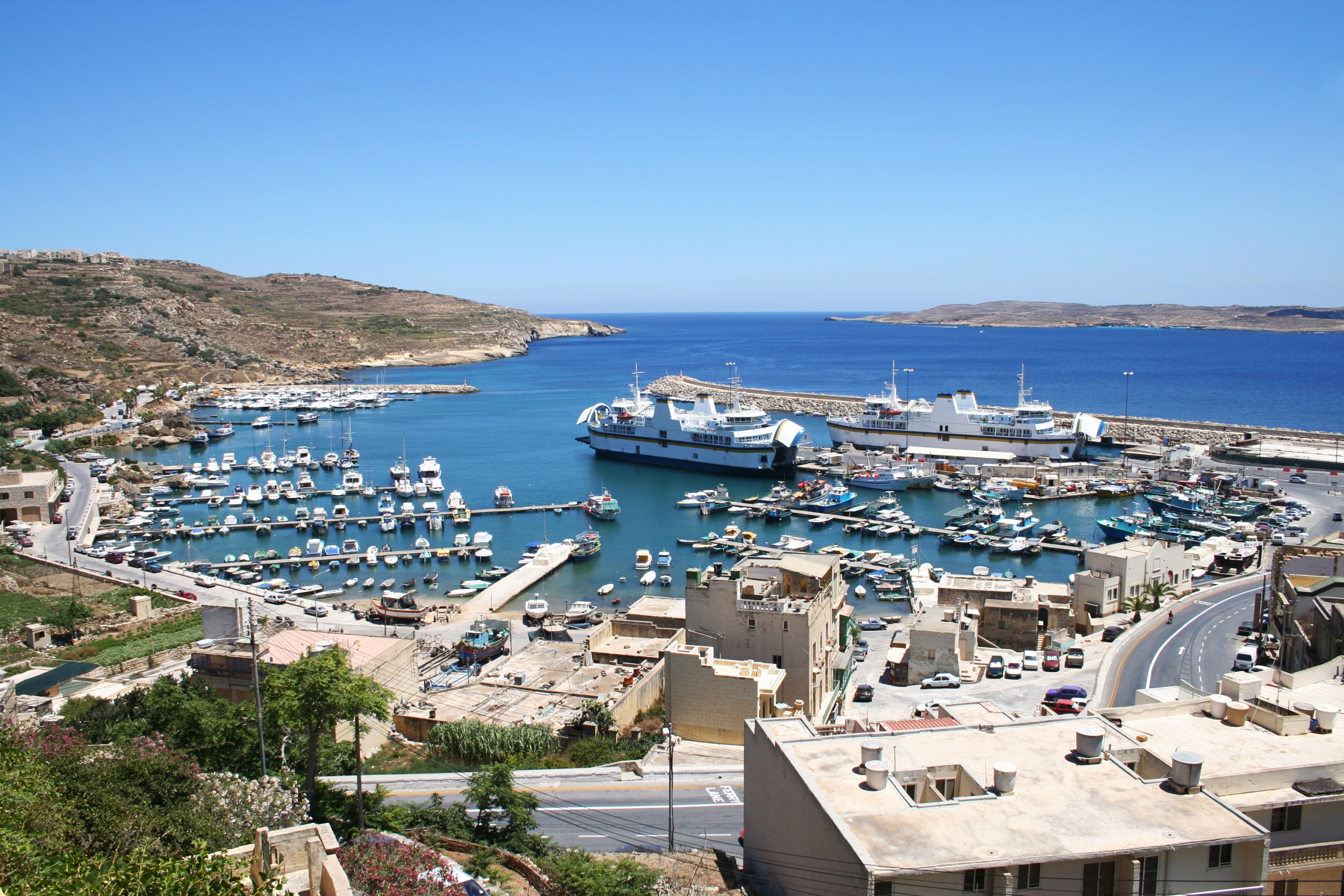
    The European Commission’s proposal for a European Union Strategy for Islands marks an important milestone for island communities. Although the EU Treaties recognise the permanent structural challenges faced by islands, relatively little has been done to address them in a comprehensive and sustained manner. The publication of this strategy is therefore a welcome development. Yet, as with any European initiative, its true value will ultimately be measured by its implementation. As a Gozitan, I know that insularity is not an abstract policy concept—it is a daily reality. Our lives are shaped by ferry schedules. Whether travelling for work, university, medical appointments or simply to access services unavailable on the island, crossing the channel is part of everyday life. We know what it means to leave home hours earlier than others, to worry about rough seas disrupting travel, or to pay more because almost everything we consume must first cross the sea. Individually, these may seem like minor inconveniences. Collectively, they define the reality of island life. This is why I particularly welcome the appointment of Noel Formosa, vice-president for Gozo and mayor of San Lawrenz, as rapporteur for the European Committee of the Regions’ opinion on the EU Strategy for Islands. His appointment ensures that the realities of island life will be represented by someone who understands them first-hand. It is also recognition that Gozo has valuable experience to contribute to Europe’s first comprehensive strategy dedicated to islands. Policies conceived in Brussels will only succeed if they are shaped together with the people and communities they are intended to serve. For Gozitans, this strategy is not about seeking special treatment or privileges. It is about ensuring that geography does not determine the opportunities available to citizens. The strategy must move beyond good intentions and deliver practical solutions to the everyday realities of island life. One of the most pressing issues is access to medicines. Europeans rightly expect equal access to healthcare regardless of where they live. Yet patients on smaller islands frequently experience shortages, delays and higher costs simply because of geography and limited market size. Medicines are not a luxury—they are an essential public service. The EU Strategy must acknowledge these structural disadvantages and work with Member States to ensure that island citizens enjoy the same standard of access to healthcare as everyone else in Europe. The same principle applies to the broader cost of insularity. Living and operating on an island inevitably involves additional costs. Businesses face higher transport expenses, more complex logistics and reduced economies of scale. Families often pay more for everyday goods and services. Numerous island regions across Europe have documented these challenges and demonstrated that they are not the result of inefficiency, but of permanent structural realities that require long-term policy responses. Connectivity is equally fundamental. Islands cannot participate fully in the European Single Market if people and goods cannot move efficiently, reliably and affordably. Connectivity is not a privilege; it is the lifeline that enables access to employment, education, healthcare, tourism and trade. This is why the conference organised last year by MEP Peter Agius on island connectivity was so significant. Bringing together academics, transport experts and island representatives, it highlighted an important reality—European funding for new maritime transport infrastructure and vessels is available. The responsibility now lies with governments to make full and effective use of these opportunities to strengthen island connectivity. Connectivity today extends beyond transport. Digital connectivity is equally essential. High-speed broadband, resilient digital infrastructure and modern communications networks are indispensable if islands are to attract investment, retain young people, support innovation and deliver high-quality public services. The strategy also provides an opportunity to improve the way European legislation is developed. Too often, policies designed with continental realities in mind create unintended consequences for islands. This is why island-proofing should become a guiding principle across EU policymaking, ensuring that legislation is systematically assessed for its impact on island territories before decisions are taken. Solutions for islands cannot be designed solely in Brussels or national capitals; they must be developed in partnership with island communities themselves.

    Read more
    Prince Edward Island Hits Historic Milestone for Women in Politics, But Still Ranks Near the Bottom
    Policy & GovernanceJuly 23, 2026

    Prince Edward Island Hits Historic Milestone for Women in Politics, But Still Ranks Near the Bottom

    Prince Edward Island has reached a record eight women serving as MLAs, or around 30% of its legislature, after Tayte Willows won the Cornwall-Meadowbank byelection. Advocates welcome the milestone but stress that the province remains near the bottom in Canada for women's political representation. Only 38 of more than 1,200 elected officials in PEI's history have been women, and 30% is widely regarded as a minimum threshold for meaningful representation rather than parity. The milestone renews the case for more inclusive decision-making and policy shaped by the lived experience of women and gender-diverse people.

    Read more
    Caribbean Leaders Clear Hurdles for Long-Delayed Aid Package to Cuba
    Policy & GovernanceJuly 14, 2026

    Caribbean Leaders Clear Hurdles for Long-Delayed Aid Package to Cuba

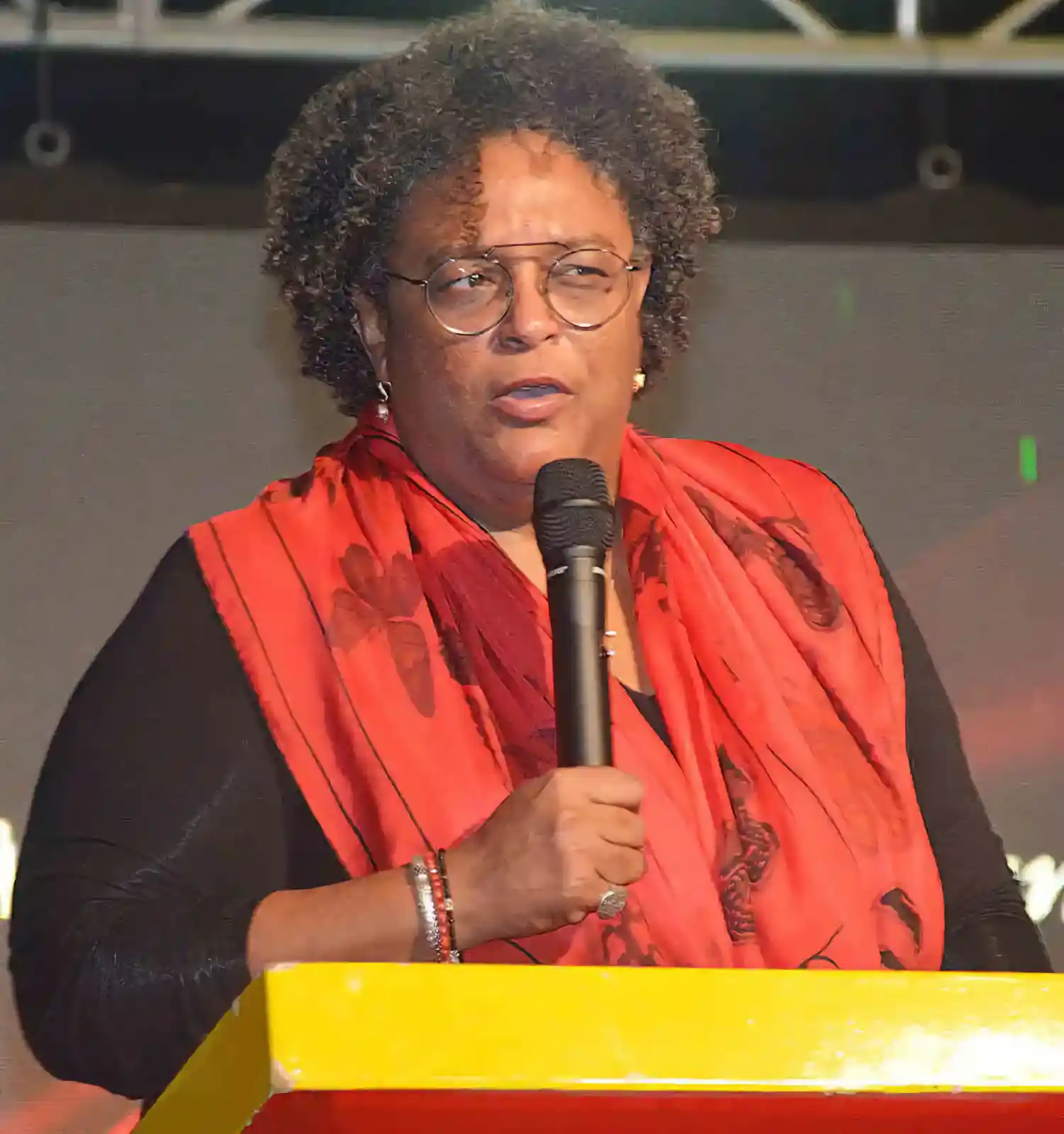
    Caribbean governments nearly a year ago promised to send an aid package to finance-starved Cuba but said international sanctions and other hurdles had prevented the region from making good on its pledge. Barbadian Prime Minister Mia Mottley says those hurdles have now been cleared and the region is in a better position to assist Cuba. Cuba and the 15-nation CARICOM grouping have enjoyed strong diplomatic relations since 1972, including two-way trade and Cuban exports of thousands of doctors, nurses and other medical professionals. Mottley said financial sanctions had blocked attempts to send cash for baby formula and other essentials, forcing circuitous routes to deliver humanitarian aid.

    Read more
    Why Europe's New Island and Coastal Strategies Need Sustainable Ocean Plans
    Policy & GovernanceJuly 14, 2026

    Why Europe's New Island and Coastal Strategies Need Sustainable Ocean Plans

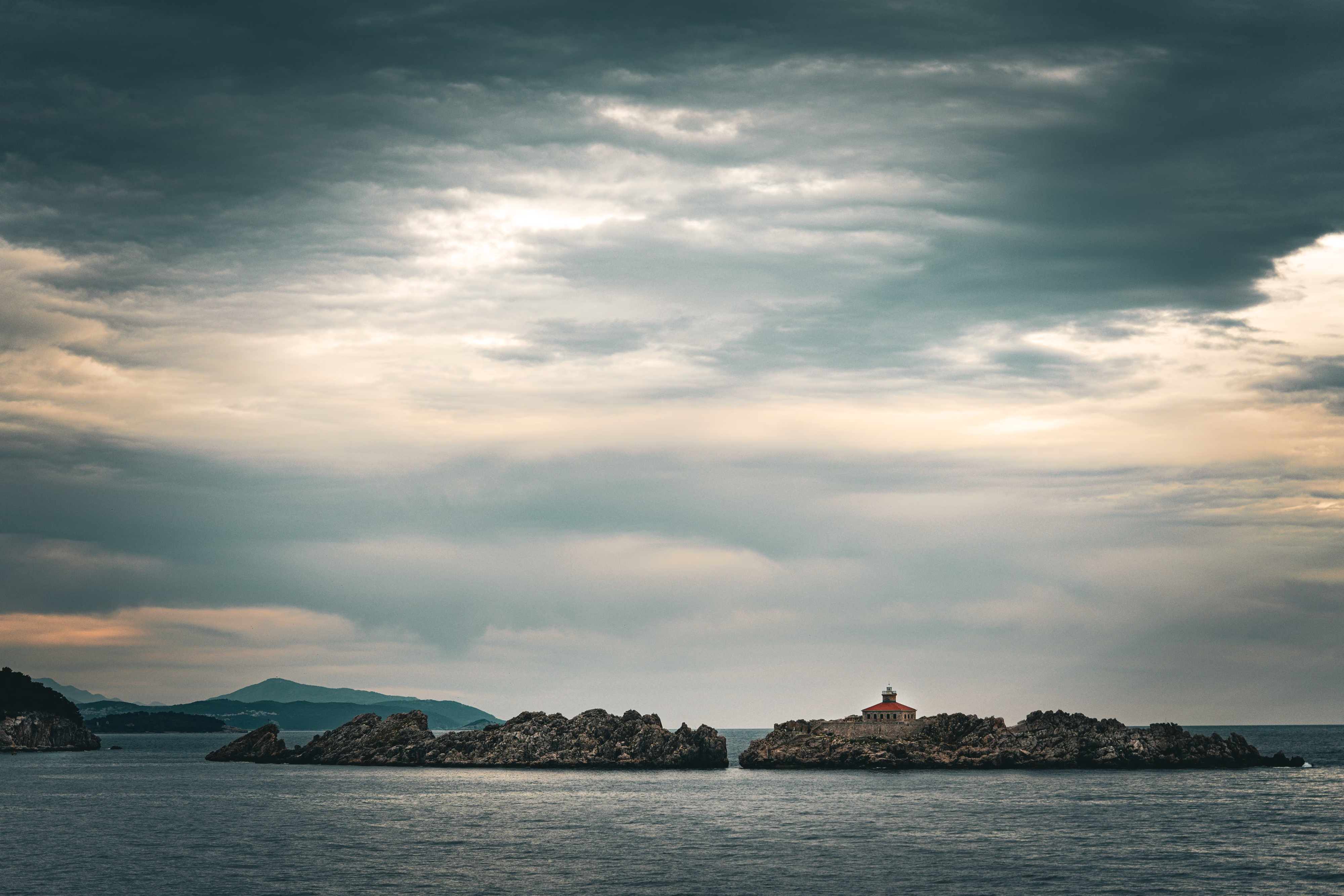
    The EU's new strategies for islands and coastal communities recognize that Europe's ocean future will be shaped not only in Brussels or national capitals, but in the places where people live with the sea every day. Together, they mark an important shift in European ocean policy from treating coastal and island territories as endpoints of sectoral policies, toward recognizing them as central actors in Europe's sustainable ocean transition. The Islands Strategy covers around 27,000 EU islands, more than 4,000 of them inhabited, with a combined population of around 17 million people. It focuses on economic development, connectivity, energy security, environmental protection, climate resilience, quality of life, security and governance. The Coastal Communities Strategy focuses on the roughly 95 million people living along Europe's 70,000 kilometers of coastline, recognizing that coastal communities are at the frontline of climate change, marine biodiversity loss, pollution, economic transition, housing pressure and security risks. Both strategies are welcome. But their success will depend on whether Europe can connect local priorities to national and EU-level ocean governance. That is where Sustainable Ocean Plans can play a powerful role. As a framework for managing a country's ocean areas, they can connect conservation, sustainable use and economic development, providing countries with a clear picture.

    Read more
    From Diplomacy to Maritime Strategy: Seychelles Anchors India's Indian Ocean Vision
    Policy & GovernanceJuly 2, 2026

    From Diplomacy to Maritime Strategy: Seychelles Anchors India's Indian Ocean Vision

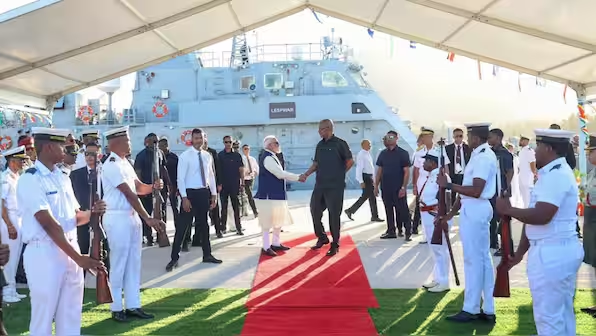
    When I handled India's relations with Seychelles in 1979, the country had been independent for barely three years. India did not yet have a resident High Commission in Victoria. I had been posted to Nairobi to learn Kiswahili and was also tasked with looking after our relations with Seychelles, then concurrently accredited from Kenya. It proved to be one of my most endearing assignments. I paid many visits to Seychelles, an Indian Ocean archipelago whose warmth, informality and Creole culture made an immediate impression. I was advised on first arrival that ties were not worn in Seychelles. Ministers and senior officials were remarkably accessible and hospitable. Conversations were informal and frank, unconstrained by protocol. It was diplomacy conducted with a degree of trust that larger capitals rarely permit. Spread across the western Indian Ocean, the islands occupied a far larger maritime space than their land or population size would suggest. It was already evident that the security of these waters would matter greatly to India. Exchanges with the Seychellois leadership over security and maritime cooperation reinforced the case for opening our High Commission in Victoria. The mission had to be built from scratch. When I called on the President's Secretary to say the mission was functional, he took me straight to the President, who was delighted by the news. On learning I had spent twenty-one days in Victoria, he joked that no Indian official had ever stayed in Seychelles so long. Neither of us could have imagined then how central Seychelles would become to India's Indian Ocean strategy. Nearly five decades later that judgement stands amply vindicated. Much commentary today on our Indian Ocean policy focuses on major powers, naval deployments and geopolitical competition. Yet a more important transformations occurred away from those headlines. Small island countries, once regarded mainly as development partners, are also now indispensable strategic partners. For India, Seychelles illustrates that evolution better than almost any country. The relationship has developed in the familiar mould of post-colonial cooperation. India extended Lines of Credit, trained officials, supported infrastructure projects and responded to urgent needs, whether in healthcare, food security or capacity-building. Over the decades, thousands of Seychellois received professional training in India, while Indian support covered transport, digital infrastructure, renewable energy and community development. Besides growing development linkages, maritime security has gradually moved from the margins to the centre of our partnership. India's support expanded from training programmes and equipment to maritime surveillance, hydrography, coastal radar networks, patrol vessels and aircraft. Joint exercises became more sophisticated. Intelligence sharing deepened. Indian and Seychellois institutions now work together in ways difficult to imagine when our relationship began. The evolution has been from donor-recipient to operational partners. That transformation reflects changes in the Indian Ocean itself. Piracy, narcotics trafficking, illegal fishing, maritime terrorism and climate-related disasters do not respect national boundaries. No country can address such challenges alone. Security increasingly depends on networks of trusted partners rather than individual national capabilities. Seychelles has also helped reshape thinking about the oceans. Alongside the label of Small Island Developing State, it championed the idea of Large Ocean States. The term captures an important reality: a country with little land may nevertheless exercise responsibility over an enormous maritime domain rich in biodiversity, fisheries and strategic sea lanes. Its influence derives not from land alone but from stewardship of the oceans. India's own maritime outlook has similarly evolved. The Indian Ocean is no longer simply one theatre among many. It is the region where India's contribution to stability, maritime security and the blue economy will increasingly focus. Partnerships with Seychelles, Maldives, Mauritius, Comoros and other island states are not peripheral to our foreign policy; they are central to it.

    Read more