VIS 2026VIS 2026 — Virtual Island Summit|Also: GSIS 2027GSIS 2027
Island Innovation Logo
About
Services
The Network
Events
Content Library
Contact Us

Subscribe to our newsletter. By submitting, you agree to our Privacy Policy.

Island Innovation

Island Innovation works with governments, institutions, and partners worldwide to support island-led sustainable economic development.

We Support The UN Development Goals

SDG 9: Industry, Innovation and Infrastructure
SDG 11: Sustainable Cities and Communities
SDG 12: Responsible Consumption and Production
SDG 13: Climate Action
SDG 14: Life Below Water
SDG 17: Partnerships for the Goals

Explore

AboutServicesNetworkEvents

Content

ArticlesNewsCareers

Ready to Connect?

Join the island innovation community

Get in Touch

About

  • About us
  • Case Studies
  • FAQs
  • Press
  • Careers
  • Contact

Services

  • Services Overview
  • Public & Media Relations
  • Strategic Communications

Network

  • The Island Network
  • Academic Council
  • Newsletter

Events

  • Our Events
  • Watch Past Events

Content

  • All Content Library
  • Videos
  • Articles
  • News
Privacy PolicyTerms of ServiceContactManage email preferences

© 2025 Island Innovation. All rights reserved.

    News

    Curated stories and analysis from islands and sustainability leaders worldwide.

    Filter by Core Theme

    All ThemesCircular EconomyClimate ActionConnectivity & DigitizationCulture & CommunityEnergy & TransportGreen Finance & EconomyOcean & BiodiversityPolicy & GovernanceTourism & Remote WorkWater & Food
    Showing 9 of 267 news items in Policy & Governance
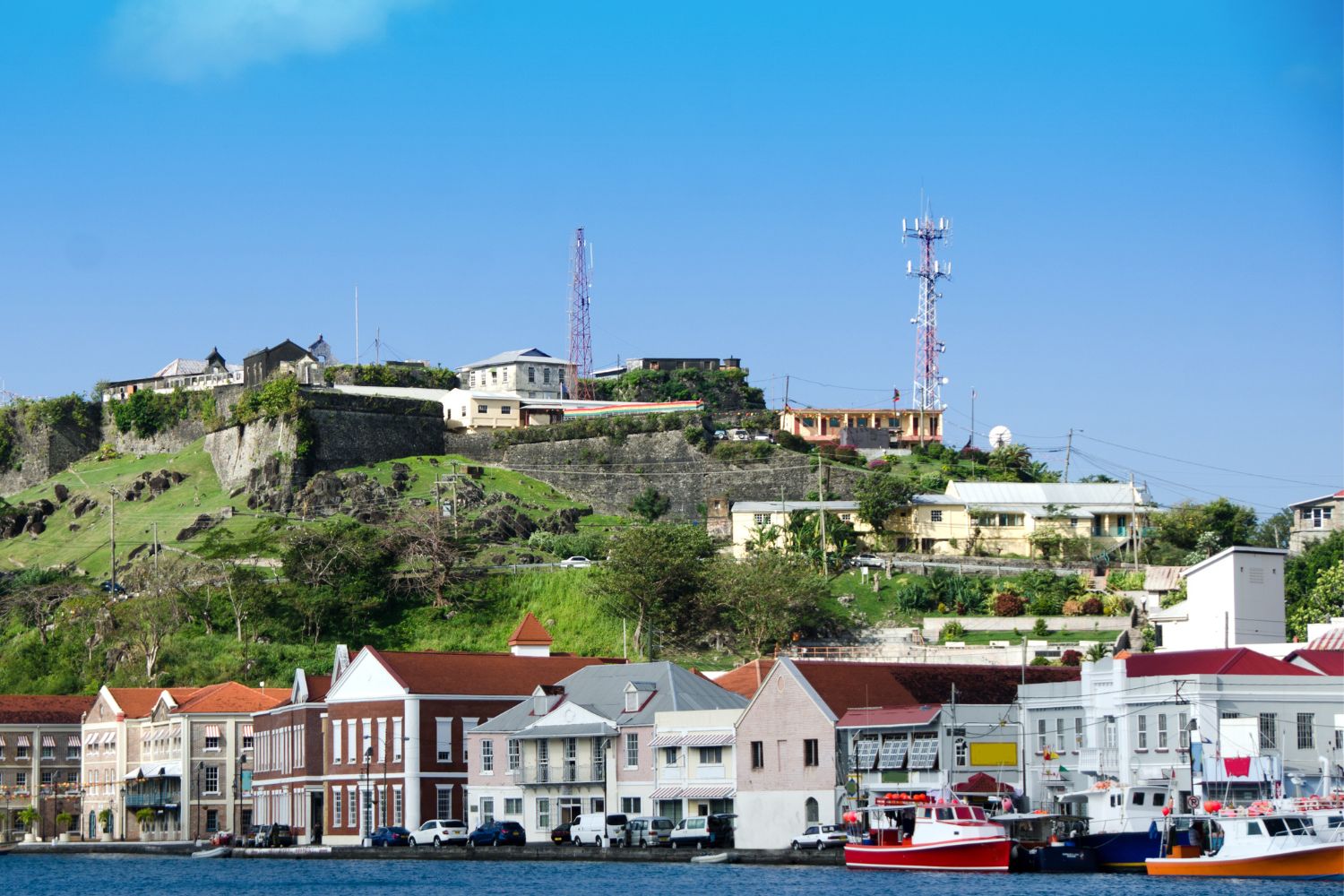
    Grenada Officially Launches The Ministry Of The Blue Economy And Marine Affairs
    Policy & GovernanceJanuary 7, 2026

    Grenada Officially Launches The Ministry Of The Blue Economy And Marine Affairs

    Excerpt from weefmgrenada.com The Government of Grenada on Monday December 15 officially launched the Ministry of the Blue Economy and Marine Affairs, on board the Esta Sea marking a major step toward sustainable ocean development and economic transformation. This new Ministry represents a strategic investment in Grenada’s future. By prioritizing the Blue Economy, Grenada signals its readiness to lead in building a sustainable, inclusive, and forward looking ocean economy—one that creates jobs, strengthens food and energy security, enhances climate resilience, and promotes social equity while safeguarding marine resources.

    Read more
    12345678910
    Swiss court admits Indonesian islanders climate case against Holcim
    Policy & GovernanceJanuary 7, 2026

    Swiss court admits Indonesian islanders climate case against Holcim

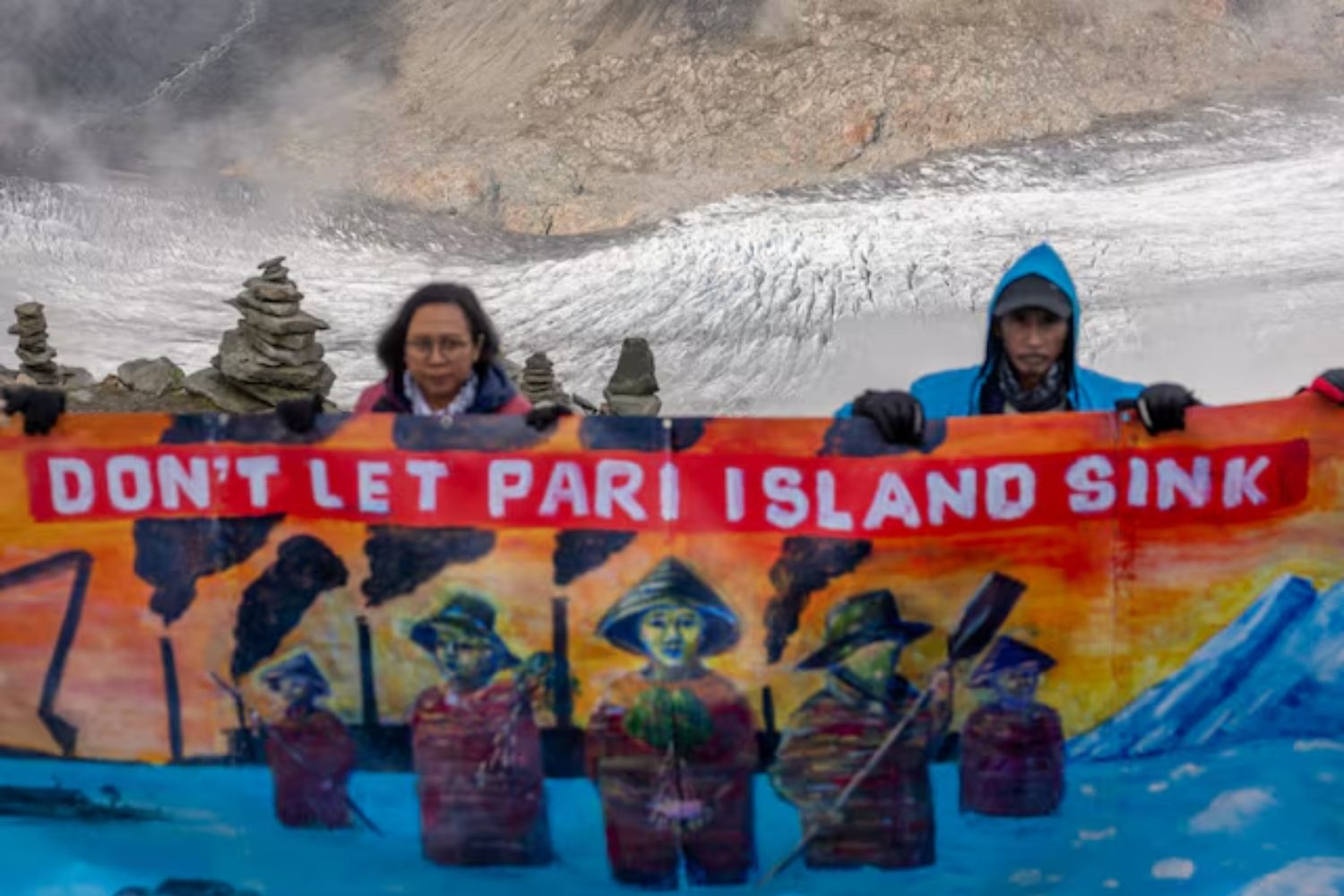
    Excerpt from reuters.com A court in Switzerland said on Monday it would admit a legal complaint against Swiss cement maker Holcim (HOLN.S), opens new tab which alleges the company is doing too little to cut carbon emissions and hence contributing to global warming. Four residents of the low-lying Indonesian island of Pari, which has been repeatedly flooded as warmer temperatures push up sea levels, submitted a legal complaint in January 2023 to the cantonal court in Zug, Switzerland.

    Read more
    The Transition from Small Island Developing States to Large Ocean States: The Promise and Problems in Pursuing the Blue Economy
    Policy & GovernanceJanuary 7, 2026

    The Transition from Small Island Developing States to Large Ocean States: The Promise and Problems in Pursuing the Blue Economy

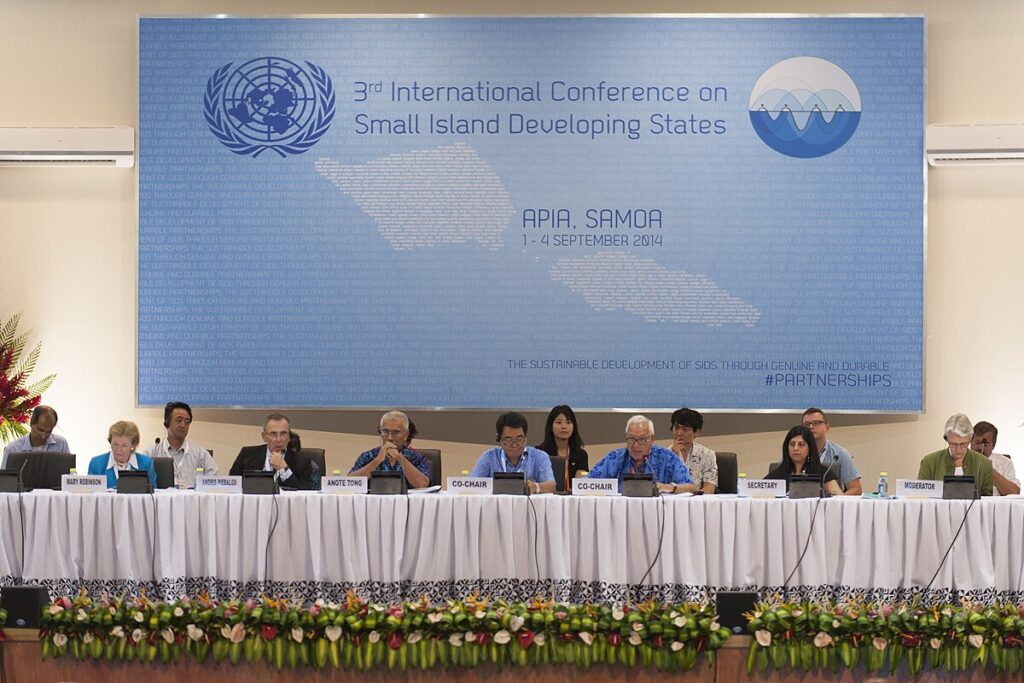
    Excerpt and Photo Credit: saisreview.sais.jhu.edu The earliest formal designation of Small Island Developing States (SIDS) as a distinct group of developing countries with their own set of specific challenges occurred in 1992 at the UN Conference on Environment and Development in Rio de Janeiro, Brazil, which is commonly referred to as the Earth Summit. There, the UN recognized the sustainable development challenges facing SIDS and the need to implement programs and measures to support them. Preceding the conference, small island states established the Alliance of Small Island States (AOSIS). Comprising nearly 20% of UN membership, the AOSIS provides SIDS a platform to pursue collective goals. They used this entity to lobby for the first UN conference devoted exclusively to SIDS in 1994 in Barbados, with the Global Conference on the Sustainable Development of Small Island Developing States. Since then, the UN has continued to focus attention on these countries as a “special case for sustainable development in view of their unique and particular vulnerabilities,” with its most recent conference on SIDS taking place in May 2024 on St. John’s, Antigua and Barbuda.

    Read more
    Only Two Leaders From Outside the Pacific Attending Crucial Climate Summit in Fiji
    Policy & GovernanceOctober 6, 2026

    Only Two Leaders From Outside the Pacific Attending Crucial Climate Summit in Fiji

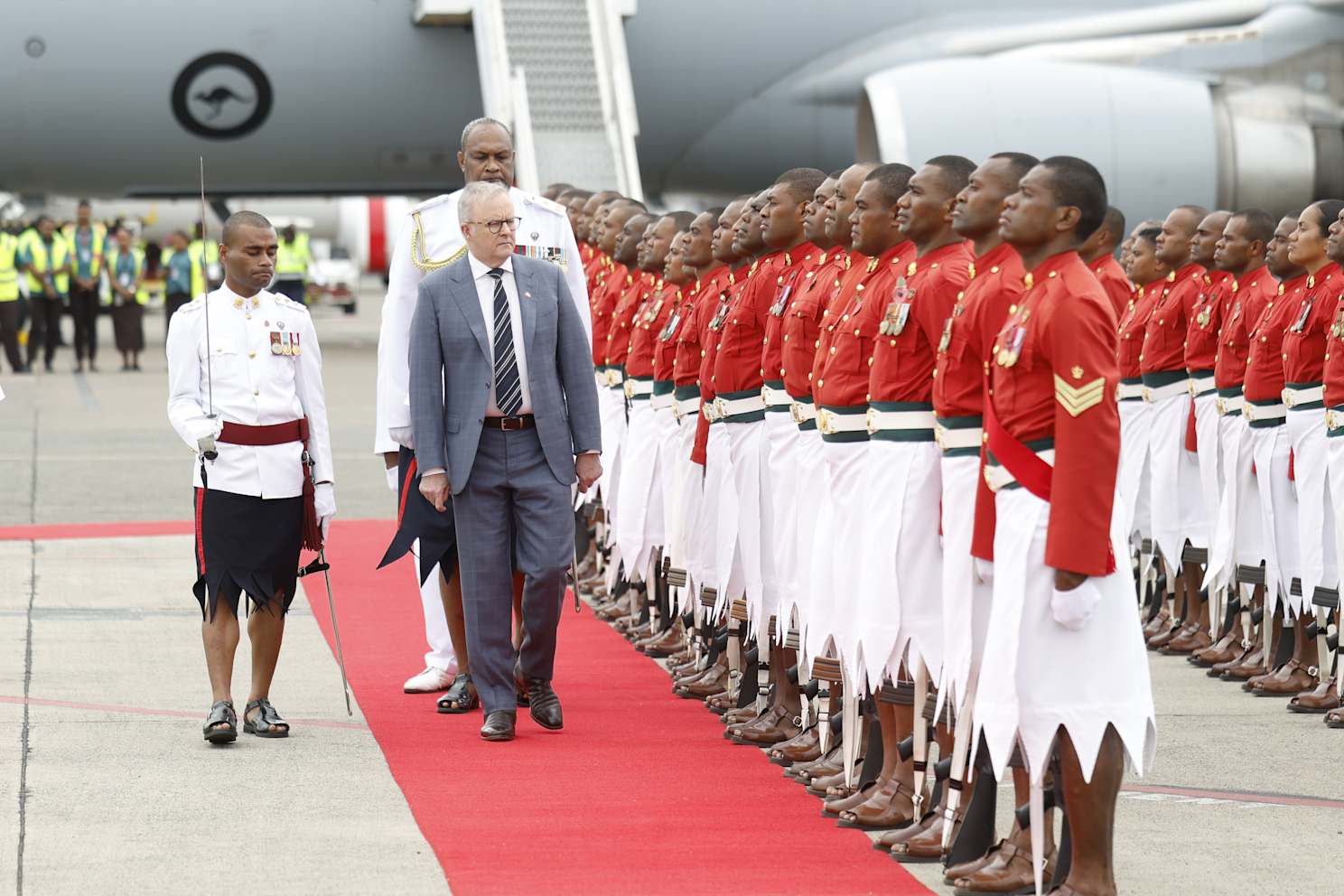
    Only two leaders from nations beyond the Pacific are attending the pre-COP meeting in Fiji this week hosted by Australia, Fiji and Tuvalu, as Climate Minister Chris Bowen insists the talks are a crucial to focussing world attention on the threat to the region ahead of next month’s UN climate conference. The Albanese government faces intense pressure to justify the cost, estimated at more than $20 million, and to live up to promises to champion the Pacific’s climate concerns on a world stage while responding to a global energy crisis and staving off accusations they are a distraction from domestic cost of living pressures. Australian Climate Change and Energy Minister Chris Bowen said Australian taxpayers’ money was being well spent. “This is our most important diplomatic engagement in the Pacific, certainly this term, probably for longer than this term,” he said in a press conference in Nadi before the talks formally began on Monday evening. Pre-COP meetings between senior officials are normally held in the weeks before annual UN ‘Conference of the Parties’ Paris Agreement talks to help narrow the agenda before leaders and ministers engage, but this year Australia invited world leaders as part of its efforts to deepen its security ties across the region. The most senior world leader who had agreed to attend was Thai Prime Minister Anutin Charnvirakul, who cancelled after heavy monsoons flooded Bangkok and other regions, triggering a national disaster response. Fourteen nations have sent leaders, although Timor-Leste and Mauritius are the only nations from beyond the Pacific and Melanesia. Albanese is representing Australia, but New Zealand’s prime minister, Christopher Luxon, is not attending as their government is currently in caretaker mode. The Pacific and Melanesian leaders at the talks come from Fiji, Cook Islands, Nauru, New Caledonia, Niue, Palau, Papua New Guinea, Solomon Islands, Tonga, Tuvalu and Vanuatu. Nations that initially accepted the invitation but did not send leaders include Antigua and Barbuda, Cabo Verde and the Maldives. In his speech at the opening of the talks, Fiji Prime Minister Sitiveni Rabuka said it was hugely significant that leaders came to the Pacific for the event, describing the world’s largest ocean not only as the “engine room” of the world’s climate, but the area facing the most significant impacts of climate change. “We asked you to come to the Pacific because some things cannot be understood from a distance. In the days ahead you will stand on Tuvalu’s shores where the climate crisis is not a forecast ... I am asking you to look at us a bellwether indicating the scale of the challenges to come.” On Tuesday, delegations will visit Tuvalu, one of the nations that faces the most immediate existential threat from climate change, a visit that Fiji’s climate minister, Lynda Tabuya, said would be crucial in bringing the threat of climate change into sharp focus. Tabuya said Fiji and the Pacific have “four non-negotiable policy pillars” in the talks, including keeping the Paris 1.5 degrees target within reach and the creation of a mechanism for the Pacific to access climate finance. “Pacific nations have contributed the least to this crisis, yet we bear its highest costs,” she said. The talks come a month after the Pacific Islands Forum in Palau at the start of September, where China’s growing influence on the region dominated discussions. Bowen had hoped that this year’s COP talks would be co-hosted with the Pacific and held in Australia, but Turkey won the right to host the talks during a diplomatic showdown in Brazil last year. During those negotiations Bowen was appointed to the newly created role of President of Negotiations at the COP, which will be held in the resort city of Antalya in November. Bowen said the relationship between Australia and Turkey was cooperative and close. “We no longer have two teams. We have one team, which happens to come from two different countries. We are working hand in glove. We are meeting daily, comparing our notes, working on challenges,” he said. Also on Monday, Bowen announced Australia would spend $7.29 million on a package to accelerate the renewables’ rollout in the Pacific, and a new agreement to support Vanuatu’s renewable energy transition. He said the package would strengthen economic and energy security across the region, putting downward pressure on prices while cutting emissions. Despite Australia’s active support for the Pacific, a gulf has emerged between the priorities of the region and those of Australia and Turkey. Pacific nations are still demanding a focus on a just transition from fossil fuels in order to stabilise the climate at 1.5 degrees of warming, while Turkey and Australia have shifted their focus from the contentious issue of fossil fuels to a push to accelerate electrification. Last month the UN’s environment program released a report confirming that the 1.5 degree target had been broken, and that world governments’ current policies put the planet on a trajectory of 2.8 degrees of warming by the end of the century. Tuvalu Climate Minister Dr Maina Talia condemned leaders of major greenhouse polluting nations for failing to attend. “It’s immoral, I would say, and it’s unacceptable,” he told The Saturday Paper, adding criticism of Australia for its continued expansion of gas and coal projects. “Being a good neighbour is doing what ought to be done, doing the right thing,” he said. “Are they good neighbours to the Pacific or not? That is a question Australia should be pondering.”

    Read more
    A New Strategic Vision For the EU’s Outermost Regions: Strengthening the Union’s Global Reach
    Policy & GovernanceSeptember 22, 2026

    A New Strategic Vision For the EU’s Outermost Regions: Strengthening the Union’s Global Reach

    Today, the European Commission adopted a Communication setting out a new strategic vision for the EU’s outermost regions - French Guiana, Guadeloupe, Martinique, Mayotte, Réunion, Saint-Martin (France), the Azores, Madeira (Portugal), and the Canary Islands (Spain). From the Atlantic to the Caribbean, the Indian Ocean and South America, the outermost regions are a unique part of the EU: rich in biodiversity, innovation, culture and of strategic importance, embodying Europe’s global presence, maritime strength and diversity. The new strategy underlines the Commission’s strong and lasting commitment to ensure that the outermost regions can fully realise their potential, with stronger support, greater resilience and fairer opportunities for their people. The Communication is accompanied by a regulatory package proposing targeted adaptations to EU legislation to better reflect the outermost regions’ unique realities and constraints. The proposals are tailored to the needs of the regions concerned and cover areas such as agriculture, forestry, fisheries, migration, and taxation. The regulatory package is intended as a first step in a continuous process, and the Commission will keep working across policy areas to ensure that the specific constraints of the outermost regions are taken into account more systematically in EU legislation and policies. Addressing the outermost regions’ challenges and unlocking their opportunities The new strategy sets out an ambitious approach across EU policies to support these regions, boost their socio-economic development and help their citizens make the most of their regions’ unique strengths and geostrategic importance. It is built around four key objectives: - Harness geostrategic potential and strengthen regional integration: Better align EU internal and external policies to deepen cooperation with neighbouring countries while boosting trade, connectivity, security, defence and maritime security. - Increase competitiveness and access to the single market: Support smart specialisation in areas where the outermost regions have clear competitive advantages such as the blue economy, renewable energy, biotechnology, research and space. The strategy will also help improve connectivity through stronger air and sea networks. - Improve resilience and preparedness: Improve climate adaptation and tackle environmental challenges including the influx of sargassum while better protecting biodiversity. The strategy will also strengthen disaster response, support energy autonomy, protect critical infrastructure like ports and submarine cables, and reinforce food security and self-sufficiency through agriculture and fisheries. - Promote social fairness and support people: Foster employment, access to education and social inclusion, reduce poverty, improve access to affordable housing, clean water and healthcare, while supporting people’s right to stay in the place they call home – particularly for young people. Alongside the targeted measures included in the regulatory package, work will continue to make EU support more responsive to the needs of the outermost regions and more coherent overall. A continued strategic engagement with outermost regions The Commission will consistently consider the Outermost Regions’ angle in the design of future Commission initiatives. The strategy aims to foster a robust partnership between the Outermost Regions, their Member States and the Commission, including through a yearly structured dialogue and a dedicated portal. In addition, a new youth project will continue empowering young people in these regions as active local actors for change. The strategy also intends to reinforce the administrative and technical capacity of these regions, enabling them to maximise the impact of EU policies, funds and programmes. A revamped advisory tool will continue providing tailored services and support for these regions’ stakeholders on EU programmes, funding instruments and tools, ahead of the Multiannual Financial Framework for 2028–2034.

    Read more
    Pentecost hydropower stations handed over to government
    Policy & GovernanceJuly 29, 2026

    Pentecost hydropower stations handed over to government

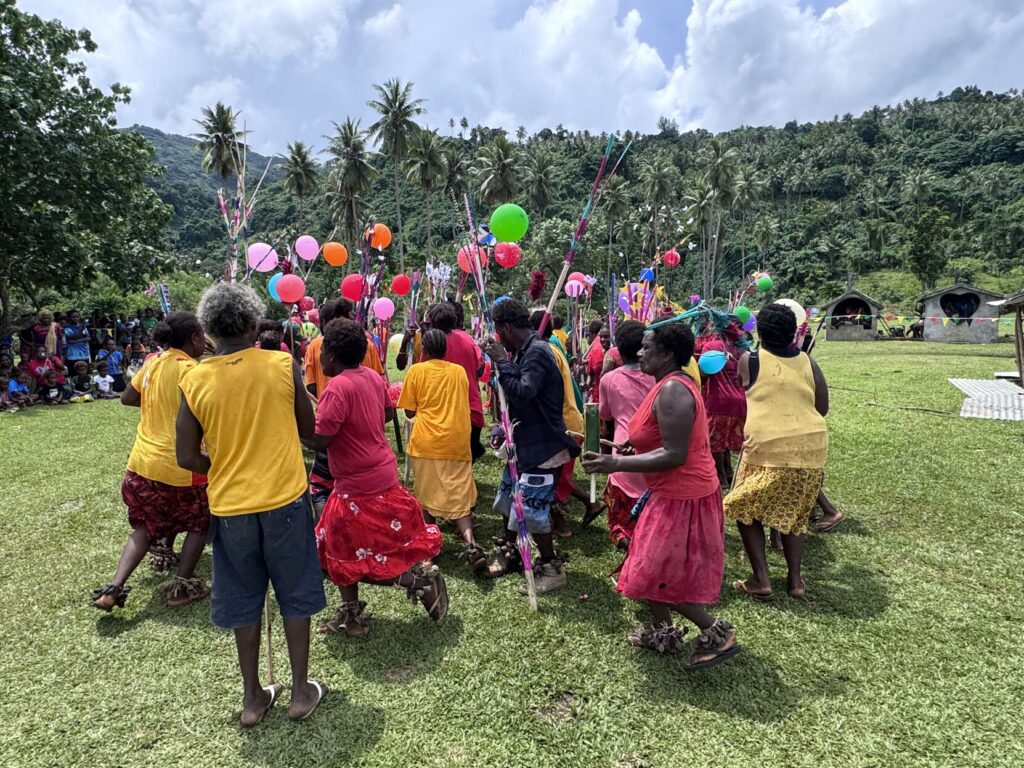
    Three Japan-funded pico-hydropower stations at Waterfall, Melsisi and Larimaat villages on Pentecost were officially launched and handed over to the Vanuatu Government yesterday. Constructed under the UNDP Vanuatu Green Transformation Project (VGET), these small systems generate electricity from flowing water. They are now delivering reliable 24/7 electricity to 706 connections across homes, businesses and public institutions connected to the mini-grid systems. Powered by the Waterfall River, the Waterfall Pico-Hydropower Station supplies electricity to 394 connections across 19 settlements. Larimaat Pico-Hydropower Station, with 6.7Kw installed capacity, provides electricity to 147 connections across four settlements. Drawing power from the Melsisi River, Melsisi Pico-Hydropower Station produces 32Kw of installed capacity and delivers electricity to 165 connections across two settlements, including Melsisi Town. These hydropower stations represent a USD4.62 investment, directly benefiting 3,274 residents and indirectly improving the lives of approximately 6,000 people across the three communities. This renewable energy infrastructure is electrifyingapproximately 16 per cent of Pentecost Island’s population, based on the 2020 Census. The three stations are offering a combined generation capacity of 63 kW and will produce approximately 549,340 kWh of electricity annually, supported by154 kWh of battery storage, providing a maximum available annual energy of 604,785 kWh. The project also included the construction of approximately 34 kilometers of electrical distribution network. The installation of prepaid metering systems helps ensure the long-term sustainability and reliability of the electricity services.

    Read more
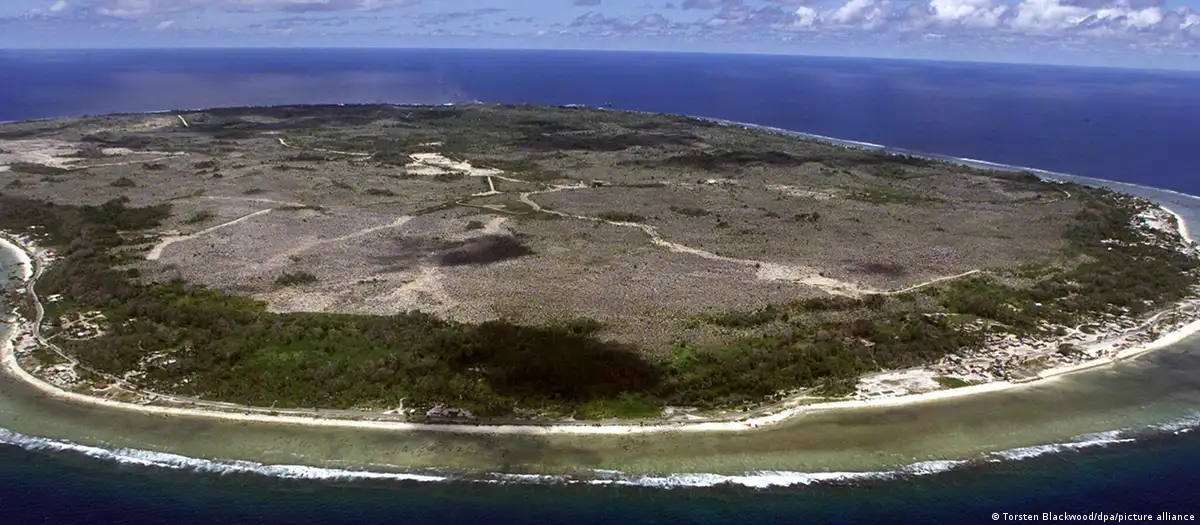
    Nauru's New Name: A Break From Its Colonial Past
    Policy & GovernanceMay 21, 2026

    Nauru's New Name: A Break From Its Colonial Past

    Excerpt and Photo credit: dw.com The tiny Pacific island nation of Nauru will hold a referendum over a government decision to change its official name. The Nauruan parliament on Tuesday passed a constitutional amendment to rename the country "Naoero," New Zealand broadcaster RNZ reported, as the government looks to shed what it sees as a relic from the tiny nation's colonial past. The referendum is required to validate the constitutional change. President David Adeang first tabled the proposal in January.

    Read more
    Canada’s Arctic security depends on more than defence — here’s how immigration could help
    Policy & GovernanceMay 21, 2026

    Canada’s Arctic security depends on more than defence — here’s how immigration could help

    Excerpt from news.mongabay.com As winter comes to the Canadian Arctic, muskoxen (Ovibos moschatus) abandon the valleys and head to higher ground, where winds sweep away the snow. That’s where we go to find them, Allen Niptanatiak, chairman of the Kugluktuk Hunters and Trappers Organization, tells Mongabay in a video call. The Inuit harvesters focus on culling the younger cows and bulls, leaving the breeding animals alone. It takes a couple hours to skin, butcher and load up the sleds, the older and younger generations working together in -30° Celsius to -35°C (-22° Fahrenheit to -35°F), weather that is “just perfect,” says Niptanatiak, an Inuk hunter and trapper from Nunavut, who is also a retired conservation officer. “Then we eat and have a big meal and just enjoy it and talk and say, ‘Oh, this is a blessing,’” he says. Muskoxen are an integral part of Arctic ecology and, with their thick shaggy coats, are synonymous with the Far North. Nearly driven to extinction by commercial hunting in the early 1900s, surviving in just a few pockets in Canada, they began to recover following a 1917 hunting ban. By the 1990s, the Canadian population was estimated at 108,600. About 70% of the Canadian population was on Victoria and Banks islands, in Canada’s Arctic Archipelago — large islands with a combined area of nearly 290,000 square kilometers (12,000 square miles), about the size of Italy.

    Read more
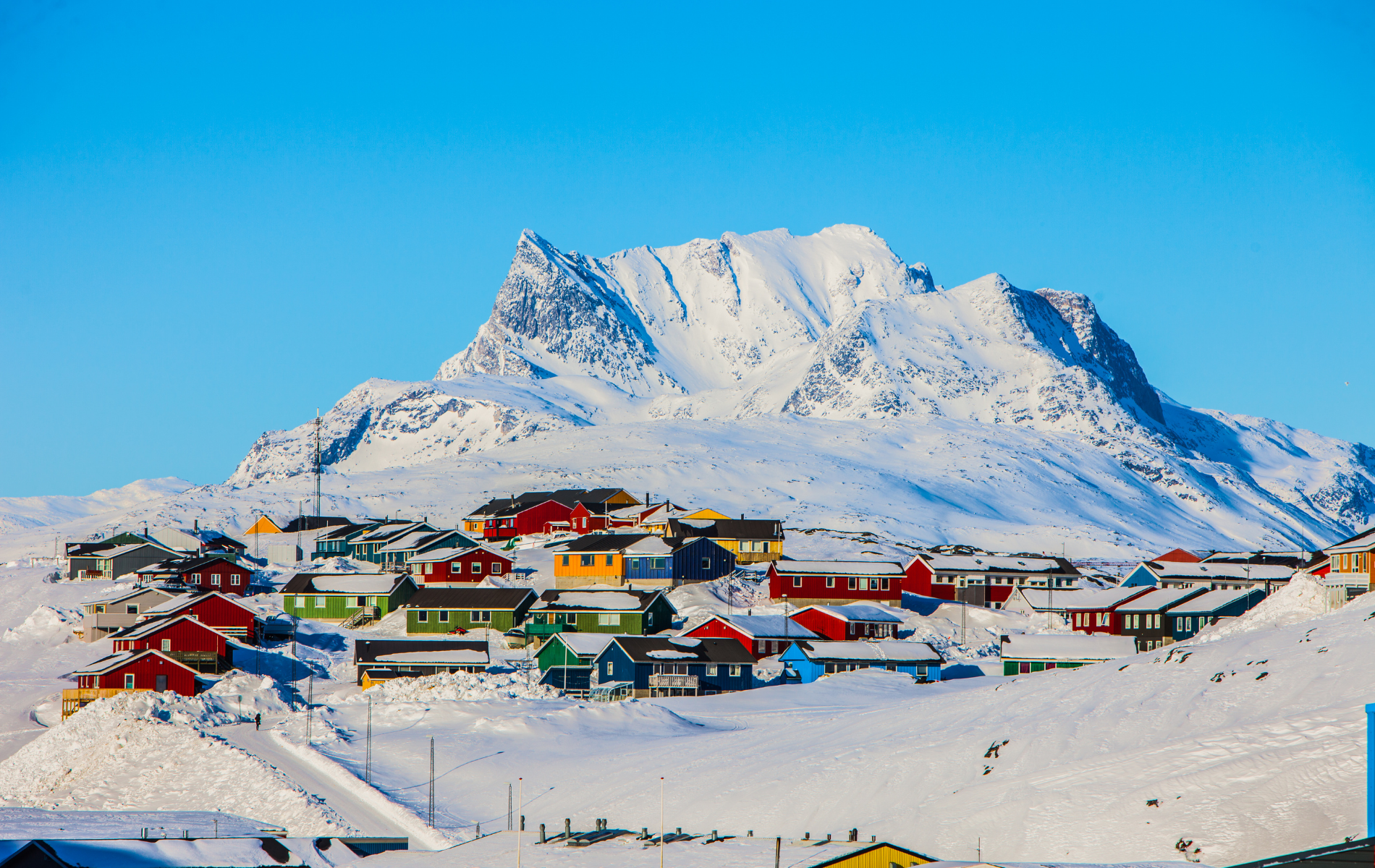
    Greenland and the New Frontier of Eco-Geopolitics
    Policy & GovernanceMay 12, 2026

    Greenland and the New Frontier of Eco-Geopolitics

    Excerpt from fairobserver.com As the Arctic ice diminishes, Greenland evolves from a “peripheral” region to a focal point in international affairs. It is progressively recognized as a contested area of strategic significance. Previously an inaccessible, icy territory, Greenland now holds a central role in the security considerations of Washington, Brussels, Beijing and Moscow.  Greenland is not just entering global politics — it is reshaping it. Greenland’s rising geopolitical significance Beneath its ice lie vital minerals indispensable to tech-driven economic development and defense infrastructures. Concurrently, Arctic thawing offers potentially new maritime routes, military corridors and other strategic advantages. For the US, reducing dependence on China’s dominance in rare-earth processing has become a national security priority. For China, the Arctic represents an extension of its “Polar Silk Road,” a space for future trade and influence. Russia, meanwhile, is expanding its Arctic military capabilities and seeking control over northern sea routes. For NATO member countries on both sides of the Atlantic, the Arctic has been a vital military buffer since the Second World War.

    Read more