VIS 2026VIS 2026 — Virtual Island Summit|Also: GSIS 2027GSIS 2027
Island Innovation Logo
About
Services
The Network
Events
Content Library
Contact Us

Subscribe to our newsletter. By submitting, you agree to our Privacy Policy.

Island Innovation

Island Innovation works with governments, institutions, and partners worldwide to support island-led sustainable economic development.

We Support The UN Development Goals

SDG 9: Industry, Innovation and Infrastructure
SDG 11: Sustainable Cities and Communities
SDG 12: Responsible Consumption and Production
SDG 13: Climate Action
SDG 14: Life Below Water
SDG 17: Partnerships for the Goals

Explore

AboutServicesNetworkEvents

Content

ArticlesNewsCareers

Ready to Connect?

Join the island innovation community

Get in Touch

About

  • About us
  • Case Studies
  • FAQs
  • Press
  • Careers
  • Contact

Services

  • Services Overview
  • Public & Media Relations
  • Strategic Communications

Network

  • The Island Network
  • Academic Council
  • Newsletter

Events

  • Our Events
  • Watch Past Events

Content

  • All Content Library
  • Videos
  • Articles
  • News
Privacy PolicyTerms of ServiceContactManage email preferences

© 2025 Island Innovation. All rights reserved.

    News

    Curated stories and analysis from islands and sustainability leaders worldwide.

    Filter by Core Theme

    All ThemesCircular EconomyClimate ActionConnectivity & DigitizationCulture & CommunityEnergy & TransportGreen Finance & EconomyOcean & BiodiversityPolicy & GovernanceTourism & Remote WorkWater & Food
    Showing 9 of 111 news items in Tourism & Remote Work
    Visitor Caps Coming to Majorca This Summer to Address Overcrowding and Protect Natural Resources
    Tourism & Remote WorkMarch 11, 2026

    Visitor Caps Coming to Majorca This Summer to Address Overcrowding and Protect Natural Resources

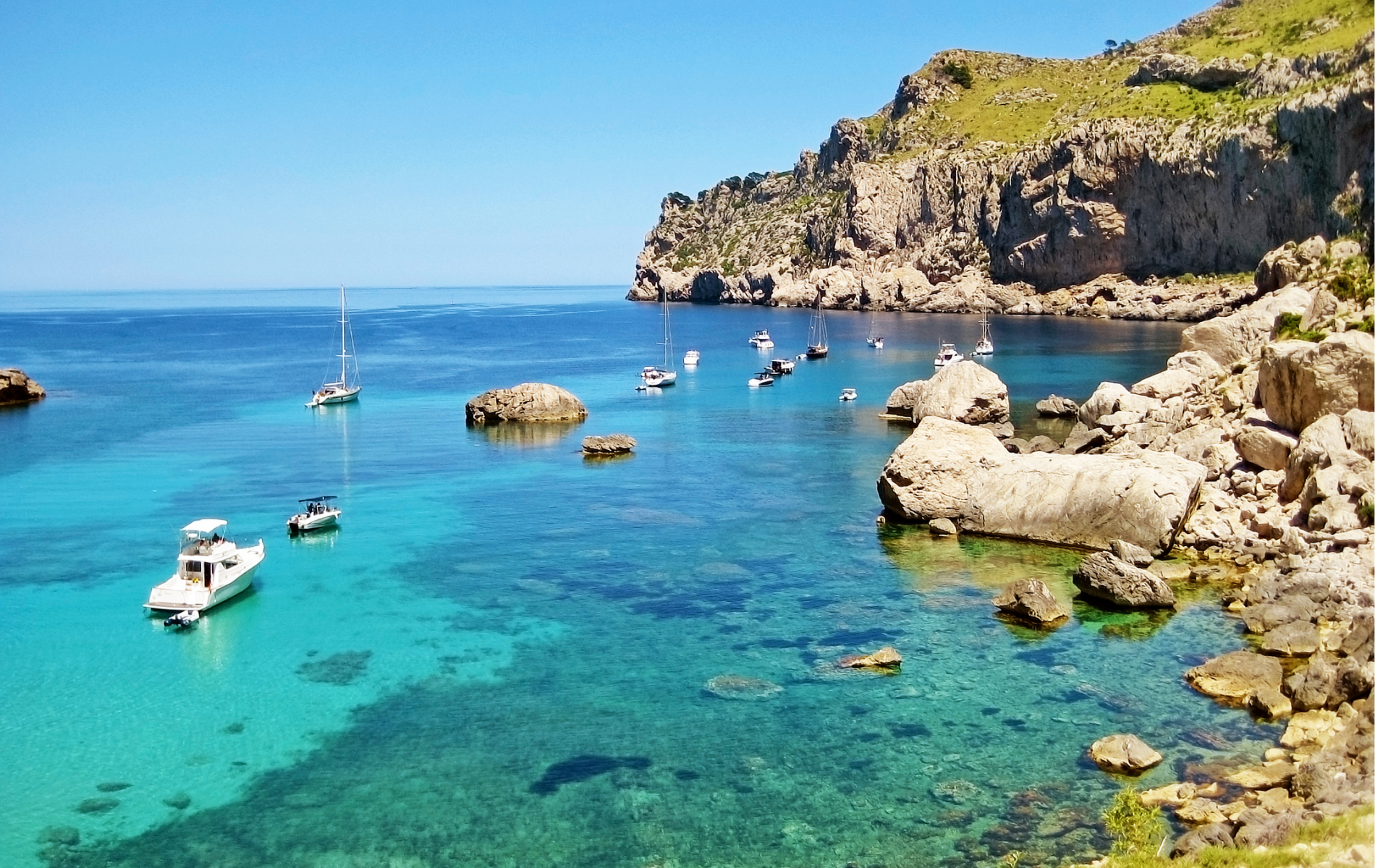
    Excerpt from travelandtourworld.com Majorca, one of Spain’s most beloved holiday destinations, is set to introduce a cap on tourist numbers for the upcoming summer season. The new limits, which will be implemented across the island’s most popular spots, aim to address the growing concerns over overcrowding, environmental degradation, and the long-term sustainability of the island’s tourism industry. Majorca, renowned for its crystal-clear beaches, charming villages, and vibrant culture, has long been a top choice for British tourists. However, the influx of visitors has led to pressures on the island’s infrastructure, natural resources, and local communities. As the island braces for another busy summer, the introduction of these visitor limits represents a strategic move to balance the needs of tourism with environmental preservation and quality of life for residents.

    Read more
    12345678910
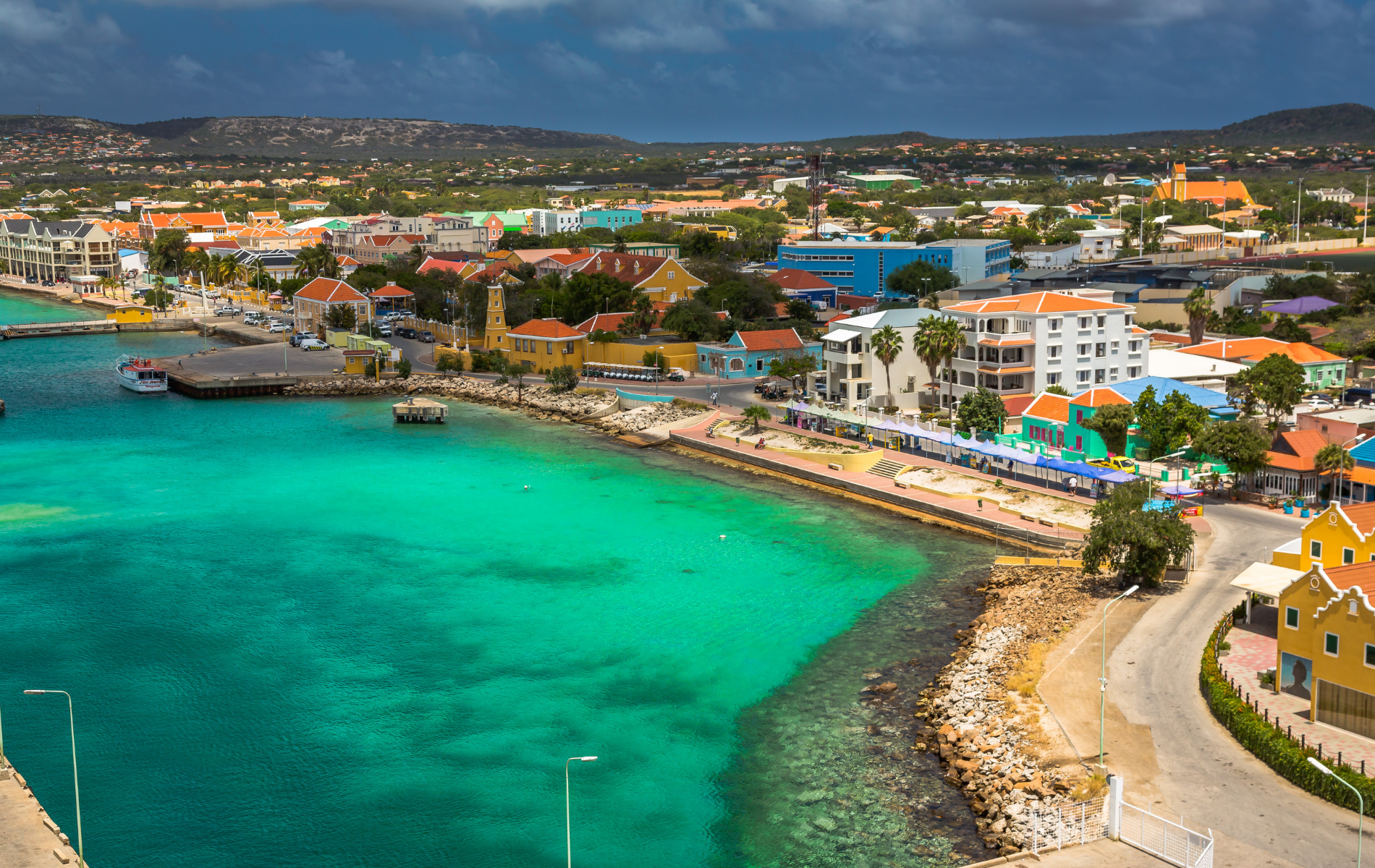
    Bonaire Tourism Says It’s Looking to Shift From “Quantity to Quality”
    Tourism & Remote WorkMarch 11, 2026

    Bonaire Tourism Says It’s Looking to Shift From “Quantity to Quality”

    Excerpt from caribjournal.com Tourism officials and industry leaders on Bonaire are signaling a shift in strategy for the island’s tourism sector.

    Read more
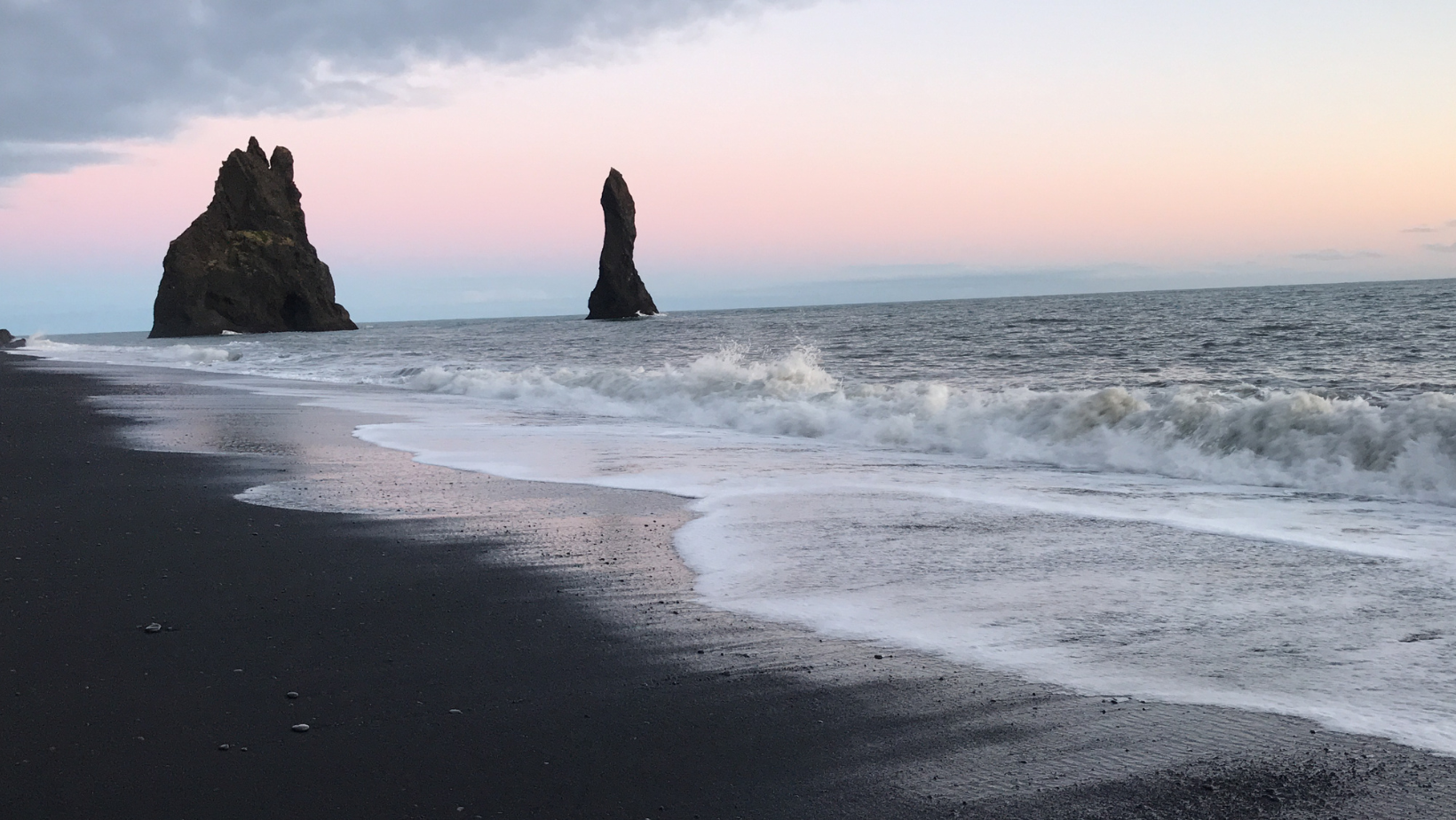
    Iceland’s iconic black sand beach is vanishing in a shocking transformation; here’s why
    Tourism & Remote WorkFebruary 25, 2026

    Iceland’s iconic black sand beach is vanishing in a shocking transformation; here’s why

    Excerpt from timesofindia.indiatimes.com Iceland’s famous black sand beach has always felt a little unreal. Dark as charcoal and framed by cliffs. Pounded by Atlantic waves that don’t play nicely. For years, travellers have stood on the shore at Reynisfjara Beach, staring at its basalt columns and snapping photos that barely look real. It’s one of those places that seems permanent. And yet, in a matter of weeks, much of that iconic black sand appears to have vanished. Swept away and dragged into the North Atlantic, as cited by Arcticportal.org

    Read more
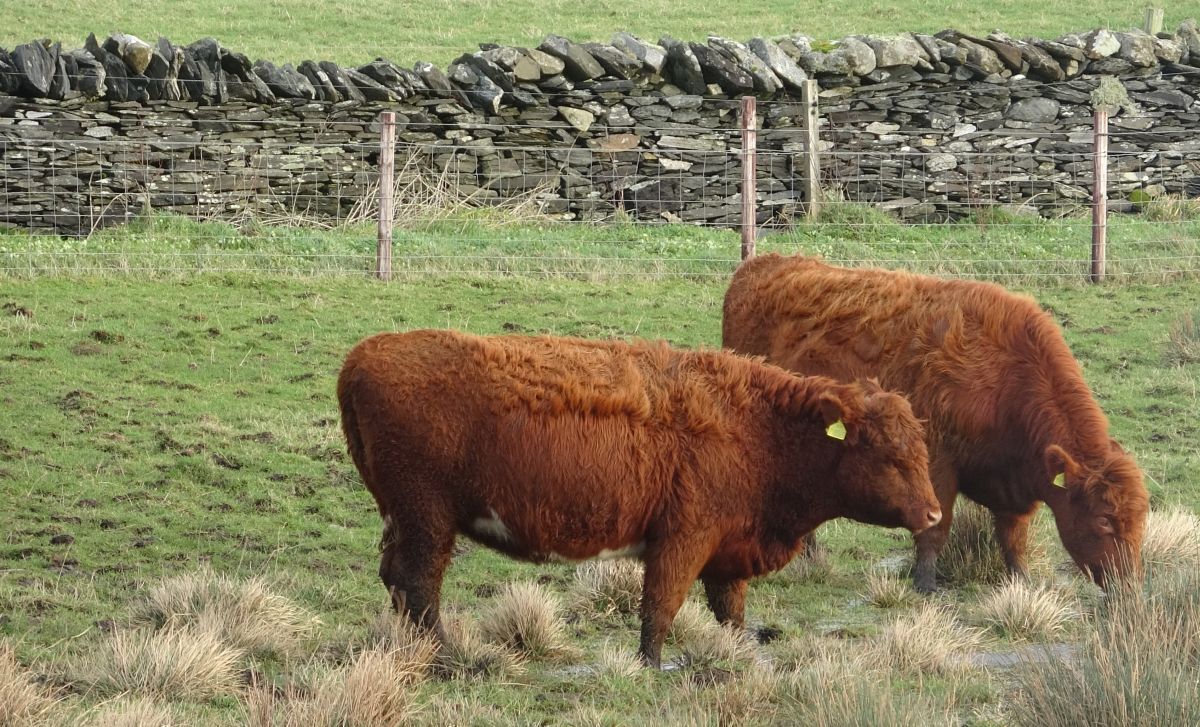
    Cattle dung keeps winter tourism alive on Luing
    Tourism & Remote WorkJanuary 25, 2026

    Cattle dung keeps winter tourism alive on Luing

    Excerpt from westcoasttoday.co.uk Photo credit: Fieldsports via westcoasttoday.co.uk Pasture grazed by the distinctive Luing cattle attracts large numbers of woodcock and snipe each winter and with the island seldom freezing because of the warm Gulfstream currents that flow past it, cowpats break down and become rich feeding grounds for worms and insects, drawing in migrating birds from across Europe. The story of how traditional island farming, wildlife and rural tourism can work hand in hand is being told in a new film made for Fieldsports TV channel (www.fieldsportschannel.tv/) showing how something as ordinary as cattle dung can underpin wildlife, attract winter visitors and help sustain families on one of Scotland’s Atlantic islands. Each winter, the Hebrides become a refuge for Britain’s migratory woodcock and snipe population, with birds pushed west by colder conditions on the continent. On Luing, those birds concentrate on cattle-grazed land, where marks where they have dug into in the dung show just how intensively they are feeding. Because of the birds’ hunger for insects in the dung the island’s farming family, the Cadzows, offer walked-up snipe and woodcock shooting during the quieter winter months — bringing visitors and income at a time when tourism would otherwise slow dramatically. Luing gamekeeper Darren Smith, who manages shooting on the island, says: "You start to see a lot of snipe here. The birds are feeding hard, and the ground really works for them.” The additional winter income has helped the farm invest in self-catering accommodation, including luxury holiday cabins, which are let to shooters in winter and holidaymakers in summer.

    Read more
    How Climate Recovery Is Creating New Paths To Work Across Caribbean Tourism
    Tourism & Remote WorkJanuary 16, 2026

    How Climate Recovery Is Creating New Paths To Work Across Caribbean Tourism

    Excerpt and Photo Credit: forbes.com On Virgin Gorda recovery doesn’t announce itself. It unfurls quietly in the return of sailboats cutting across the harbor, in beach bars reopening without fanfare, and in workers who never fully left even when the island was stripped down to essentials. Years after Hurricanes Irma and Maria devastated much of the British Virgin Islands’ tourism infrastructure, Virgin Gorda has emerged as a case study on how to rebuild an economy without hastening the process. The island didn’t just reopen. It recalibrated—quietly, deliberately—around the people whose livelihoods depend on tourism continuing to work.

    Read more
    Island Games boosted Orkney's economy by £4m
    Tourism & Remote WorkJanuary 7, 2026

    Island Games boosted Orkney's economy by £4m

    Excerpt and Photo Credit: bbc.com The 20th International Island Games held in Orkney this summer boosted the local economy by £4m, a report has confirmed. The event, held over six days in July, cost £3.6m to stage and involved 1,630 athletes from 24 island communities. They competed in 12 sports. It was the largest event ever hosted by the Orkney community of 22,000 people and involved 1,027 local volunteers. Orkney made history as the smallest island to have hosted the Games, welcoming a record number of visitors for a single event - a total attendance of at least 63,336.

    Read more
    New Pipes, Bigger Port: Is La Graciosa Building for Its Residents or Its Visitors?
    Tourism & Remote WorkOctober 6, 2026

    New Pipes, Bigger Port: Is La Graciosa Building for Its Residents or Its Visitors?

    Every September 15, Lanzarote is recognized in Mancha Blanca. The island stops before the image of Our Lady of the Volcanoes and relives a tradition that was born in one of the most dramatic moments in its history, when the eruptions of 1730 to 1736 transformed the territory forever, buried villages, farmland, and roads, and forced its inhabitants to live with fire for years. Devotion to the Virgin of Sorrows has been linked since then to that volcanic memory, and over time the celebration became one of the great collective expressions of Lanzarote's identity.  Tradition attributes the halting of the lava flows that threatened Tinajo to the Virgin's intercession and tells how the neighbors, faced with the advance of the lava, went in procession towards the Mancha Blanca area. The promise to build a hermitage if the danger ceased is part of that memory passed down through generations. Historical documents allow us to place a request from the residents of Tinajo as early as 1735 for Our Lady of Sorrows to act as a mediator against the eruptions, while local tradition places the first celebration of the festival on September 15 in 1736. It is not necessary to turn faith into a scientific explanation to understand its importance: that episode ended up becoming part of the emotional memory of an entire island.  And perhaps that is why September 15 offers an opportunity that goes beyond celebration. It is not just about looking towards Mancha Blanca, admiring the patron saint, and expressing our devotion. It is also a perfect day to stop, look up, and observe Lanzarote. To ask ourselves what island we have built, where we are taking it, and what we want to preserve of it when those of us who inhabit it today are no longer here.  Because Lanzarote has once again entered a stage of transformation. This time it is not the volcano that is modifying the territory. It is us.  For decades, the island went from an economy marked by agriculture, fishing, and scarcity to becoming one of the main tourist destinations in the Canary Islands. The landscape that previously seemed like a difficulty became one of its greatest assets. Architecture, territorial protection, the absence of certain urban planning models, and the uniqueness of its natural spaces built an image that ended up becoming a powerful international attraction.    The problem arises when success begins to endanger what made it possible.  The summer of 2026 has left some indicators difficult to ignore. In July, César Manrique-Lanzarote airport exceeded 800,000 monthly passengers for the first time, with 800,545 movements. Housing continued to become more expensive, reaching an average of around 3,208 euros per square meter across the island in June, while tourist rentals, although down from the previous year, still represented a considerable presence. Added to this are the structural difficulties the island faces in terms of water, energy, mobility, waste, and sanitation.    These are not isolated problems. They are part of the same equation.  The issue can no longer be framed exclusively in terms of how many tourists we want to receive. The most important question is what capacity Lanzarote has to sustain the economic model we have built without deteriorating the conditions that make daily life possible for its inhabitants and without consuming the natural heritage that attracts visitors.  And nowhere is this question more evident than in La Graciosa.  The eighth island, officially recognized as such since 2018, remains administratively integrated into Lanzarote and the municipality of Teguise. Barely just over 700 people reside permanently on it, but its human dimension contrasts with extraordinary tourist pressure. Caleta de Sebo port registered 595,461 passengers during 2025, a figure that allows us to understand the magnitude of the phenomenon, although it does not equate to the number of unique visitors or the people simultaneously present on the island.  Almost 600,000 passengers per year for a permanent community of just over 700 inhabitants forces us, at the very least, to ask questions.  La Graciosa is not attractive because it has large infrastructure. Quite the opposite is true. Its value lies, to a large extent, in what it does not yet have: large hotels, conventional urban traffic, shopping centers, a network of paved roads that cross the entire island, or a complete transformation of its landscape. Its charm lies in its scale, its tranquility, its nature, its sense of isolation, and a way of life that still retains characteristics difficult to find elsewhere.  Therein lies one of the great contradictions of the current moment: the more tourist success La Graciosa has, the greater the need to provide it with adequate services; but the more is built to respond to that success, the greater also the risk of altering what makes visitors want to come.  The history of the island's protection shows that this concern is not new. In 1986, the Canary Islands declared the Natural Park of the Northern Islets of Lanzarote and the Famara Cliffs, incorporating La Graciosa into a framework of protection that sought to reconcile conservation with traditional uses and the rights of its inhabitants. In 1993, Lanzarote was declared a Biosphere Reserve by UNESCO, and in 1995, the Marine Reserve of Fishing Interest of La Graciosa and the northern islets of Lanzarote, with approximately 70,700 hectares of protected marine surface.  It is significant that marine protection was also related to the demands and concerns of the fishing sector itself. Protecting did not necessarily mean expelling traditional activity, but rather trying to guarantee its future.  In 2006, the Master Plan for the Use and Management of the Chinijo Archipelago Natural Park was approved, designed to regulate coexistence between conservation, traditional uses, and human activity. Subsequent problems arising from the situation of this planning have contributed to difficulties in regulating certain actions and in providing a coherent response to the island's new needs.    Meanwhile, basic needs have continued to grow.  One of the most evident examples is sanitation. For years, solutions progressed with difficulty, and some projects were paralyzed or had to be rethought. In 2024, the Government of the Canary Islands itself recognized the seriousness of the situation and initiated exceptional procedures to make a solution possible. In January 2025, the supply and sanitation works were declared of regional interest, with the regional government assuming responsibility for driving their execution.  In 2026, planning includes a sanitation network, pumping stations, water treatment, reuse, and sludge management. Regional budgets include one million euros for the sanitation of La Graciosa. We are not, therefore, facing infrastructure designed to encourage tourism growth. We are facing a basic necessity that should have been resolved much earlier and whose absence poses an environmental and health threat to a particularly vulnerable territory.    Something similar is happening with water.  The existing pipeline, installed between 1996 and 1997, has limitations when occupancy reaches its maximum levels and has suffered breakdowns. In 2026, a new pipeline has been put out to tender for 3.88 million euros, with approximately 1,220 meters of submarine section and another 1,100 meters on land. It is essential work to guarantee future supply.    But it is also worth asking what exactly that future means.  Because supplying La Graciosa better is an obligation to its residents. And guaranteeing sufficient water during periods of maximum occupancy also responds to a tourism reality that cannot be ignored. The question is whether the new infrastructures will serve to correct existing deficits and guarantee basic rights or if, indirectly, they will end up allowing pressure to continue growing without a clearly established limit.  The blackout suffered by La Graciosa in August 2026 showed the extent to which essential systems are connected. More than twelve hours without electricity also meant interruptions in the water supply, as pumping depends on electrical energy. The experience highlighted a vulnerability that cannot be resolved solely by increasing the capacity of existing infrastructure. The energy community El Sol de La Graciosa has precisely raised the need for solar generation and battery storage to guarantee essential services such as water supply, the health center, telecommunications, sanitation, or facilities linked to fishing.  Innovative solutions are also being studied, such as the possibility of incorporating a solar-powered desalination plant within the European ICONIC project. The objective seems clear: to reduce the dependence and increase the resilience of a territory that, due to its insular condition, cannot afford for an energy failure to become a general emergency.  The port of Caleta de Sebo represents another piece of this same puzzle. In 2026, the renovation of its esplanade has been unlocked, with an investment of over one million euros, to improve pavements, accessibility, circulation, and separation between pedestrians and vehicles, in addition to facilitating access to the jetties. The action can notably improve the conditions of residents and workers and organize a space subjected to increasing pressure.  But again, the underlying question arises: does ordering the pressure mean making it sustainable or simply making its growth more efficient?  The difference is not minor.  Because we could be making tourist pressure sustainable instead of making La Graciosa sustainable.  The answer requires talking about carrying capacity. Not as another technical expression within an administrative document, but as the true limit that should determine the island's future. How many people can La Graciosa receive in a day without water, sanitation, waste management, mobility, and natural spaces being overwhelmed? How many people can be concentrated simultaneously in its most sensitive areas? How many vehicles can circulate on its tracks without deteriorating them? How many boats can anchor? What pressure can the Marine Reserve withstand? How much water can be consumed? And, above all, what number of visitors allows for the preservation of the experience they are precisely seeking?  Playa Francesa has already emerged as one of the examples where tourist capacity may have been exceeded. If a natural space needs restrictions to prevent its degradation, we are not facing a tourism failure. We are facing the need to govern it.  That should be one of the great debates of Lanzarote.  It is not about pitting residents against visitors. Nor is it about demonizing an economic activity on which a large part of the island's prosperity depends. It is about asking ourselves what tourism model we want and what part of the wealth it generates should return to the services that allow life to be sustained on the island. Water, housing, energy, transport, sanitation, waste, healthcare, education, security, and environmental conservation are not independent issues from tourism. They are the conditions that make the destination function.  And there is another issue that should not be forgotten: tourism sells precisely what it risks destroying.  It sells landscape, tranquility, nature, authenticity, space, and uniqueness. If to receive more and more people we need to progressively transform these attributes, we may end up building an island better prepared to receive visitors and less attractive to them.  Lanzarote has already shown that it knows how to transform its territory. It did so under the force of the volcanoes and, decades later, through a collective decision to make the landscape an essential part of its identity. The transformation we now face is different. It will not be accompanied by lava or smoke. It will come through budgetary decisions, urban planning, hydraulic works, ports, roads, housing, energy facilities, and visitor numbers.  It will be less spectacular than an eruption, but its consequences can be equally profound.  That is why September 15th can be more than just a date on the calendar. It can be a day to look at our history and, at the same time, look at ourselves. To remember that our ancestors had to adapt to an island that was changing before their eyes and that we now have the responsibility to decide what changes we are willing to accept.  La Graciosa is at a crossroads. One path leads to an increasingly well-equipped island, but subjected to growing pressure. The other demands the use of these infrastructures to first guarantee the lives of its inhabitants, protect its resources, and establish clear limits to growth when necessary.  These are not two entirely incompatible paths. The difficulty lies in determining where one ends and the other begins.  The real test will come when we have to decide not how much we can build, but how much we are willing to limit.

    Read more
    Norwegian Arctic Island of 25 Residents Turns to Tourism to Rebuild Its Community
    Tourism & Remote WorkSeptember 28, 2026

    Norwegian Arctic Island of 25 Residents Turns to Tourism to Rebuild Its Community

    For centuries, this tiny Norwegian island sheltered fishermen from violent seas. Now one woman is using tourism to revive it – and offer travellers refuge from modern life. The day before I travel to Støtt, a Norwegian archipelago just north of the Arctic Circle, an artist tells me a local legend about fishermen caught in the grip of vicious winter storms. "Sometimes, everyone drowned," he says. "But sometimes, an island rose out of the mist, like magic, to save you." For generations, Støtt was a refuge. Fishing boats blown off course in the Norwegian Sea could shelter here, while a trading post on Innerstøtt, the largest of Støtt's three inhabited islands, supplied fishermen heading north to the rich Arctic cod grounds of Lofoten.  Today, that trading post is home to Støtt Brygge, a hotel run by Eva Ann Andersen, whose family has owned it since 1897. Andersen believes the island can offer a different kind of refuge now: not from violent seas, but from stress, overwork and modern urban life. She knows something about that herself. Andersen grew up on Støtt before moving to Oslo in her twenties and building an international corporate career. In 2011, exhausted, she returned to the island to recover – and saw new potential in the place she'd left behind. The story of islands rising out of the sea occupies my mind as I take the coastal ferry to Støtt, watching the island gradually appear from the rainclouds. To get here, I'd flown into Bodø, where a lone conveyor belt serves the airport and the ferry terminal sports posters asking passengers to report whale sightings. As the city disappears behind me, grey sea and low cloud heavy with drizzle takes over. Every so often, craggy rocks loom out of the mist. After an hour, Støtt finally appears: low-lying granite, red cabins and tall cod-drying racks rising out of the spray. To the west, there's nothing between here and Greenland but open ocean. It's hard to imagine now, but Støtt was once one of the busiest stopping points on Norway's northern fishing route. Today just a handful of people live here year-round. After meeting me at the ferry, Andersen and I walk to the hotel, where passing fishermen and sailors once stopped to resupply. The hotel also encompasses a pair of classic red fishermen's cabins, a restored storehouse and a pale-yellow bakery building. We head upstairs to its small fishing museum, whose black-and-white photographs and weathered nets tell the story of the island's heyday, when fishermen would shelter here from storms, restock their boats and wait for calmer seas. "Fishermen used to come up to fish for Arctic cod in Lofoten in winter," Andersen said, referencing the string of islands that lie like dark cut-outs on the horizon to the north. "The shop was an important place back then. Fishermen came here to buy fishing equipment, bread, sugar and flour – and to have a drink – before continuing their journeys north." She points out a black-and-white photo of her grandfather standing in a wooden boat, ankle-deep in large silver fish; elsewhere an old film shows men in small wooden boats hauling in huge catches of herring. Downstairs in the restaurant, historical posters and ledgers line the walls while the old shop counter serves as the bar. Later, in my room in the island's saffron-coloured former bakery, I'm charmed by the lace curtains and framed newspaper cuttings showing men mending nets on the floor of an old fishing hut, hand-rolled cigarettes squashed in the corner of their mouths. But the museum feel is mixed with more modern comforts: Lofoten Seaweed products in the bathroom and snow-white sheepskins scattered across the dove-grey bedroom floor. Andersen has witnessed much of Støtt's decline. From the 1980s, innovation in the fishing industry brought larger, safer boats and trawlers, meaning fishermen no longer needed to stop at trading posts like Støtt en route. The small-scale fishing industry collapsed, and the island's population fell from around 120 people to just 25 permanent residents today. "Nobody believed I would stay," she says of her decision to return in 2011. "But I carried hope when I came back." In the afternoon, Andersen takes me on a bike tour around Støtt, cycling along quiet roads beside pretty holiday cottages and homes. There's only one shop, which sells the bare basics for holidaymakers to stock their cabins. To the north, the mountainous islands rise above the churning navy-blue sea. We continue to a former German coastal fort, one of Støtt's most striking historical features. Once home to around 200 soldiers, the complex includes concrete bunkers and tunnels built into the hillside after the island was occupied in 1941, along with an underground hospital, ammunition stores and gun emplacements. Andersen, however, is focused firmly on the future. As we ride, she tells me she hopes Støtt can once again become a refuge – this time for travellers looking to escape the pace of modern life. "A lot of people want this off-the-beaten-track feeling," she says. "It's about connection to land and meeting local people." To appeal to those travellers, Andersen has expanded the hotel's activities to include kayaking trips, Arctic sauna sessions, RIB boat excursions to Svartisen glacier and dinner in one of the World War Two tunnels. She is also converting the island's old fish factory into luxury suites, hoping to attract more international visitors while creating year-round work for locals. We stop at the top of the bunker complex to take in the view, and as if on cue, a white-tailed sea eagle soars into view, then wheels back down into the valley where it emerged. I'm still awestruck as we head back to the hotel for lunch, where Andersen's daughter Benedicte joins us. Back from Oslo, where she's studying for the summer, she's in no doubt about why people love visiting Støtt. "You can't beat the nature here. Oslo has so much stress, but here there is a Zen mode. You don't think about going to the gym, just going outside and seeing the mountains is enough," she says. I later watch her leading a kayaking group through the turquoise water, past pale sandy beaches around the skerries close to shore. I walk along a quiet beach looking at shells and white coral in the sand. Mountains stand out like inkblots in the far distance, and the only noise beyond the splash of kayak paddles is the sound of birds on the wind.

    Read more
    Tourism, politics, and why every resident should pay attention
    Tourism & Remote WorkMay 7, 2026

    Tourism, politics, and why every resident should pay attention

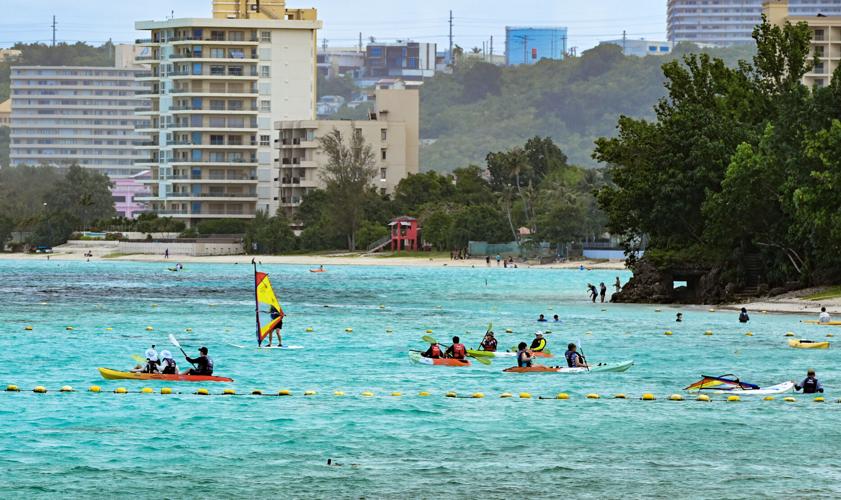
    Excerpt from guampdn.com Tourism is often described as a private sector industry driven by hotels, airlines, tour operators, and restaurants. While that is certainly true, it is only part of the story. The reality is that tourism does not exist in isolation. Tourism thrives or struggles depending on the political environment surrounding it. For Guam, this relationship between tourism and politics is especially important. Tourism has long been one of Guam’s primary economic engines. Thousands of residents depend on the industry for employment, and many local businesses rely on visitor spending to survive. Tourism also generates tax revenue that helps fund public services such as education, public safety, health care, and infrastructure improvements, benefiting the entire community. In short, tourism supports far more than hotels and restaurants. It supports livelihoods, small businesses, government services, and the island’s economic stability.

    Read more