VIS 2026VIS 2026 — Virtual Island Summit|Also: GSIS 2027GSIS 2027
Island Innovation Logo
About
Services
The Network
Events
Content Library
Contact Us

Subscribe to our newsletter. By submitting, you agree to our Privacy Policy.

Island Innovation

Island Innovation works with governments, institutions, and partners worldwide to support island-led sustainable economic development.

We Support The UN Development Goals

SDG 9: Industry, Innovation and Infrastructure
SDG 11: Sustainable Cities and Communities
SDG 12: Responsible Consumption and Production
SDG 13: Climate Action
SDG 14: Life Below Water
SDG 17: Partnerships for the Goals

Explore

AboutServicesNetworkEvents

Content

ArticlesNewsCareers

Ready to Connect?

Join the island innovation community

Get in Touch

About

  • About us
  • Case Studies
  • FAQs
  • Press
  • Careers
  • Contact

Services

  • Services Overview
  • Public & Media Relations
  • Strategic Communications

Network

  • The Island Network
  • Academic Council
  • Newsletter

Events

  • Our Events
  • Watch Past Events

Content

  • All Content Library
  • Videos
  • Articles
  • News
Privacy PolicyTerms of ServiceContactManage email preferences

© 2025 Island Innovation. All rights reserved.

    News

    Curated stories and analysis from islands and sustainability leaders worldwide.

    Filter by Core Theme

    All ThemesCircular EconomyClimate ActionConnectivity & DigitizationCulture & CommunityEnergy & TransportGreen Finance & EconomyOcean & BiodiversityPolicy & GovernanceTourism & Remote WorkWater & Food
    Showing 9 of 99 news items in Water & Food
    ʻUlu On The Up: Hawaiʻi Breadfruit Production Keeps Booming
    Water & FoodSeptember 17, 2026

    ʻUlu On The Up: Hawaiʻi Breadfruit Production Keeps Booming

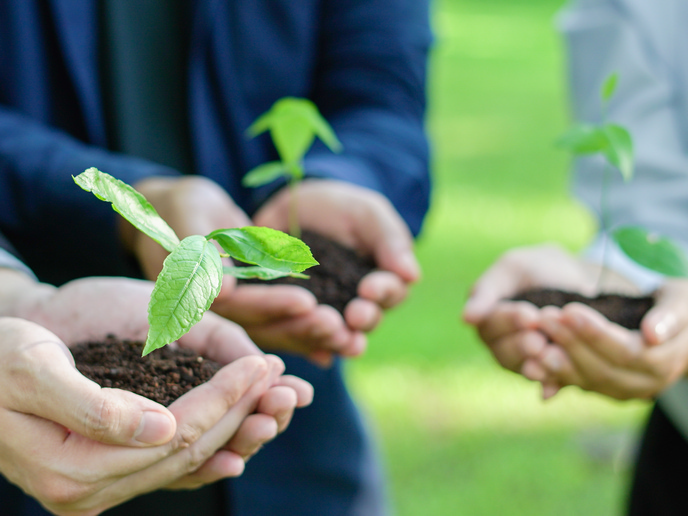
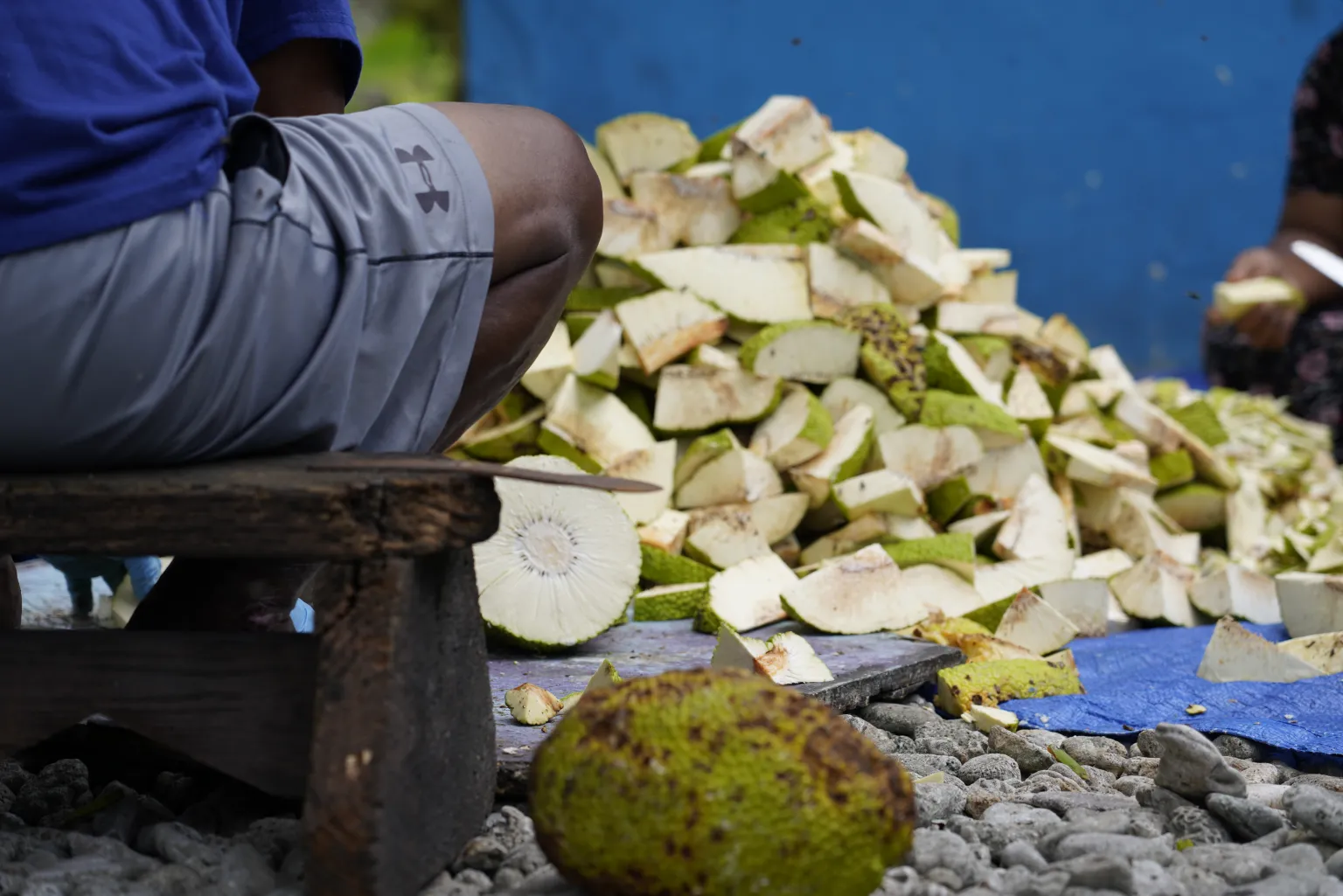
    Breadfruit production is growing in just about every way in Hawaiʻi, as more farmers plant more trees that are producing more fruit. The canoe crop, known as ʻulu, has experienced a renaissance for over a decade as Hawaiʻi residents have readopted the starchy staple. The cannonball-sized fruit has made it onto restaurant menus, public school meals and even into pancake mixes, flours and other ready-to-eat products. Supply has responded to demand, increasing by an average of 34% every year since 2017. That’s 212,000 pounds of ʻulu produced throughout the past fiscal year —13 times more than the Hawaiʻi ‘Ulu Cooperative’s production a decade ago, according to numbers from the cooperative and the Department of Agriculture and Biosecurity. This year’s devastating storms, associated with a potentially record-breaking El Niño, may result in a downturn as trees struggle. Still, the cooperative’s production is forecast to double by 2029 and more than quadruple by 2033, CEO Dana Shapiro said, as more of the members’ trees reach maturity, more trees are planted and more farmers get involved. The ʻulu cooperative’s membership has grown from 12 producers to 227 since 2017, with 50 added in the last year. Those members currently look after almost 10,000 trees. “Of that, about 60% are not what we would consider mature trees,” Shapiro said. “They’re still coming online.” Currently, given the varying ages of members’ trees, the average annual production is 21.6 pounds per tree. It can take about 10 years for ʻulu trees to reach maturity. Trees of the maʻafala variety of ʻulu produce 250 to 450 pounds of fruit annually. Even without planting more trees, Shapiro expects more fruit will be produced. But turbulent weather has winnowed much of this year’s crop at the height of harvest season, which can run from July to December. The Kona low storms in March and Lala in August had an adverse effect on trees, forcing them to drop developing fruit early, said Noa Kekuewa Lincoln, who runs the Indigenous Cropping Systems Laboratory at the University of Hawaiʻi. “Whether that’s the wind, or the tree stress or the flooding, clearly the storm systems have had a strong impact on the tree production,” Lincoln said. “I think we are going to see a dip this year… and we’re not even halfway through hurricane season.
    12345678910
    Read more
    Pacific Islands to Face Food Shortages Due to Global Warming: Scientists
    Water & FoodSeptember 10, 2026

    Pacific Islands to Face Food Shortages Due to Global Warming: Scientists

    The Pacific islands will face food shortages, and drinking water will be affected by rising seas, scientists said Wednesday, as a U.N. report found the world would fail to limit global warming to 1.5°C. A U.N. Environment Programme (UNEP) report projected global temperature rise will peak at 1.8°C above preindustrial levels, overshooting a goal of limiting warming to 1.5°C set by the Paris Agreement. Scientists told a summit of Pacific leaders in Palau that the impact of "overshooting" that target will be a $90 million loss in fishing license fees, or 13% of government revenue in the region, causing an "economic crisis." Tuna will migrate east, away from island states where a third of the world's tuna is caught, said Andrew Jones, deputy director general of The Pacific Community. Coastal fishers who feed island people will lose 65% of their catch, he told reporters Wednesday. "That's about two meals per family per week that are not on the plate—clean, free, healthy protein that will need to be replaced," he said. Devastating floods will increase, and salt water will inundate drinking water, reducing the ability to live on islands, he said. Maina Talia, climate change minister for low-lying Tuvalu, said the science showed the climate crisis "is real now, it is here now." Pacific islands are seeking financial help for climate change adaptation and tougher action by developed countries to curb the use of fossil fuels. "We are fighting against a very strong current that is sweeping us into very dangerous waters, and we have to do everything in our power to fight our way back to 1.5," said Marshall Islands climate envoy Tina Stege. Vanuatu climate change minister Ralph Regenvanu urged countries such as Australia, the largest member of the Pacific regional bloc and a major exporter of coal and gas, to stop expanding their fossil fuel exports. "Australia is not doing enough. Australia is a major producer of fossil fuels, we all know fossil fuels are the primary driver of the crisis," he told reporters.

    Read more
    Azores Begins Cattle Testing Over Health Fears Surrounding Heavy Metal Pollution Around Lajes Air Base
    Water & FoodAugust 6, 2026

    Azores Begins Cattle Testing Over Health Fears Surrounding Heavy Metal Pollution Around Lajes Air Base

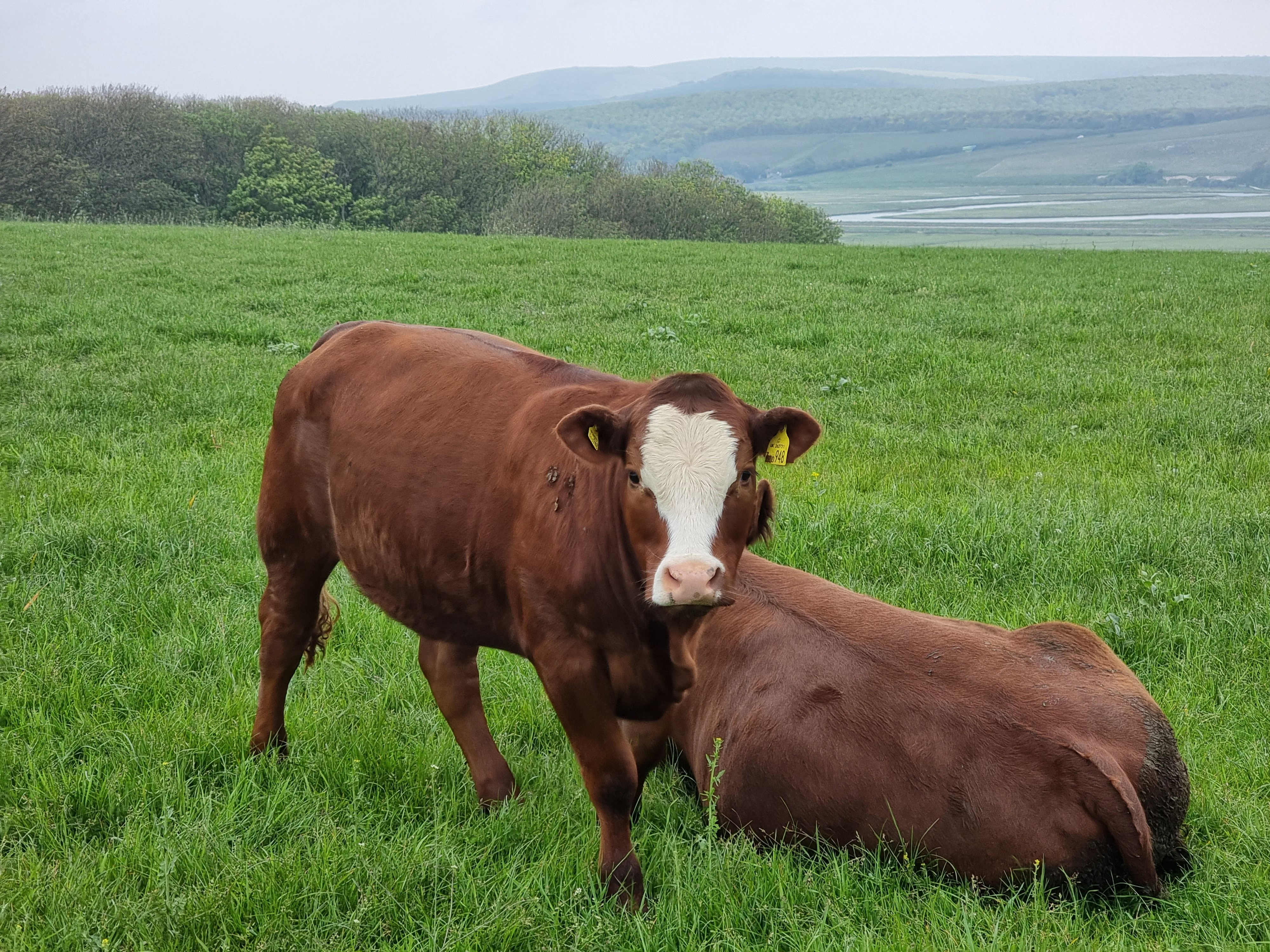
    The Azores Regional Government is launching an independent investigation into decades of soil and groundwater contamination linked to Lajes Air Base on Terceira Island. Authorities will map fuel-contamination plumes and test cattle, pasture and water near affected areas, with separate analysis of milk because of the island's major dairy sector. The testing will cover hydrocarbons, heavy metals, PFAS and BTEX compounds, while a proposed independent technical commission is expected to review studies, commission further analyses and report on environmental and public-health measures.

    Read more
    Reimagining Water and Resilience on a Greek Island in the Aegean Sea
    Water & FoodAugust 6, 2026

    Reimagining Water and Resilience on a Greek Island in the Aegean Sea

    Skiathos is becoming a resilience hub through the EU-funded NURISH project, which is preparing nature-based responses to water scarcity, wildfire and flood risk. Planned interventions include constructed wetlands combined with photovoltaic systems to treat and reuse urban wastewater, as well as systems to capture and store rainfall and flood runoff for firefighting and agriculture. The project aims to turn a cycle of seasonal water shortage and increasingly intense rainfall into a regenerative local water system, with implementation scheduled for 2027.

    Read more
    Food Supply Chain Investments: A New Beginning for Caribbean Agriculture?
    Water & FoodAugust 6, 2026

    Food Supply Chain Investments: A New Beginning for Caribbean Agriculture?

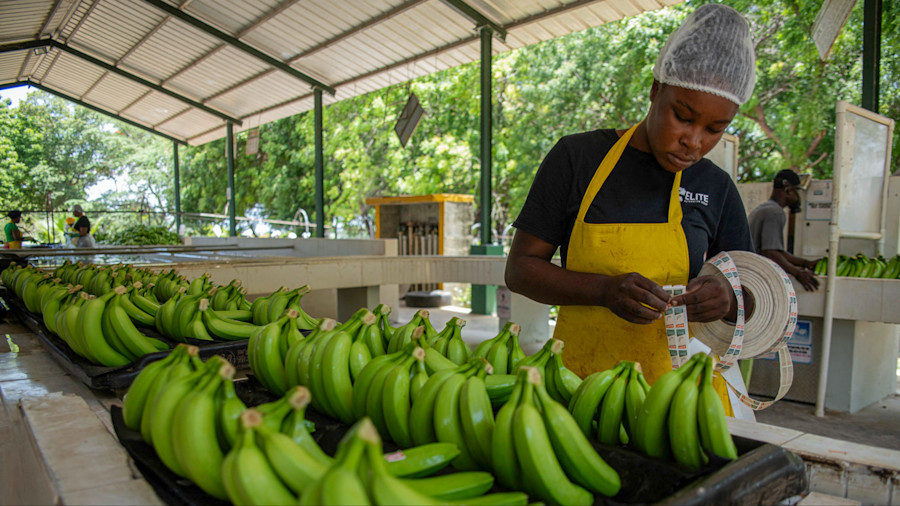
    Caribbean countries remain heavily dependent on imported staple foods despite producing export crops, while a 2025 survey found 42% of people in the English- and Dutch-speaking Caribbean were food insecure. Investment in controlled-environment agriculture, such as container farms and high-tech greenhouses, could increase reliable local production in limited space and reduce exposure to hurricanes, drought and flooding. Regional supply-chain development is also being pursued through a planned modern sugar refinery in Belize, intended to process Caribbean cane for local manufacturers and meet more than 75% of Caricom's refined-sugar needs.

    Read more
    Partners Launch PacFresH2O to Strengthen Climate-Resilient Water Security in the Pacific
    Water & FoodJuly 30, 2026

    Partners Launch PacFresH2O to Strengthen Climate-Resilient Water Security in the Pacific

    Governments and development partners have launched PacFresH2O in Port Moresby to strengthen climate-resilient freshwater, sanitation and hygiene systems in Papua New Guinea and Solomon Islands. The five-year programme is supported by Germany's International Climate Initiative and co-implemented by GIZ, the Pacific Community, WaterAid Papua New Guinea and Live & Learn Solomon Islands. It combines infrastructure with stronger institutions, coordination and long-term water-service sustainability in two Pacific island countries facing growing climate pressures.

    Read more
    On Greek Island of Santorini, Winemakers Try to Adapt to Heat and Drought
    Water & FoodJuly 23, 2026

    On Greek Island of Santorini, Winemakers Try to Adapt to Heat and Drought

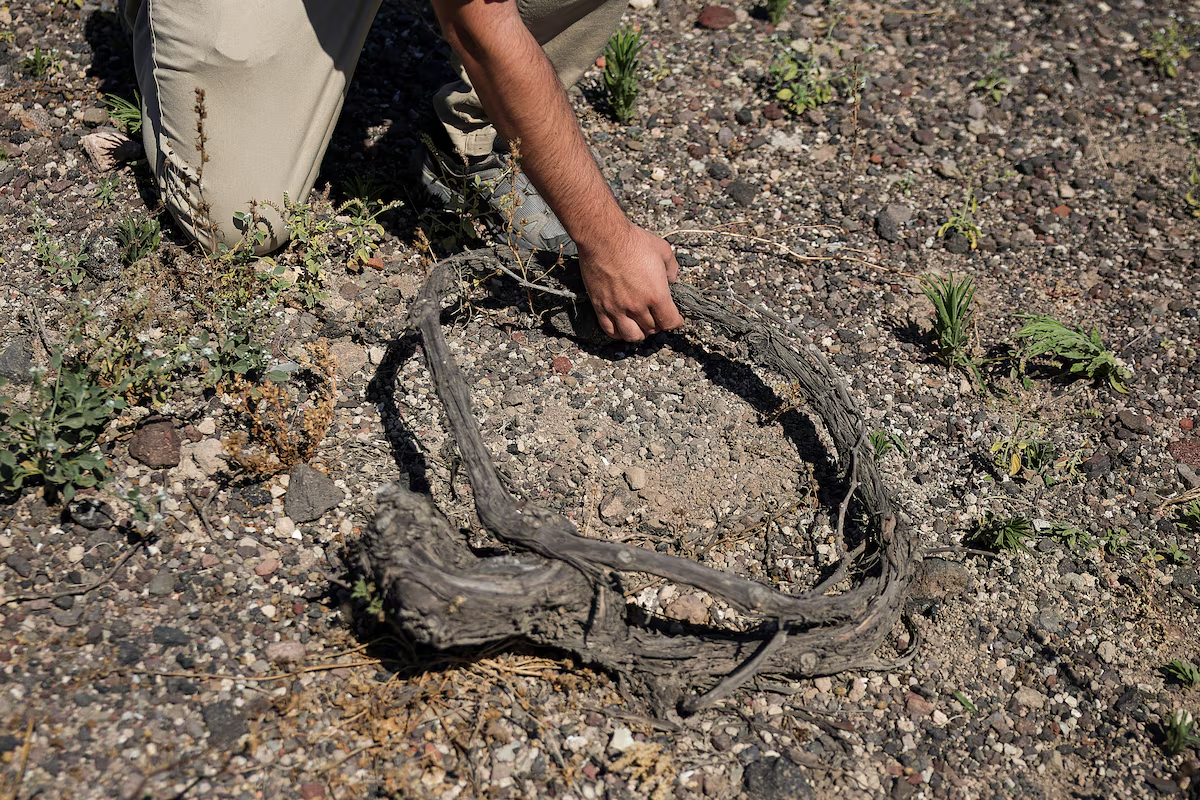
    Successive years of heat and low rainfall have damaged Santorini's historic vineyards, reduced wine production and intensified concern over water security. Growers are adapting while protecting the island's distinctive winemaking traditions. At Domaine Sigalas, trials include using treated wastewater from homes and hotels for irrigation, planting vines in rows to improve water efficiency, and harvesting atmospheric moisture with solar-powered systems. The work illustrates how island food systems and cultural landscapes are responding to increasingly erratic climate conditions.

    Read more
    From an Island to Shelves Around the World: the Story of Azorean Canned Fish
    Water & FoodJuly 14, 2026

    From an Island to Shelves Around the World: the Story of Azorean Canned Fish

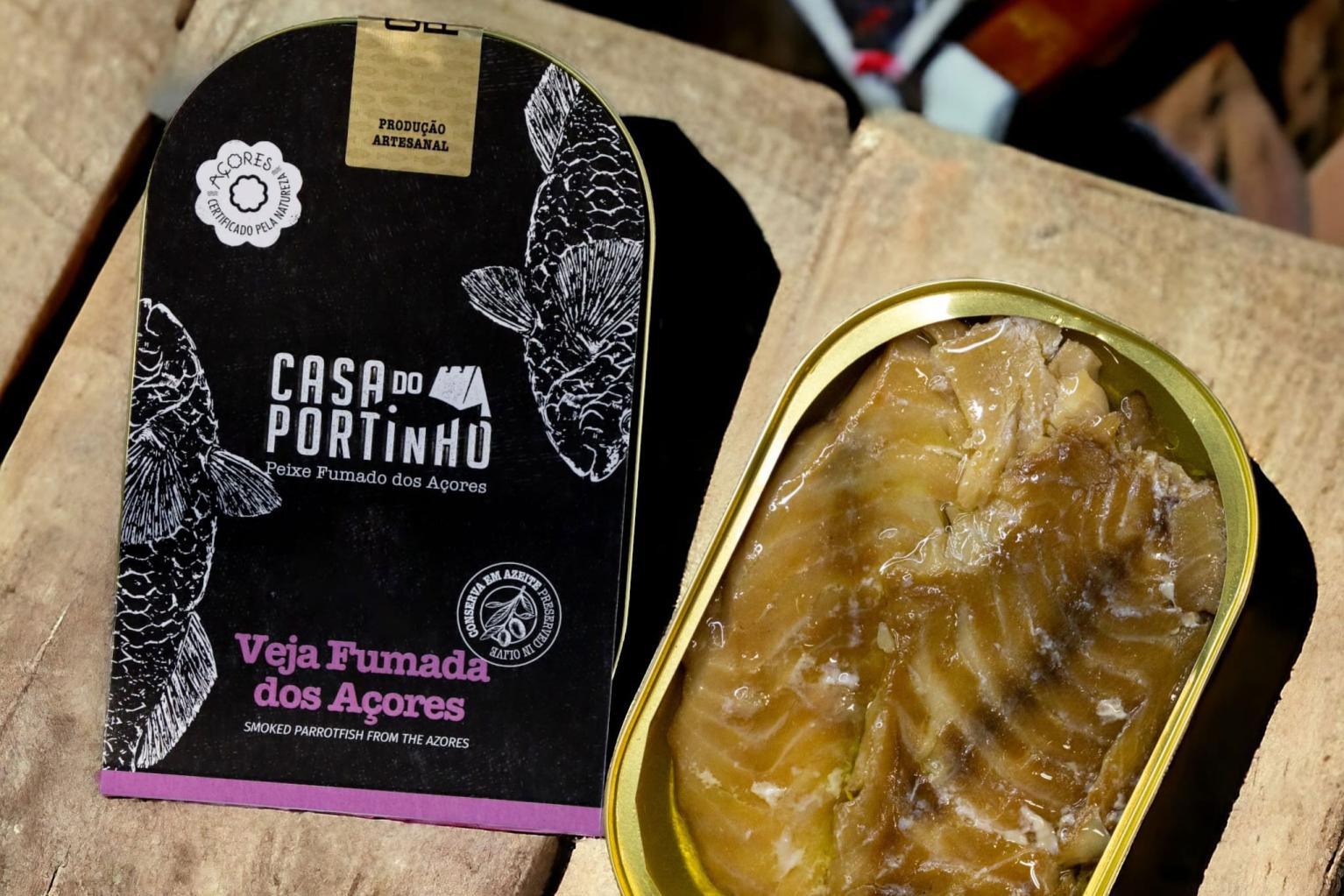
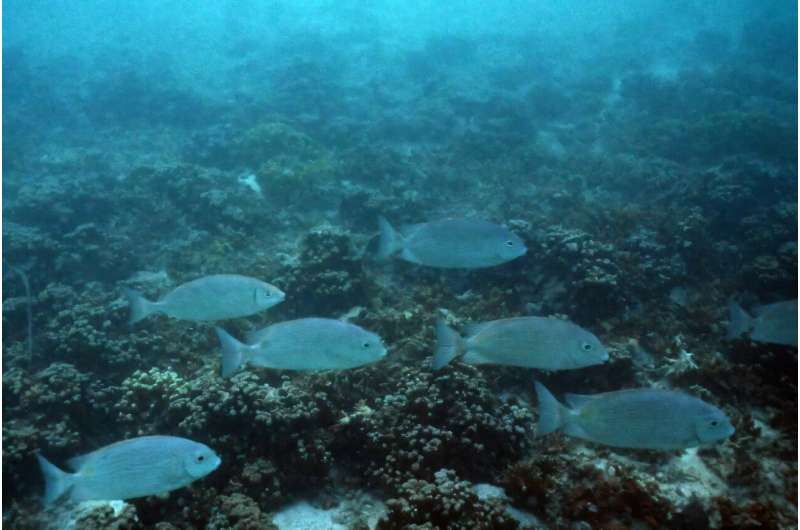
    The island of Terceira in the Azores lies 1,500 km west of mainland Portugal, remote enough to make running a business complicated, let alone one built on delivering fresh fish to distant markets. Tibério Barbeito started TZT Flying Fish Azores in his twenties with exactly that ambition. Ten years later, with EU funding behind him, he has revived Terceira's canning industry, turning locally caught fish into gourmet canned products. He began experimenting with cold-smoking local fish species, then diversified into canning with support from Grater, the Fisheries Local Action Group. His canned products, sold under the brand Casa do Portinho, use fresh fish landed by the local fleet, including horse mackerel, Atlantic bonito, limpets, ray and barracuda.

    Read more
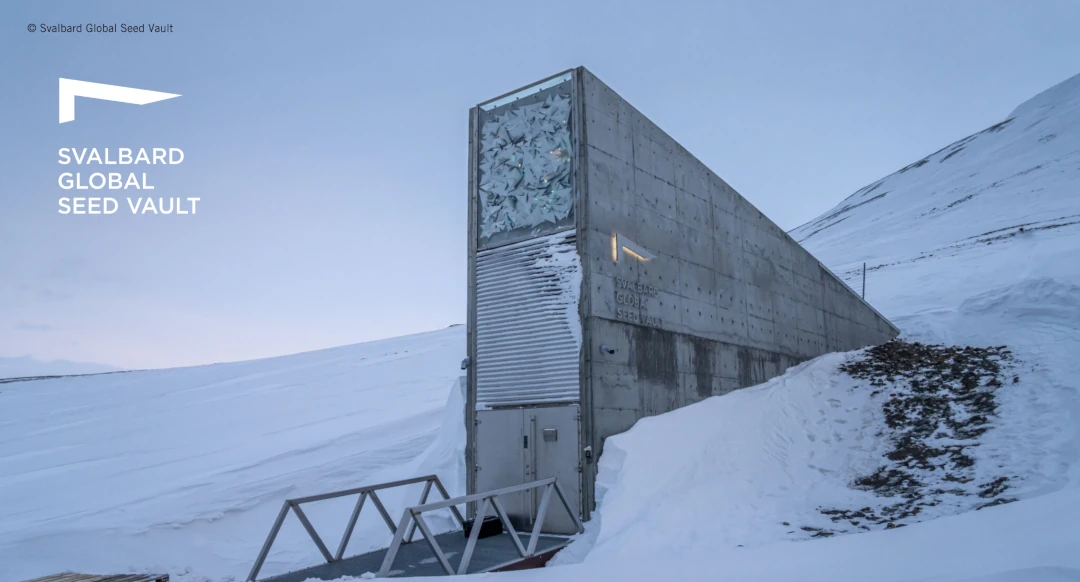
    Svalbard Global Seed Vault, Princess of Asturias Award for International Cooperation 2026
    Water & FoodJune 25, 2026

    Svalbard Global Seed Vault, Princess of Asturias Award for International Cooperation 2026

    The Svalbard Global Seed Vault in Norway has been granted the 2026 Princess of Asturias Award for International Cooperation, as announced today by the Jury responsible for conferring said Award. Convened by the Princess of Asturias Foundation, the Jury for this Award was chaired by Gustavo Suarez-Pertierra and composed of several members. This candidature was put forward by Manuel Toharia Cortes, Jury member for the 2026 Princess of Asturias Award for Technical and Scientific Research. The Svalbard Global Seed Vault is an underground seed bank located on the island of Spitsbergen, in the Norwegian archipelago of Svalbard. Opened in 2008, it occupies an area of more than a thousand square metres, spread over three warehouses. Its goal is to safeguard the diversity of crop seeds in order to guarantee future supply in case of loss due to natural disasters, human conflicts, policy changes, mismanagement or any other circumstance. The Svalbard Global Seed Vault is owned and administered by the Ministry of Agriculture and Food on behalf of the Kingdom of Norway. The Nordic Genetic Resources Center (NordGen) operates the facility and maintains a public online database of samples stored in the Vault. The Crop Trust provides financial support for Seed Vault operations and seed deposits from developing countries. Former Secretary-General of the United Nations Ban Ki-moon described the Vault as a "global insurance policy" and a "gift to humanity and a symbol of peace" during a visit to Svalbard in 2009. With a humanitarian purpose, the Svalbard Global Seed Vault is part of the United Nations Food and Agriculture Organization (FAO) international system for the conservation of plant genetic resources.

    Read more