VIS 2026VIS 2026 — Virtual Island Summit|Also: GSIS 2027GSIS 2027
Island Innovation Logo
About
Services
The Network
Events
Content Library
Contact Us

Subscribe to our newsletter. By submitting, you agree to our Privacy Policy.

Island Innovation

Island Innovation works with governments, institutions, and partners worldwide to support island-led sustainable economic development.

We Support The UN Development Goals

SDG 9: Industry, Innovation and Infrastructure
SDG 11: Sustainable Cities and Communities
SDG 12: Responsible Consumption and Production
SDG 13: Climate Action
SDG 14: Life Below Water
SDG 17: Partnerships for the Goals

Explore

AboutServicesNetworkEvents

Content

ArticlesNewsCareers

Ready to Connect?

Join the island innovation community

Get in Touch

About

  • About us
  • Case Studies
  • FAQs
  • Press
  • Careers
  • Contact

Services

  • Services Overview
  • Public & Media Relations
  • Strategic Communications

Network

  • The Island Network
  • Academic Council
  • Newsletter

Events

  • Our Events
  • Watch Past Events

Content

  • All Content Library
  • Videos
  • Articles
  • News
Privacy PolicyTerms of ServiceContactManage email preferences

© 2025 Island Innovation. All rights reserved.

    News

    Curated stories and analysis from islands and sustainability leaders worldwide.

    Filter by Core Theme

    All ThemesCircular EconomyClimate ActionConnectivity & DigitizationCulture & CommunityEnergy & TransportGreen Finance & EconomyOcean & BiodiversityPolicy & GovernanceTourism & Remote WorkWater & Food
    Showing 9 of 99 news items in Water & Food
    Healthy islands and islanders: Towards a new paradigm for integrating climate change, food security and nutrition in Small Island Developing States
    Water & FoodApril 8, 2026

    Healthy islands and islanders: Towards a new paradigm for integrating climate change, food security and nutrition in Small Island Developing States

    Excerpt from odi.org As climate change intensifies, small island nations are facing growing threats to their food security. This policy brief from the Resilient and Sustainable Islands Initiative (RESI) looks at how climate, food, and policy are often treated separately, and why that needs to change. It highlights the unique pressures shaping island food systems and sets out a roadmap for more joined-up thinking, investment, and action.

    Read more
    12345678910
    Cli­mate resi­li­ence and inclus­ive water access in Jamaica
    Water & FoodApril 1, 2026

    Cli­mate resi­li­ence and inclus­ive water access in Jamaica

    Excerpt from pressreader.com THROUGHOUT THE mid-20th cen­tury to the present, one of the fore­most global issues has been that of cli­mate change and its com­pound­ing impacts on the global pop­u­lus. Due to global warm­ing, modi­fic­a­tions in weather pat­terns have res­ul­ted in increased extreme weather events, unpre­dict­able water avail­ab­il­ity, and increased water scarcity (UNICEF, 2024). In Jamaica, an intens­i­fic­a­tion of hydro­cli­matic vari­ab­il­ity across sea­sons is being observed, mani­fes­ted as a shift in the island’s tra­di­tional rain­fall pat­terns. Over recent years, pre­cip­it­a­tion events have been char­ac­ter­ised by unpre­dict­able, short-dur­a­tion, high-intens­ity storms, which gen­er­ate rapid sur­face run­off rather than infilt­ra­tion and ground­wa­ter recharge. Sim­il­arly, the occur­rence of drought has become increas­ingly peri­odic. Unpre­dict­able rain­fall has also meant longer dry spells, plunging Jamaica into drought-like con­di­tions for months at a time. Dur­ing an inter­view with Dr Arpita Man­dal, senior lec­turer at the Uni­versity of the West Indies, Mona, she stressed that “increases in drought-like con­di­tions affect all sec­tors across the island”. The per­petual impacts of cli­mate change on Jamaica’s sub­stand­ard water dis­tri­bu­tion net­work spe­cific­ally, however, deep­ens island­wide water inequity. Water inequity is the unequal access to water resources and ser­vices shaped by social, eco­nomic, polit­ical, and envir­on­mental dis­par­it­ies, affect­ing vul­ner­able groups (Sus­tain­ab­il­ity Dir­ect­ory, 2025). As unpre­dict­able rain­fall and droughts occur more habitu­ally, impacts on water resources are inev­it­able, neces­sit­at­ing resi­li­ent and equit­able water-man­age­ment solu­tions for groups facing unique vul­ner­ab­il­it­ies.

    Read more
    No rivers, no lakes: Discover how Bermuda built a 400-year-old water system that still functions
    Water & FoodMarch 25, 2026

    No rivers, no lakes: Discover how Bermuda built a 400-year-old water system that still functions

    Excerpt from timesofindia.indiatimes.com Bermuda is an island in the middle of the North Atlantic Ocean, and it has no rivers, no lakes, and no natural springs of fresh water. For more than 400 years, the islanders have been relying on a brilliant but simple idea: Every roof is a collector of drinking water. The island’s famous white, stepped roofs are not just a picturesque postcard image; they are a rainwater–harvesting system that has quietly and successfully served the islanders through storms, droughts, and centuries of change. Modern research in the Journal of the American Water Resources Association (JAWRA) still points to Bermuda as a living example of how traditional design. The system is resilient and sustainable.

    Read more
    Fukushima town launches rice-based carbon credit project under Japan’s J-Credit scheme
    Water & FoodMarch 25, 2026

    Fukushima town launches rice-based carbon credit project under Japan’s J-Credit scheme

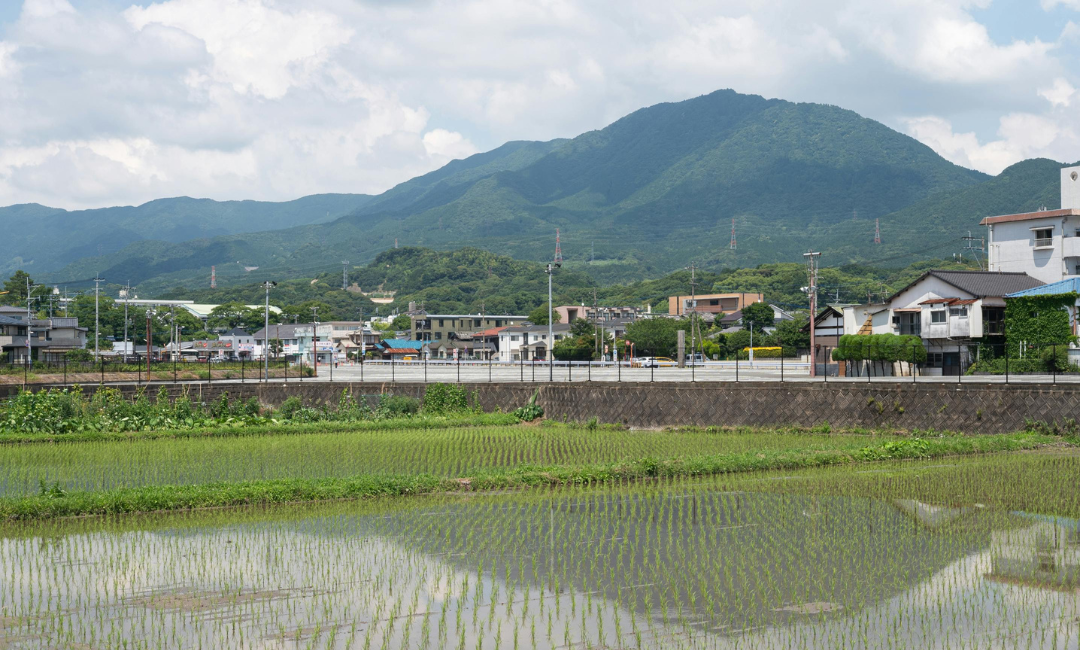
    Excerpt from eco-business.com Japanese agricultural decarbonisation firm Faeger said it will partner with the town of Hirono in Fukushima Prefecture to generate carbon credits from rice cultivation and develop a premium rice brand produced using climate-friendly farming methods. The agreement aims to cut agricultural greenhouse gas emissions while boosting crop quality and farmers’ incomes, the Tokyo-based company said in a statement last week. Under the partnership, farmers will extend the mid-season drainage period of paddy fields – a technique known to reduce methane emissions – and adopt other measures such as biochar use to generate government-certified J-Credits. Revenue from the credits will be reinvested in heat-resilience measures and improvements to the cultivation environment, the company said.

    Read more
    Jersey will protect over one-fifth of its waters from trawling
    Water & FoodMarch 19, 2026

    Jersey will protect over one-fifth of its waters from trawling

    Excerpt from oceanographicmagazine.com Jersey has approved one of the most ambitious marine protection plans in the British Isles, nearly quadrupling the area of its seas protected from damaging fishing practices and positioning the Island as a leader in ocean conservation across the region. The newly agreed Marine Protected Area (MPA) network will cover 21.7% of Jersey’s waters from 1 September this year, with a further 1.9% scheduled to come into force on 1 January 2030. The network safeguards a range of ecologically important habitats, including kelp forests, seagrass meadows, biodiverse reef systems, and fragile maerl beds – among the rarest and most sensitive marine habitats in the region.

    Read more
    Integrating nutrition into anticipatory action: lessons from the 2025 pilot projects in Madagascar and Mali
    Water & FoodMarch 11, 2026

    Integrating nutrition into anticipatory action: lessons from the 2025 pilot projects in Madagascar and Mali

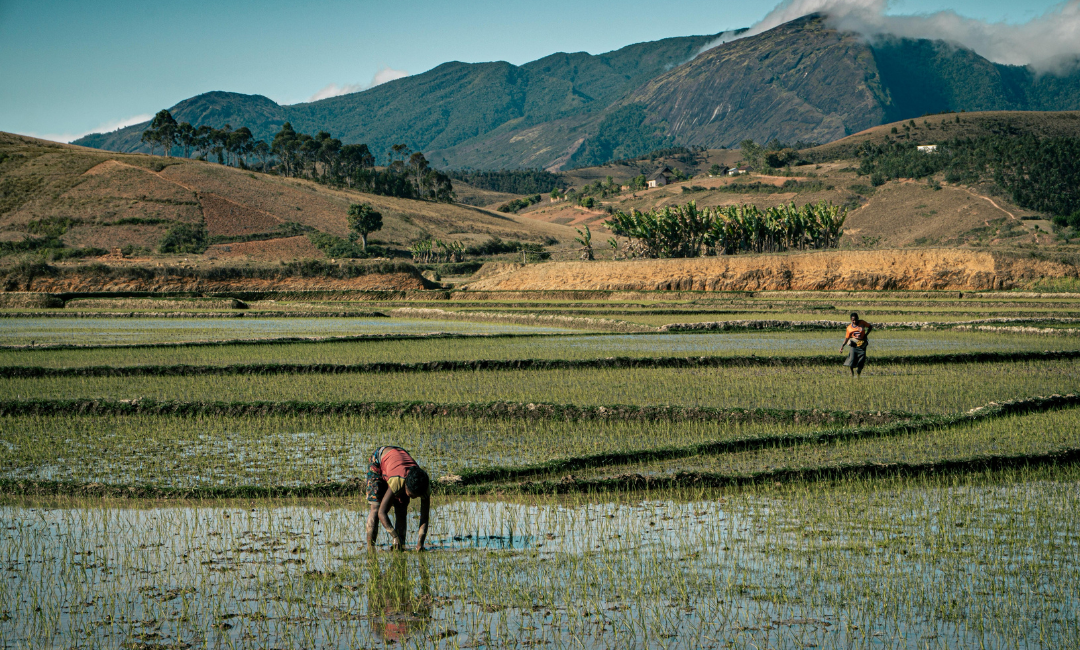
    Excerpt from preventionweb.net Action Against Hunger (Action Contre la Faim/ACF) has published its new methodology for integrating nutrition-based activities into anticipatory action frameworks and systems. Addressing a critical gap in anticipatory action Nutrition is largely absent from anticipatory action frameworks and systems, despite the fact that obvious and rapid nutritional impacts regularly follow climate shocks. Droughts, floods and cyclones can accelerate a deterioration in people’s nutritional status, particularly in areas that are already vulnerable. Many health systems and acute-malnutrition-management programmes only intervene in response to a crisis and are often insufficiently prepared to meet increased post-shock needs. A multi-level, community-based approach to nutrition The pilot projects aimed to address this critical gap. To document the impacts on communities’ nutrition status, and the needs and capacities on which the approach could be based, ACF applied an action research methodology at three levels: community, sub-national and national. Nearly 400 community members and local and national experts were interviewed across the two countries, using a survey specially created for this initiative. Through these interviews, ACF teams were able to draft initial recommendations and actions specific to integrating nutrition into anticipatory action frameworks and systems. These were then discussed, reinforced and validated by a panel of stakeholders, authorities and community representatives during capacity-building and exchange sessions.

    Read more
    Landmark project improved farmers’ livelihoods and protected forests in Madagascar, new report finds
    Water & FoodMarch 2, 2026

    Landmark project improved farmers’ livelihoods and protected forests in Madagascar, new report finds

    Excerpt from webwire.com Findings from the impact evaluation conducted by Conservation International, in partnership with the Green Climate Fund’s Independent Evaluation Unit, found clear evidence of higher crop yields and lower deforestation rates among farming communities participating in the USD 16 million “Sustainable Landscapes in Eastern Madagascar” project. The project supported more than 24,000 smallholder farming households in and around the Ankeniheny-Zahamena and the Ambositra-Vondrozo forest corridors with climate-smart agriculture techniques, distribution of seeds and equipment, forest patrols, agroforestry promotion and forest restoration.

    Read more
    DNA discovered in 2,000-year-old lentils could help save global food crops
    Water & FoodFebruary 25, 2026

    DNA discovered in 2,000-year-old lentils could help save global food crops

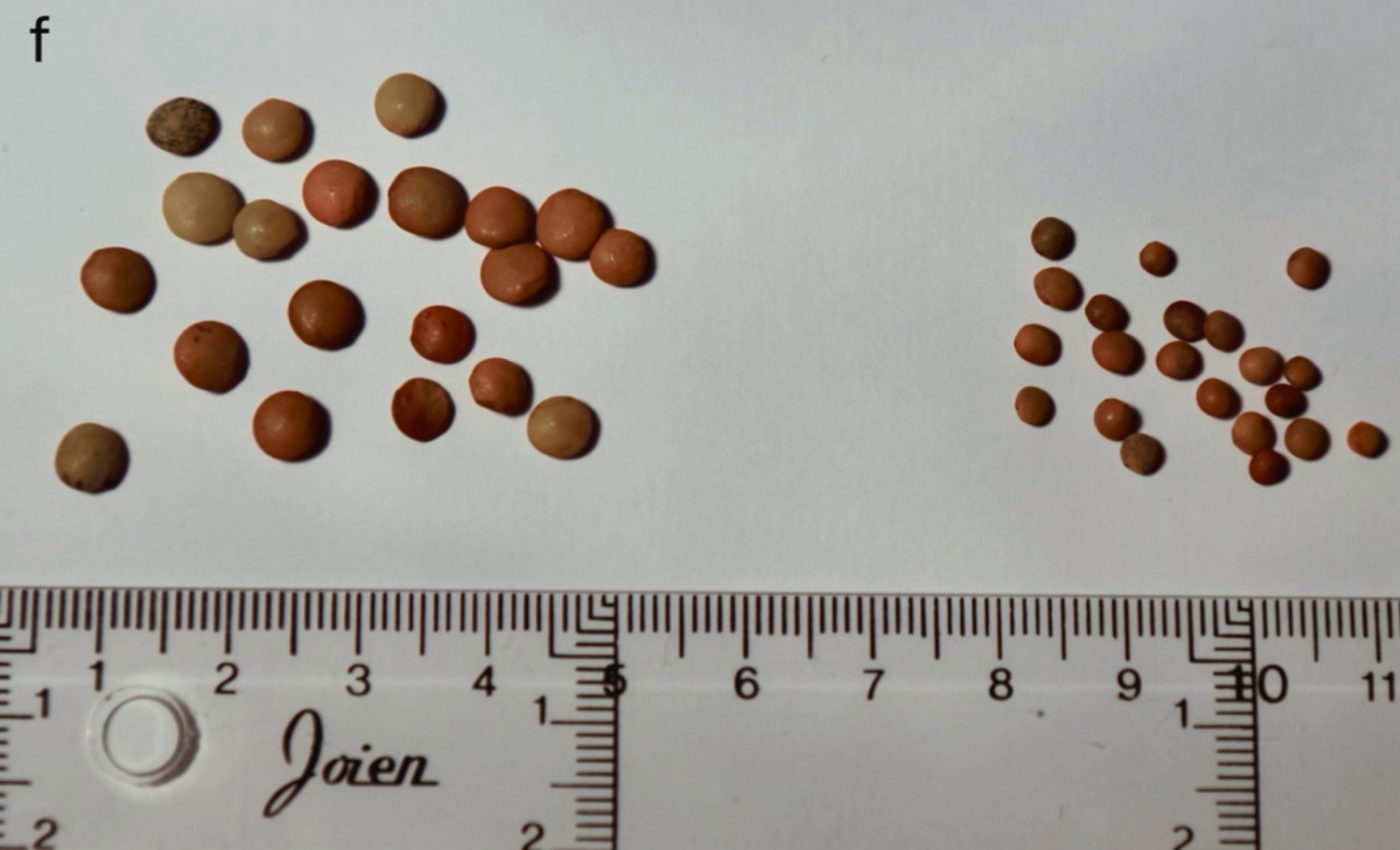
    Photo Credit and Excerpt from earth.com Lentils grown today on a small Atlantic archipelago off the northwest coast of Africa have preserved a continuous DNA lineage reaching back nearly 2,000 years to some of the region’s earliest farming communities. That continuity shows how food crops can quietly carry human history across conquest, migration, and climate pressure, while holding traits shaped by long exposure to heat and drought.

    Read more
    From overlooked to opportunity: Samoa chooses its priority crops
    Water & FoodSeptember 28, 2026

    From overlooked to opportunity: Samoa chooses its priority crops

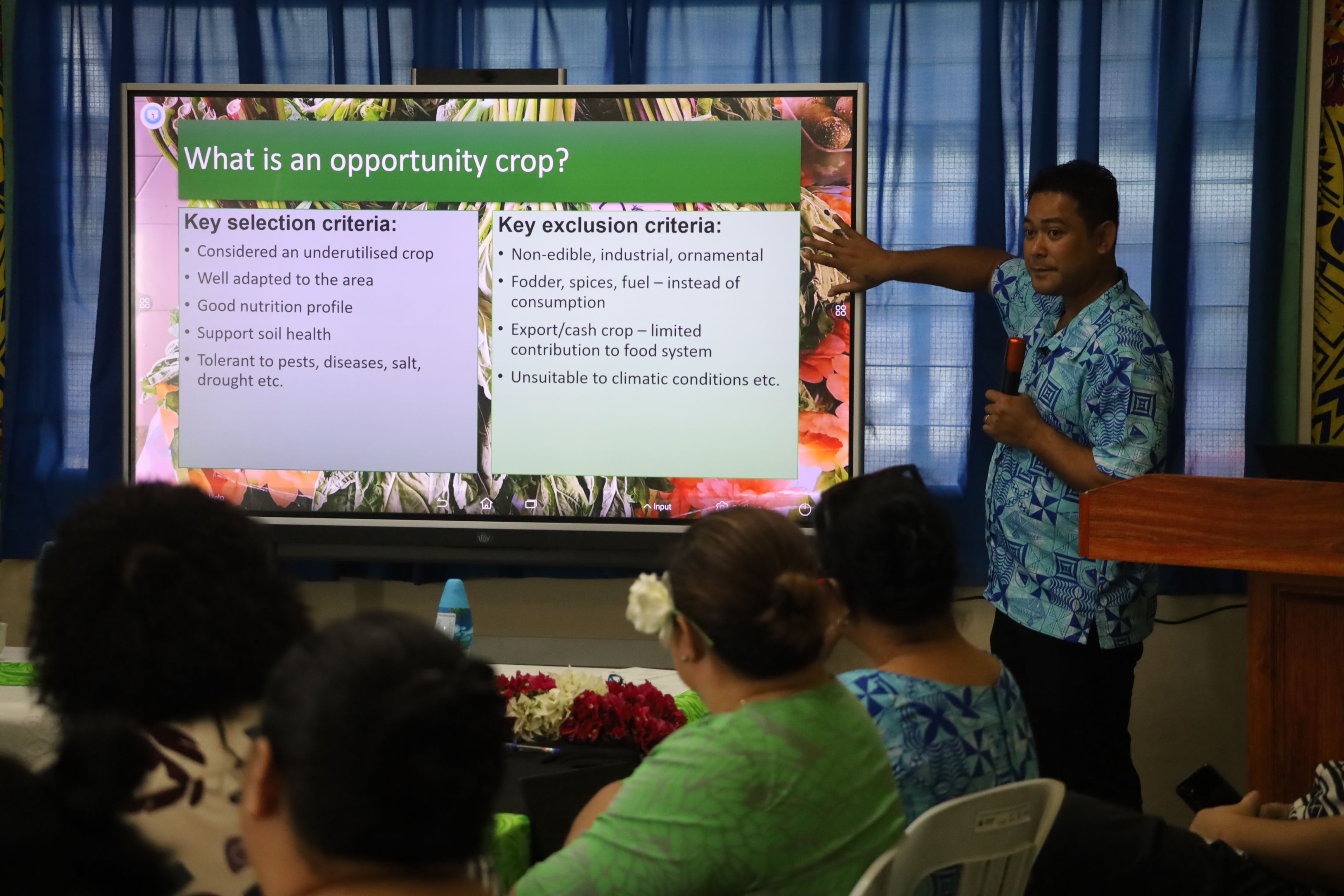
    For generations, resilient and nourishing crops have thrived on Samoan plantations, deeply rooted in the Samoan way of life yet often overlooked by research and investment. Recently, at the Nu’u Research Station in Apia, the Pacific Vision for Adapted Crops and Soils (PACS) workshop brought a new energy: this time, farmers and communities would choose which of these unsung crops deserve their spotlight. The two-day workshop concluded with the selection of four opportunity crops - breadfruit, yam, plantain and legumes. For Leuluaipouomalo Sinaloa Melchior, a farmer and exporter from Sili Eco Farm in Savai’i, the choices made logical sense. “It’s good that we finally have a selection of opportunity crops,” she said. “Those are the crops that can benefit a lot of Samoan people here. It’s good for our soil in Samoa. Not only that, but it also benefits the people, and so does the market here in Samoa, outside Samoa, and all around the world." So, what makes a crop be considered an “opportunity crop”? Ms Logotonu Meleisea Waqainabete, Genetic Resources Programme Leader at the Pacific Community (SPC), explained that the term describes crops whose contribution to food systems could be much greater if they received the right support. “Many nutritious, climate-resilient and culturally important crops remain under-researched or under-invested. PACS calls these opportunity crops, because they could contribute so much more if supported by the right evidence, healthy soils, planting material systems, partnerships and investment.” These are not new crops being introduced to Samoa. They are crops Samoan communities already know, grow and value. What has often been missing is the focused research, investment, market development and technical support needed to unlock their full potential. Breadfruit and plantains were already among the highest-scoring crops when Pacific experts and farmers validated a regional list of 36 opportunity crops in Fiji last November. Samoa’s selection adds yams and legumes reflecting local priorities and what matters to Samoan farmers and communities. Following opening remarks from the Ministry of Agriculture and Forestry, Assistant Chief Executive Officer for Crops, Leota Tanu Toomata, said participants worked in groups to consider the crops, with particularly underutilised varieties that meet the opportunity crop criteria for Samoa. Government agencies, farmer associations, exporters and civil society organisations brought different perspectives to the discussions, combining local knowledge with practical experience to rank the crops. “The strength of PACS will not be measured by the plans we write, but by the partnerships we build and the actions we take together,” Leota told participants. “Today is the beginning of an important journey for Samoa.” -Leota Tanu Toomata The approach puts local decision-making at the centre of the PACS process. Even though the discussions were guided by the regional list of selected opportunity crops, the workshop created space for Samoa to identify the crops that best reflect its own food and traditional farming systems, environmental and market priorities. Faalua Letufuga of Nuanua o le Alofa, who advocates for the rights of people with disability in Samoa, highlighted that the greater barriers come earlier, such as clearing and preparing land, and the need for more training in plant propagation. She pointed to the family farm as Samoa's strength, where households work as a unit, and no one is left behind. Australia is supporting PACS through the Department of Foreign Affairs and Trade (DFAT) by fully funding the pilot phase of the program as well as providing access to Australian scientific expertise. DFAT representative Ms Meg Somers highlighted the close relationship between food, culture, health, education and livelihoods in Samoa and the importance of healthy soils in sustaining them. “Growing nutritious food starts with soil,” Ms Somers said. She welcomed Samoa’s selection as a PACS pilot country, noting that it would allow locally important and resilient food crops to be identified and their potential tested alongside the health of the soils in which they grow.  Australia’s support also connects PACS with scientific expertise from the Commonwealth Scientific and Industrial Research Organisation (CSIRO) and the Bureau of Meteorology (BOM). These organisations will work with SPC and participating countries on the climate, soil and social inclusion behind the selected crops.

    Read more