VIS 2026VIS 2026 — Virtual Island Summit|Also: GSIS 2027GSIS 2027
Island Innovation Logo
About
Services
The Network
Events
Content Library
Contact Us

Subscribe to our newsletter. By submitting, you agree to our Privacy Policy.

Island Innovation

Island Innovation works with governments, institutions, and partners worldwide to support island-led sustainable economic development.

We Support The UN Development Goals

SDG 9: Industry, Innovation and Infrastructure
SDG 11: Sustainable Cities and Communities
SDG 12: Responsible Consumption and Production
SDG 13: Climate Action
SDG 14: Life Below Water
SDG 17: Partnerships for the Goals

Explore

AboutServicesNetworkEvents

Content

ArticlesNewsCareers

Ready to Connect?

Join the island innovation community

Get in Touch

About

  • About us
  • Case Studies
  • FAQs
  • Press
  • Careers
  • Contact

Services

  • Services Overview
  • Public & Media Relations
  • Strategic Communications

Network

  • The Island Network
  • Academic Council
  • Newsletter

Events

  • Our Events
  • Watch Past Events

Content

  • All Content Library
  • Videos
  • Articles
  • News
Privacy PolicyTerms of ServiceContactManage email preferences

© 2025 Island Innovation. All rights reserved.

    News

    Curated stories and analysis from islands and sustainability leaders worldwide.

    Filter by Core Theme

    All ThemesCircular EconomyClimate ActionConnectivity & DigitizationCulture & CommunityEnergy & TransportGreen Finance & EconomyOcean & BiodiversityPolicy & GovernanceTourism & Remote WorkWater & Food
    Showing 9 of 93 news items in Water & Food
    They help preserve America’s dominance in the Pacific. They’re paying a painful price
    Water & FoodSeptember 30, 2025

    They help preserve America’s dominance in the Pacific. They’re paying a painful price

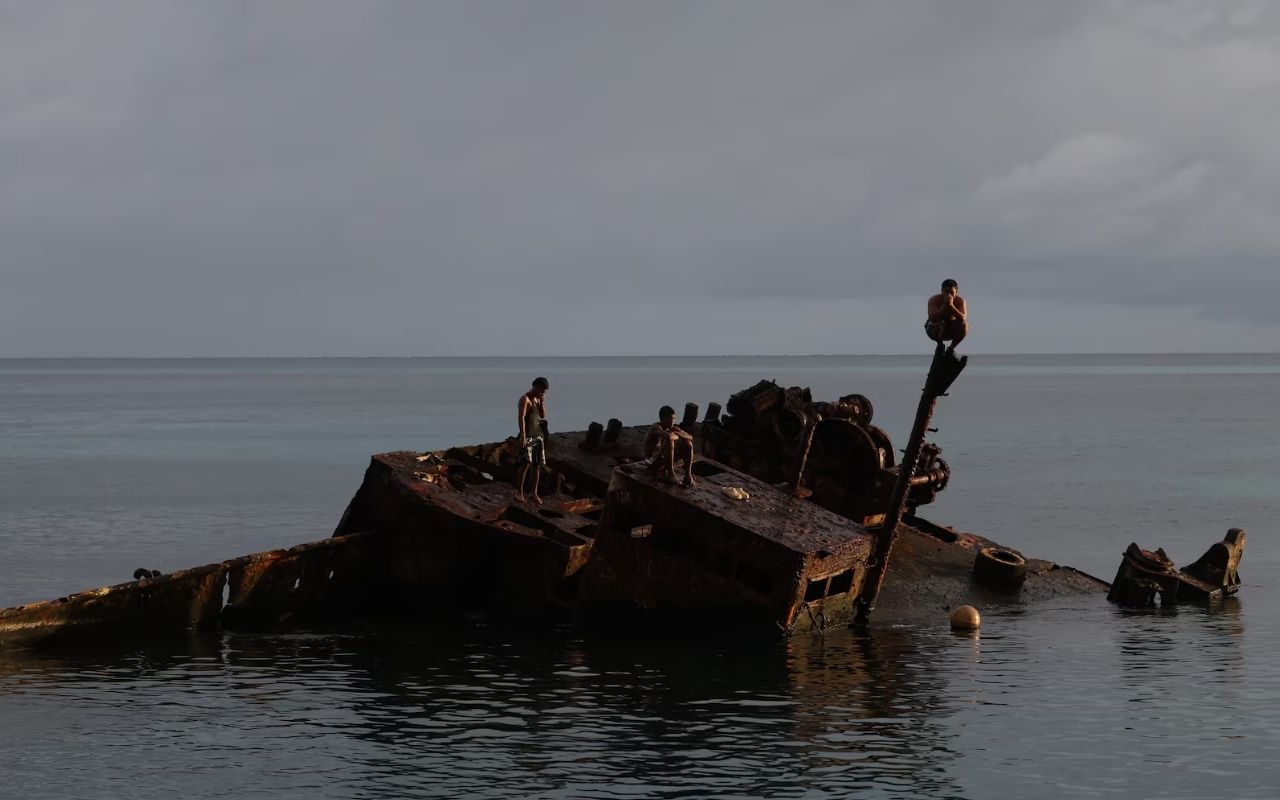
    Excerpt from reuters.com EBEYE, Marshall Islands - Every Friday on this tiny Pacific isle, Korab Lanwe does his rounds. The people he visits have severely swollen, discolored legs, or wounds that won’t heal, or have lost a limb. They are so ill they cannot leave their homes of plywood and metal sheets. Lanwe inquires if they are taking their meds and checks their blood pressure. The result is often grim. Lanwe, who operates from an office with a rotting ceiling and boarded-up windows, is Ebeye’s diabetes coordinator. His homebound patients are in the advanced stages of a disease that plagues at least a third of the roughly 10,000 residents of Ebeye – a strip of sand 60 football fields in size, located 20 minutes by boat from an American base that has become pivotal in the U.S. showdown with China. Despite Lanwe’s efforts, his rudimentary hospital can do little as his patients’ limbs turn gangrenous and their kidneys fail. There are no dialysis machines for them, nor a prosthetics lab to replace the legs that surgeons amputate. Many people on Ebeye don’t live beyond their 50s.

    Read more
    12345678910
    Hawai`i Primed to Revive Agriculture
    Water & FoodSeptember 24, 2025

    Hawai`i Primed to Revive Agriculture

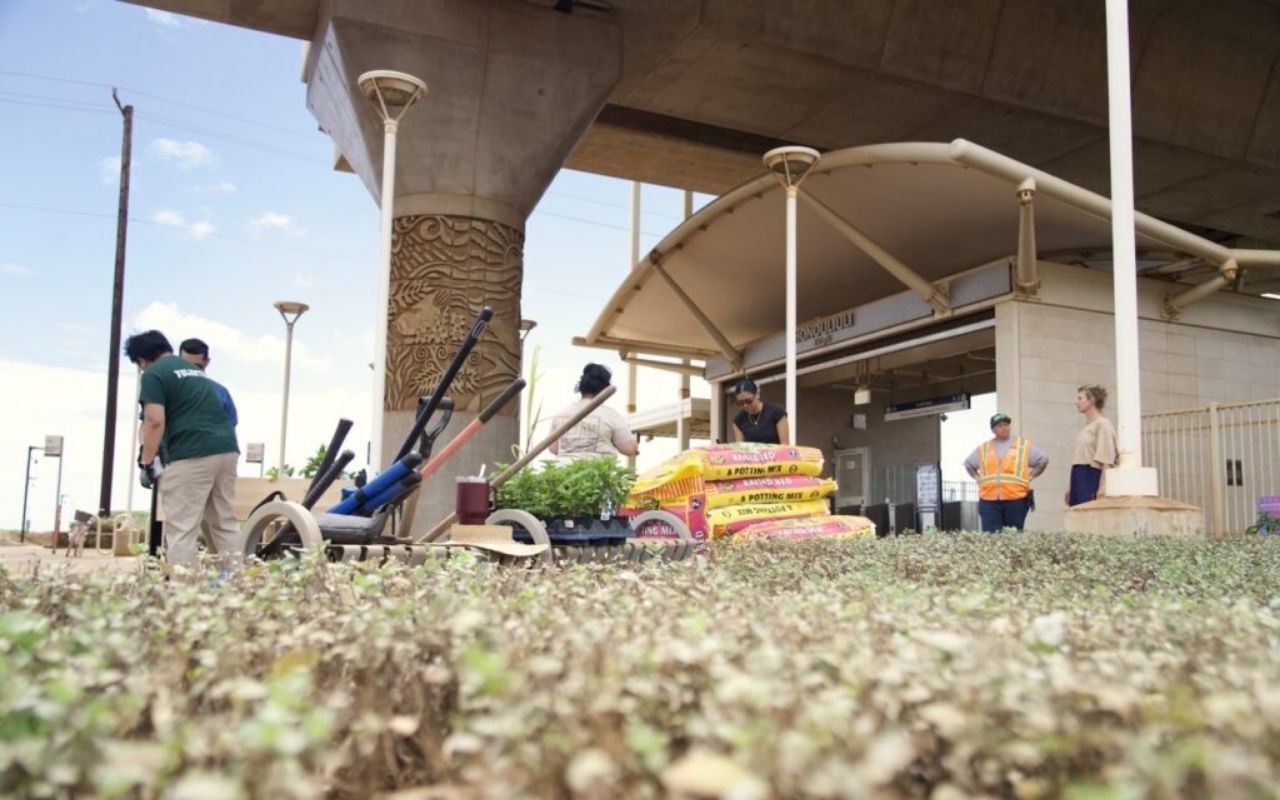
    Excerpt from hawaiibusiness.com Making agriculture a viable industry in today’s Hawai‘i is a daunting task. Biosecurity, agricultural crimes, infrastructure, land availability, an aging workforce, limited markets and few food processing centers are among the barriers facing this comparatively small segment of the state’s economy. But the state is planning and building a new network of opportunities and support intended to reinvigorate Hawai‘i’s agricultural sector. “It was generally thought that when sugar and pineapple plantations shut down, former plantation crop land would be cultivated with numerous smaller crops,” wrote UH economists Sumner La Croix and James Mak in 2021. “Instead, much of it lies fallow.” So true, but after decades of decline and stagnation, conditions may be ripe for a rebound in diversified agriculture.

    Read more
    Prince Edward Island (PEI) farmers join global fight in support of food security
    Water & FoodAugust 26, 2025

    Prince Edward Island (PEI) farmers join global fight in support of food security

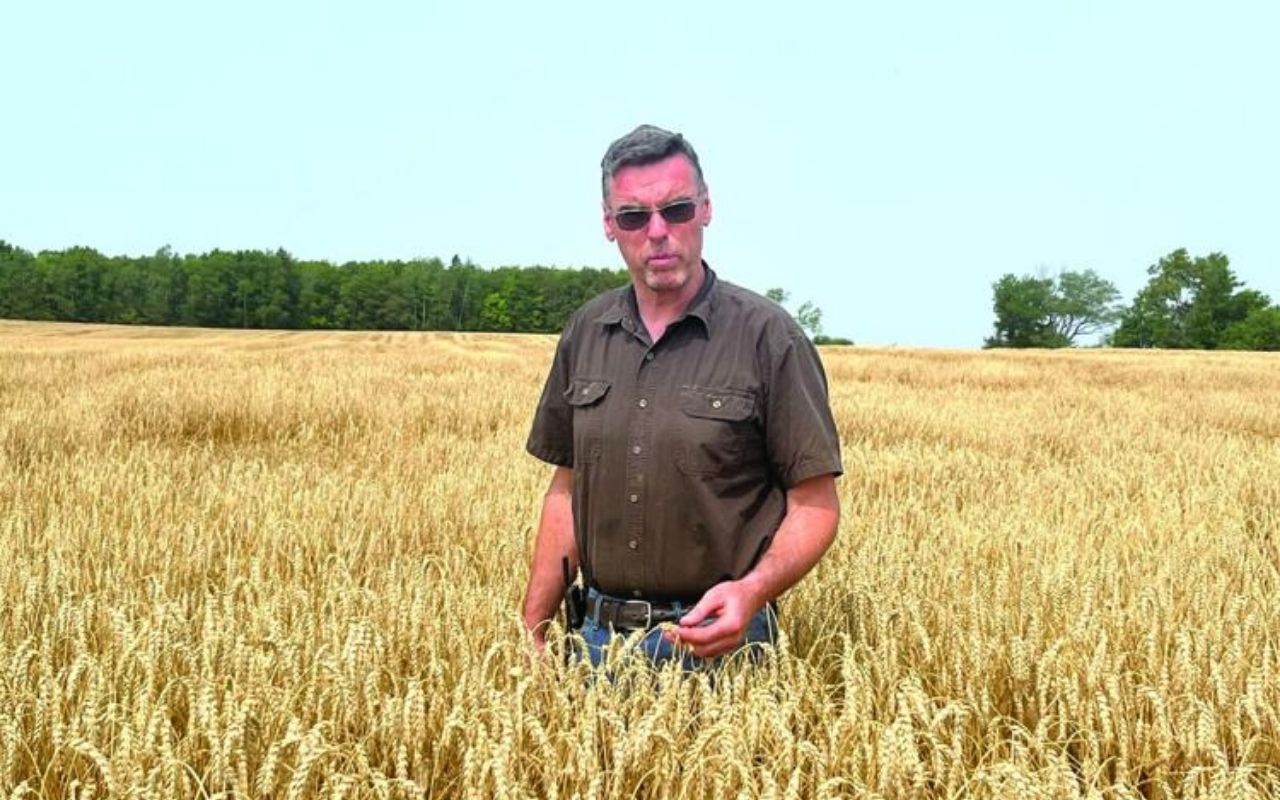
    Excerpt from peicanada.com LOWER NEWTON – Sixteen acres of winter wheat in Lower Newton, near Eldon, is part of an effort linking PEI farmers to food security projects in some of the most vulnerable regions of the world. This year, Stephen Visser of J&S Visser Produce Inc. of Orwell Cove, partnered with the Canadian Foodgrains Bank (CFB), a Winnipeg-based national Christian organization that works to end hunger in over 35 countries.

    Read more
    Sark (Channel Islands) teens aim to revive island dairy
    Water & FoodJuly 7, 2025

    Sark (Channel Islands) teens aim to revive island dairy

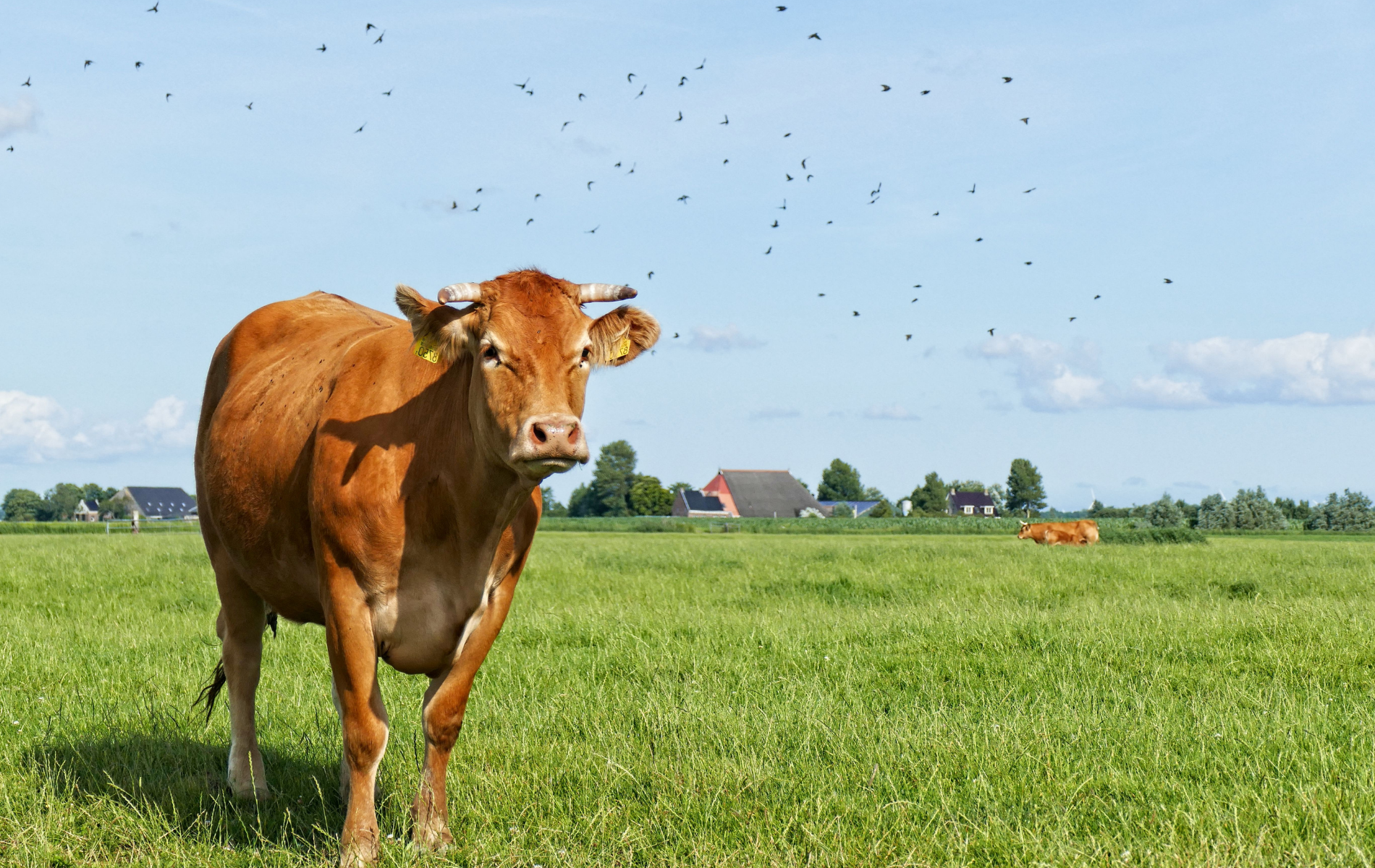
    A fundraising duo hoping to revive Sark Dairy have won the support of hundreds of people already. Cerys and Harry Knight have launched a fundraising page with their dad Richard to test the water. Initially saying they wanted to raise £1,500 – the siblings have already secured nearly £5,000 from more than 130 donors. The 16 and 15 said that they want to “buy a prime Guernsey milking cow and begin our own herd”. If they can do that it will give them a “future on this small and idyllic island” they wrote.

    Read more
    Study shows the earliest evidence of rice in Pacific came from Guam
    Water & FoodJuly 7, 2025

    Study shows the earliest evidence of rice in Pacific came from Guam

    Pacific Island families have not traditionally cultivated rice, they’ve long depended on root crops like taro, yams and cassava. However rice has become a staple part of the Pacific diet. Now a new study shows the earliest evidence of rice in the Pacific Islands came by way of Guam, in the Mariana Islands of western Micronesia.

    Read more
    At the heart of the Arctic, the ‘Noah’s Ark for plants’ welcomes new seeds
    Water & FoodJuly 1, 2025

    At the heart of the Arctic, the ‘Noah’s Ark for plants’ welcomes new seeds

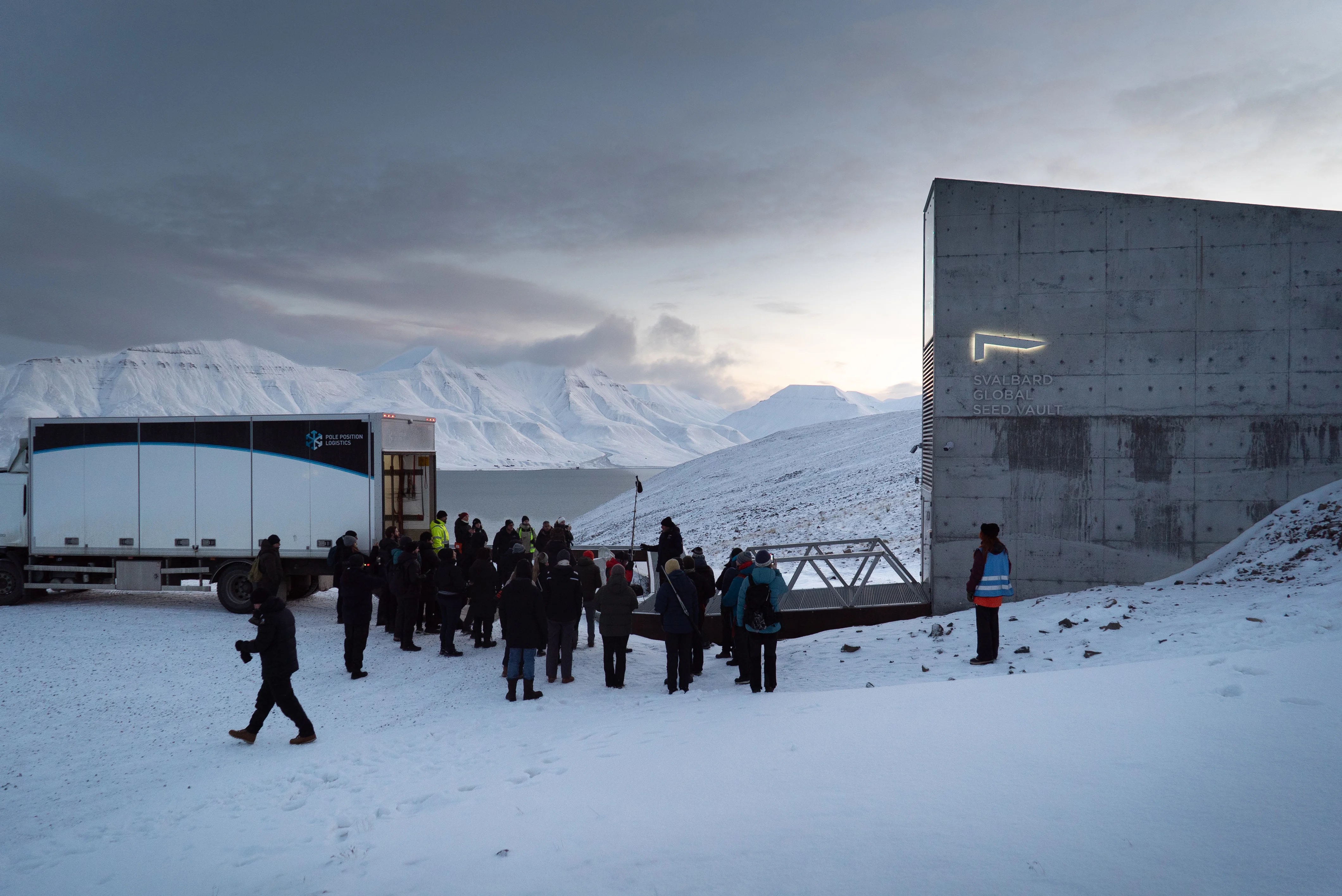
    The concrete triangle stands out against the snow-covered landscape. The mountain’s silence is broken only by the comings and goings of tourists, who step out of their bus or taxi for a few minutes to photograph the mysterious structure. The small building, barely wider than its armored door, is neither a work of brutalist art nor a Hollywood movie set. It is the entrance to the global agricultural seed vault – the Svalbard Global Seed Vault – built in Norway’s Arctic archipelago, 1,300 kilometers from the North Pole. Often dubbed the “Noah’s Ark for plants,” it preserves millions of seeds in case of catastrophe. “This place is one of the most important in the world,” said Espen Barth Eide, Norway’s foreign affairs minister. “If things go wrong, due to war, climate change, or a nuclear explosion, countries can come and retrieve their seeds and start from scratch.” At the end of May, the Norwegian politician and his British counterpart, David Lammy, came to deposit two precious sealed boxes containing, inside aluminum envelopes, seeds of peas, carrots, lettuce and cabbage.

    Read more
    The University of the West Indies academics advocate for regional sustainability at Global Sustainable Islands Summit 2025
    Water & FoodJune 24, 2025

    The University of the West Indies academics advocate for regional sustainability at Global Sustainable Islands Summit 2025

    **Image credit:** The University of the West Indies, St. Augustine Campus **Caption:** (Second from left) Dr. Preeya Mohan joins the plenary panel at the 2025 Global Sustainable Islands Summit. Source: [The UWI St. Augustine](https://sta.uwi.edu/newspics/2025/PHOTO%204%20Summit.jpg) **ST. AUGUSTINE, Trinidad and Tobago. 18 June, 2025** – From May 27 to 29, **UWI Senior Lecturer Dr Ronald Roopnarine** and **Senior Fellow Dr Preeya Mohan** represented The University of the West Indies (The UWI) St Augustine Campus at the 2025 Global Sustainable Islands Summit (GSIS) in St Kitts and Nevis. Hosted by Island Innovation in collaboration with the Government of St Kitts and Nevis, the summit addressed issues affecting island communities like sustainable water management, energy security, climate adaptation, food security and climate-resilient agriculture. A senior lecturer in Agri-Environmental Disaster Risk Management and Deputy Dean at the Faculty of Food and Agriculture, Dr Roopnarine said the summit attracted hundreds of stakeholders from island communities across the world, which presented an opportunity to highlight The UWI’s sustainability efforts and build networks.

    Read more
    USD 8.9 million approved for climate-resilient agriculture in Solomon Islands
    Water & FoodJune 16, 2025

    USD 8.9 million approved for climate-resilient agriculture in Solomon Islands

    The Least Developed Countries Fund (LDCF) has approved USD 8.9 million in grant funding for an FAO-led initiative to strengthen food security and climate resilience in the Solomon Islands. With rising sea levels, extreme weather events, and a large rural population dependent on agriculture and fisheries for livelihoods and food, the Solomon Islands is among the world’s most climate-vulnerable nations. Bolstered by over USD 29 million in co-financing, the Resilient Rural Economic Growth and Food Security project aims to transform how food is grown, accessed, and sustained in the Solomons – promoting sustainable agricultural practices, enhancing national policies, strengthening local governance, and improving availability and access to climate information. GEF CEO and Chairperson Carlos Manuel Rodríguez said that the project was a powerful example of how locally led action can turn environmental challenges into opportunities for transformation. “By combining scientific knowledge with traditional practices and anticipating future environmental risks, this collaboration with the Government of Solomon Islands will equip communities to adapt not only their crops and coastlines, but their entire way of life,” Rodríguez said. “This is adaptation action that is inclusive, anticipatory, and deeply rooted in local leadership.” The project will improve the management of more than 36 000 hectares of land and coastal areas for climate resilience, train more than 60 000 people, and directly benefit more than 75 000 people. The project targets five provinces – Malaita, Guadalcanal, Choiseul, Temotu, and Rennel/Bellona – that underpin national food security, face heightened climate change hazards, and hold high potential as models for scalable, community-led adaptation. Malaita and Guadalcanal provinces are key agricultural hubs with high exposure to climate-induced crop losses. Choiseul, Temotu, and Rennell/Bellona are remote provinces with limited market access and infrastructure, where communities are highly dependent on natural resources and traditional food systems.

    Read more
    Overcoming Drought With Ecological Agriculture
    Water & FoodJune 10, 2025

    Overcoming Drought With Ecological Agriculture

    Many areas across Hawaiʻi are seeing increased drought conditions once again. Gardeners, farmers and foresters can be considerably affected by these severe droughts. Even East Hawaiʻi island’s Hilo and Hāmākua districts rivers and creeks are dry much of the year now. Widespread increased drought means increased fire risk. Thankfully, there are natural solutions that help cultivators conserve and collect water, revitalize the soil, and increase production.

    Read more