VIS 2026VIS 2026 — Virtual Island Summit|Also: GSIS 2027GSIS 2027
Island Innovation Logo
About
Services
The Network
Events
Content Library
Contact Us

Subscribe to our newsletter. By submitting, you agree to our Privacy Policy.

Island Innovation

Island Innovation works with governments, institutions, and partners worldwide to support island-led sustainable economic development.

We Support The UN Development Goals

SDG 9: Industry, Innovation and InfrastructureSDG 11: Sustainable Cities and CommunitiesSDG 12: Responsible Consumption and ProductionSDG 13: Climate ActionSDG 14: Life Below WaterSDG 17: Partnerships for the Goals

Explore

AboutServicesNetworkEvents

Content

ArticlesNewsCareers

Ready to Connect?

Join the island innovation community

Get in Touch

About

  • About us
  • Case Studies
  • FAQs
  • Press
  • Careers
  • Contact

Services

  • Services Overview
  • Public & Media Relations
  • Strategic Communications

Network

  • The Island Network
  • Academic Council
  • Newsletter

Events

  • Our Events
  • Watch Past Events

Content

  • All Content Library
  • Videos
  • Articles
  • News
Privacy PolicyTerms of ServiceContact

© 2025 Island Innovation. All rights reserved.

    News

    Curated stories and analysis from islands and sustainability leaders worldwide.

    Filter by Core Theme

    All ThemesCircular EconomyClimate ActionConnectivity & DigitizationCulture & CommunityEnergy & TransportGreen Finance & EconomyOcean & BiodiversityPolicy & GovernanceTourism & Remote WorkWater & Food
    Showing 9 of 89 news items in Water & Food
    Scaling agroforestry can support fisheries, local food production, cultural practices
    Water & FoodMarch 24, 2025

    Scaling agroforestry can support fisheries, local food production, cultural practices

    Photo credit: Maggie Sogin. Retrieved from hawaii.edu Protecting native forests combined with transitioning fallow and unmanaged agricultural lands to ʻŌiwi (Native Hawaiian) and other place-based agroforestry systems has direct benefits for local fisheries, according to a [new study inNature Ocean Sustainability](https://www.nature.com/articles/s44183-024-00090-6) by an interdisciplinary team from the University of Hawaiʻi at Mānoa, Institute of Pacific Islands Forestry, Kamehameha Schools and Seascape Solutions. These forest management and restoration efforts can improve local food production, biodiversity conservation and cultural connection in places from land to sea. **Mauka to makai** For generations, Kanaka ʻŌiwi, like other Pacific islands cultures, managed from land to sea (mauka i makai) through a system of land divisions (moku) that ensured food security and ecological balance. However, colonization, land privatization and industrial agriculture disrupted these systems. Over the past few decades, large-scale declines in plantation agriculture has now left 40% of Hawaiʻi’s agricultural lands fallow and unmanaged, which can pose risks from elevated erosion, invasive species and wildfire. The research found that combining native forest protection (100,000 acres) with transitioning suitable fallow agricultural land to agroforestry (400,000 acres) could increase sediment retention by 30%, thereby reducing erosion and boosting nearshore food production by almost 100,000 meals per year in some moku. Benefits of this magnitude were shown for west Kauaʻi, the south shore of Molokaʻi, west Maui and east Hawaiʻi Island, where communities are tightly connected to and reliant on fishing for livelihoods, subsistence and social networks.

    12345678910
    Read more
    To meet local demand, St. Helena-based hydroponic farm grows vertically
    Water & FoodFebruary 27, 2025

    To meet local demand, St. Helena-based hydroponic farm grows vertically

    Photo courtesy: Jessica Wade/Staff. Retrieved from postandcourier.com A wall of lettuce was rolled aside to make way for rows of colorful edible flowers as Selma Davis looked through her hydroponic farm like a librarian confidently sifting through shelves of books. She picked a piece of bright green arugula. “Give that a try. It is the most unbelievable arugula,” Davis said. “It’s spicy because it’s older.” The bushels of arugula are among dozens of greens grown vertically within a large shipping container dropped by a crane on St. Helena Island farmland. On the inside, the 320-square-foot structure is high tech, using water to produce large yields of pesticide free greens and vegetables through a method called hydroponics.

    Read more
    Indigenous knowledge merges with science to protect people from fish poisoning in Vanuatu
    Water & FoodFebruary 25, 2025

    Indigenous knowledge merges with science to protect people from fish poisoning in Vanuatu

    Photo Credit: Wikimedia/Louisa Cass/AusAID, [CC BY-SA.](http://creativecommons.org/licenses/by-sa/4.0/) Retrieved from phys.org [Ciguatera fish poisoning](https://www.rph.org.nz/public-health-topics/illness-and-disease/ciguatera-fish-poisoning/ciguatera-fish-poisoning-factsheet.pdf) is the world’s [most frequently reported](https://pmc.ncbi.nlm.nih.gov/articles/PMC2579736/) seafood-borne illness. It poses a serious health risk to tropical coastal communities, with some of the highest rates reported in Vanuatu. But now, Indigenous knowledge provides crucial insights for predicting [fish](https://phys.org/tags/fish/) poisoning outbreaks. Our [study](https://www.nature.com/articles/s43247-024-01931-5) documents a collaboration between scientists and Indigenous knowledge holders on Vanuatu’s Ambae island. It offers a powerful new model designed to protect people’s health in vulnerable regions. Ciguatera poisoning occurs when people eat fish contaminated with ciguatoxins produced by marine algae that accumulate in reef-feeding fish. Symptoms can range from nausea and muscle pain to severe neurological effects. In some cases, the poisoning can lead to serious illness or even death.

    Read more
    The fearless lionfish huntresses of the Caribbean
    Water & FoodFebruary 25, 2025

    The fearless lionfish huntresses of the Caribbean

    Photo Credit: Charmed Life Photography-Lisa Haynes. Retrieved from bbc.com Two women are working to save the coral reef from the invasive lionfish, using it as a sustainable teaching tool and cooking it into everything from tacos to fish and chips. Curacao is facing an ecological challenge: the invasive lionfish. The venomous lionfish have brown, red and white zebra-like stripes, fleshy tentacles and long, fan-like fins. They are native to the South Pacific and Indian Oceans, but sometime in the late 1980s they were introduced to the warm tropical waters off Florida’s Atlantic Coast. Although the exact cause of this is unknown, it’s theorised that they were [released](https://oceanservice.noaa.gov/facts/lionfish.html) from marine aquariums. By the early 2000s, they had reached the Caribbean coastline and Curacao’s coral reef, where diving significantly [contributes](https://www.divenewswire.com/curacao-dive-industry-2020-vision-for-the-future/) to the local economy and employment. Lionfish are not a welcome species anywhere because they reproduce at an alarming rate; females release about [two million eggs per year](https://marinesanctuary.org/blog/creature-feature-lionfish/%23:~:text=Thanks%2520to%2520their%2520conspicuous%2520appearance,17,000%2520eggs%2520every%2520three%2520days.) and as they grow, they eat smaller native fish and marine life that protect coral reefs. This behaviour creates an imbalance that [disrupts the reef’s ecosystem](https://lionfishdivers.com/lionfish-are-damaging-our-underwater-environment/%23:~:text=significant%2520disruptions%2520of%2520the%2520coral%2520reef%2520ecosystems.). The presence of lionfish impacts both diving tourism and the commercial fishing industry, with [research showin](https://www.vetofish.com/sites/vetofish.com/files/actu/attachment/invasive_indo-pacific_lionfish_pterois_volitans_reduce_recruitment_of_atlantic_coral-reef_fishes.pdf)g that even in a short period of time, the presence of lionfish can reduce a native reef fish population by 79%. But what is problematic has become a catalyst for innovative adaptation and environmental responsibility. Through food, art and education, the unique but complicated relationship between Curacao and its lionfish is being tackled by two local women, Helmi Smeulders and Lisette Keus. Smeulders left her law career in the Netherlands in 1998 and relocated to Curacao, eventually becoming a chef, diver and conservationist. But what did a lawyer-turned-chef know about hunting the invasive lionfish, sustainable fishing and the importance of protecting the reef for future generations? Turns out not much, until she teamed up with local diver Keus, who taught Smeulders (along with other women on the island) how to find and capture the lionfish to help save the coral reef. “I showed [chefs] how to clean them, gave [them] recipes and gave batches [of the fish] for free to restaurants to practise with,” says Keus.

    Read more
    FAO project to boost sustainable food production in Cuba
    Water & FoodFebruary 25, 2025

    FAO project to boost sustainable food production in Cuba

    Excerpt and Photo from cubanews.acn.cu Through the transformation of agrifood systems in 10 municipalities in western Cuba, a new project of the United Nations Food and Agriculture Organization (FAO) aims to help increase food production with a focus on sustainability in fishing, forestry and agricultural practices. With funding of 9.3 million dollars and a five-year duration, some 7,000 hectares of agricultural land and 600 hectares of forests will be restored, FAO, in charge of the initiative along with the Global Environment Facility (GEF) and the Center for Research on Protein Plants and Bionatural Products (CIPB), reported on its web site. “Blue and green development in Cuba’s food and urban sectors” is the name of the project, which has a circular economy approach and will implement financial incentives in the public and private sectors. According to the report, it is expected to achieve sustainable productive growth in food production at the local level without compromising existing natural resources, which will improve the capacity to face the impacts of climate change. It is also estimated that greenhouse gas (CO2) emissions will be reduced by 1,231,676 tons.

    Read more
    Bee Population Decline in Jeju Raises Environmental and Agricultural Concerns
    Water & FoodFebruary 19, 2025

    Bee Population Decline in Jeju Raises Environmental and Agricultural Concerns

    Image courtesy of Yonha. Retrieved from koreabizwire.com The honeybee population in Jeju has been steadily declining, raising concerns among local farmers and environmental experts. According to data released by the Jeju provincial government on February 13, the number of beehives on the island has consistently decreased over the past five years, falling from 80,803 in 2020 to 56,678 in 2024. The annual decline rate has accelerated, from a 2.5% drop in 2021 to a sharp 29.9% decrease in 2024. Officials attribute the decline to climate change, which has disrupted the blooming patterns of nectar-producing trees, leading to reduced honey production. Additionally, the rising cost of queen bees has increased production expenses, particularly for small-scale beekeepers. Meanwhile, the latest livestock statistics indicate shifting trends in Jeju’s agricultural sector. The number of Korean native cattle (Hanwoo) and beef cattle declined, with Hanwoo dropping 1.3% to 38,456 head in 2024 from 38,978 the previous year. Beef cattle numbers saw a more significant decrease of 25.6%, falling from 1,076 to 801. In contrast, dairy farming experienced growth, with the number of dairy cows increasing by 4.5% to 4,419, up from 3,972 in 2024. Poultry farming also expanded, with the chicken population rising 2.4% to 1.86 million.

    Read more
    Philippines declares ‘food security emergency’ to tame retail rice prices
    Water & FoodFebruary 12, 2025

    Philippines declares ‘food security emergency’ to tame retail rice prices

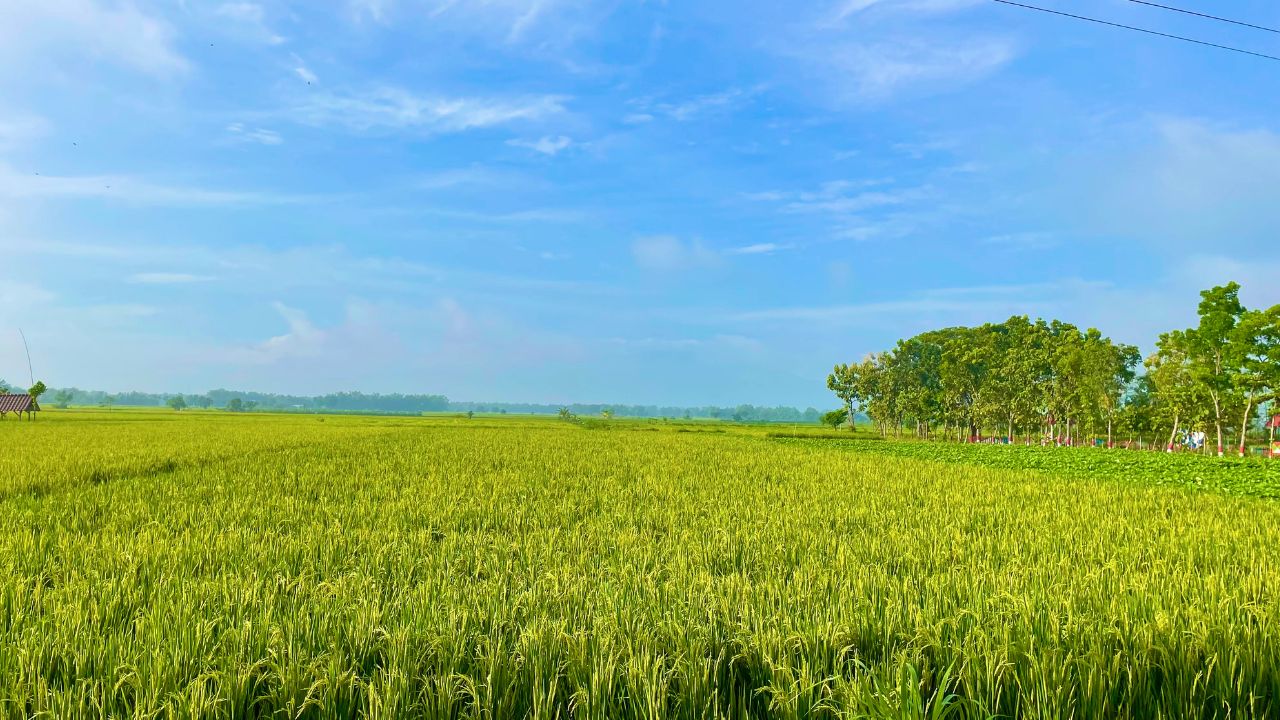
    Photo courtesy: REUTERS/Erik De Castro/File Photo.

    Read more
    New suite of initiatives aimed at growing the Prince Edward Island livestock sector
    Water & FoodFebruary 4, 2025

    New suite of initiatives aimed at growing the Prince Edward Island livestock sector

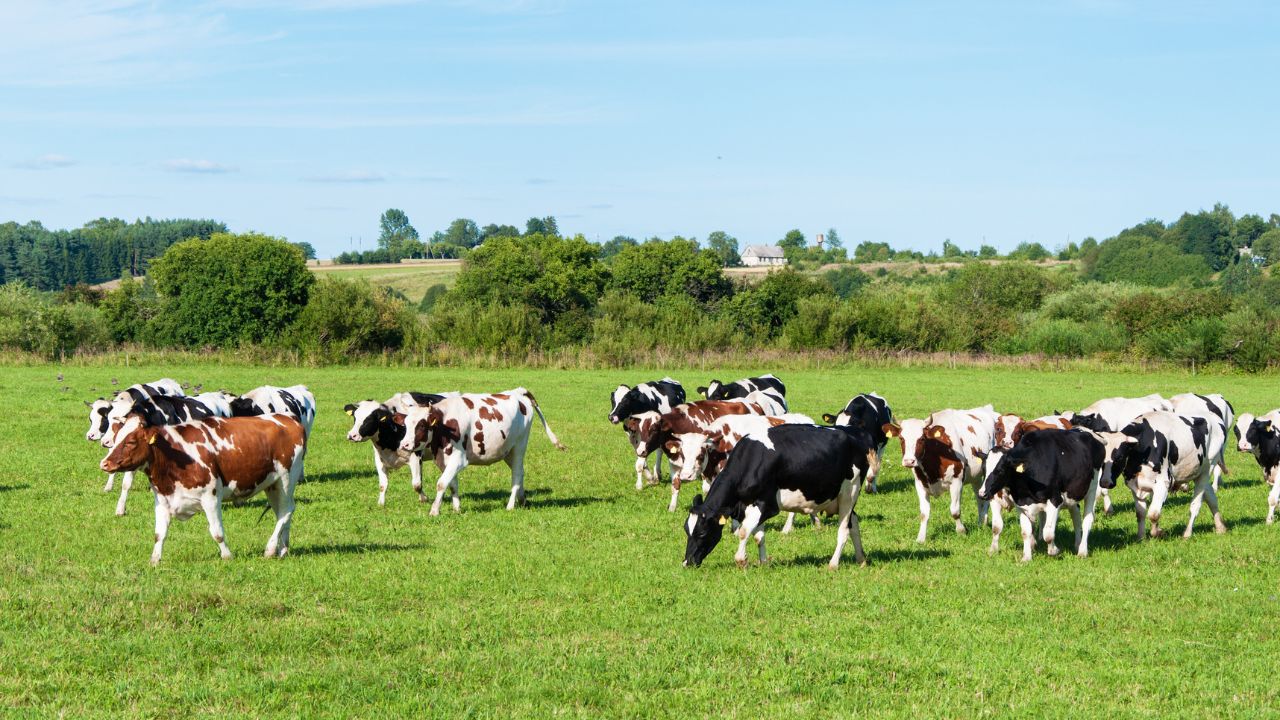
    Excerpt and photo from princeedwardisland.ca In collaboration with the Government of Canada, the Province of Prince Edward Island (PEI) is launching new funding opportunities to further support its cattle and livestock sectors. Through the Sustainable Canadian Agricultural Partnership (Sustainable CAP), the governments of Canada and PEI will be introducing the Grow the Herd Pilot Program, as well as a new PEI Livestock Champion. The pilot program will include two funding streams focusing on supporting the unique growth requirements of each Island farm. The PEI Livestock Champion position, created in collaboration with the PEI Cattle Producers and Atlantic Beef Products, will complement these programs, as well as other existing programs and services offered, by providing leadership, expertise and direction to Island livestock producers. The programs announced in this suite of initiatives support PEI’s Livestock Strategy and will continue to improve the quality of PEI’s products available to local markets as well as help drive new markets.

    Read more
    As drought sets in, farmers in Saint Kitts and Nevis turn to technology for help
    Water & FoodJanuary 15, 2025

    As drought sets in, farmers in Saint Kitts and Nevis turn to technology for help

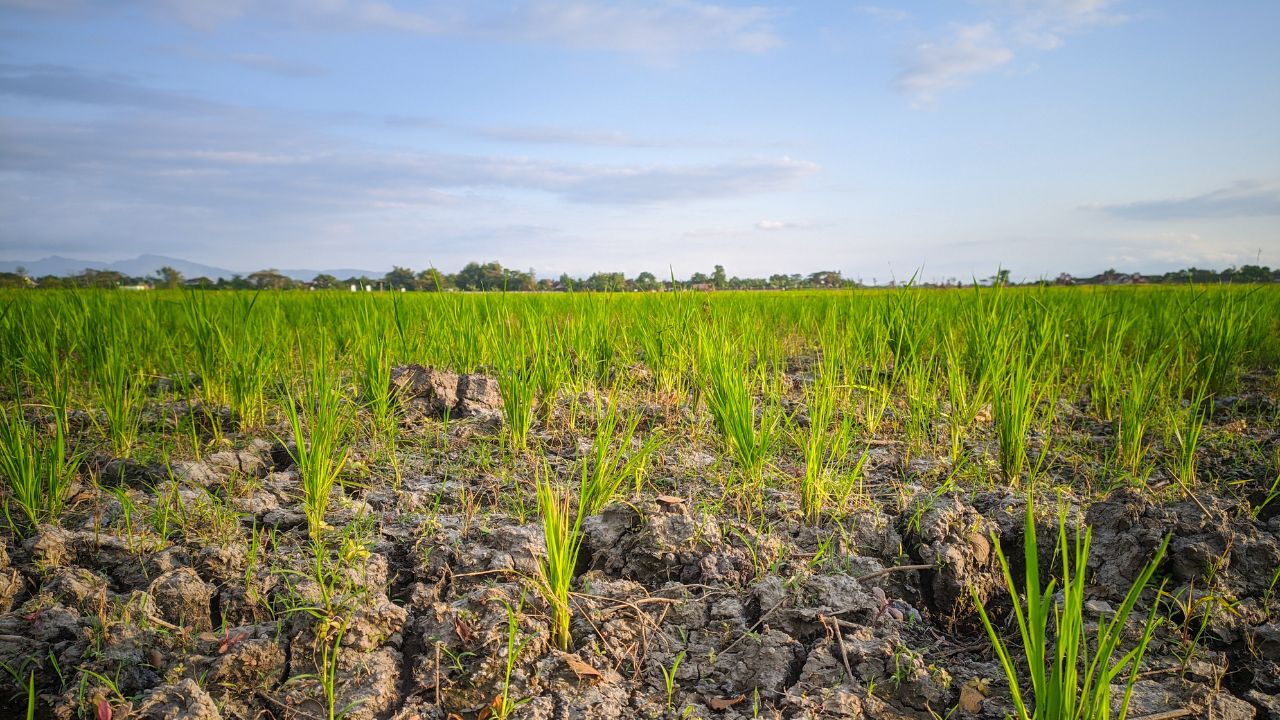
    Photo courtesy of UNEP / Duncan Moore. Retrieved from unep.org For Meshach Alford, a farmer from the town of Saint Paul’s in the Caribbean island of Saint Kitts, the realities of climate change are all too real. “I have planted crops and there has been no water for weeks, for months,” he says. “Even when you put your hand 18 inches (45 centimetres) deep in the soil, it’s still dry.” Saint Kitts and Nevis—a twin-island nation—is increasingly vulnerable to the effects of climate change, including drought. Rainfall is the [sole source](https://www.water.gov.kn/statement-on-water-supply-on-st-kitts/#:~:text=National%20Water%20Crisis.-,St.,potable%20water%20comes%20from%20rainfall.) of potable water in the country and dwindling precipitation has meant that 80 per cent of Saint Kitts residents suffer from regular water outages. “What was considered as a wet season is no longer a wet season,” says Cheryl Jeffers, a chief technical officer within the Saint Kitts and Nevis Climate Action Unit. “So, it creates some sense of confusion, especially towards the agriculture sector, in determining what to plant and when to plant.” To help farmers contend with drought, the United Nations [Climate Technology Centre and Network (CTCN)](https://www.ctc-n.org/) – with tech company HR Wallingford and the Saint Kitts and Nevis Department of Environment – developed a system that can forecast droughts and predict groundwater availability. The system analyses data collected from satellites and remote monitoring stations around the country, producing a drought risk map. The island’s meteorological agency, Saint Kitts and Nevis’ Met Office, relays the forecast to farmers groups over WhatsApp. So-called extension officers then visit farmers and advise them on when to plant.

    Read more