VIS 2026VIS 2026 — Virtual Island Summit|Also: GSIS 2027GSIS 2027
Island Innovation Logo
About
Services
The Network
Events
Content Library
Contact Us

Subscribe to our newsletter. By submitting, you agree to our Privacy Policy.

Island Innovation

Island Innovation works with governments, institutions, and partners worldwide to support island-led sustainable economic development.

We Support The UN Development Goals

SDG 9: Industry, Innovation and Infrastructure
SDG 11: Sustainable Cities and Communities
SDG 12: Responsible Consumption and Production
SDG 13: Climate Action
SDG 14: Life Below Water
SDG 17: Partnerships for the Goals

Explore

AboutServicesNetworkEvents

Content

ArticlesNewsCareers

Ready to Connect?

Join the island innovation community

Get in Touch

About

  • About us
  • Case Studies
  • FAQs
  • Press
  • Careers
  • Contact

Services

  • Services Overview
  • Public & Media Relations
  • Strategic Communications

Network

  • The Island Network
  • Academic Council
  • Newsletter

Events

  • Our Events
  • Watch Past Events

Content

  • All Content Library
  • Videos
  • Articles
  • News
Privacy PolicyTerms of ServiceContactManage email preferences

© 2025 Island Innovation. All rights reserved.

    News

    Curated stories and analysis from islands and sustainability leaders worldwide.

    Filter by Core Theme

    All ThemesCircular EconomyClimate ActionConnectivity & DigitizationCulture & CommunityEnergy & TransportGreen Finance & EconomyOcean & BiodiversityPolicy & GovernanceTourism & Remote WorkWater & Food
    Showing 9 of 93 news items in Water & Food
    Bee Population Decline in Jeju Raises Environmental and Agricultural Concerns
    Water & FoodFebruary 19, 2025

    Bee Population Decline in Jeju Raises Environmental and Agricultural Concerns

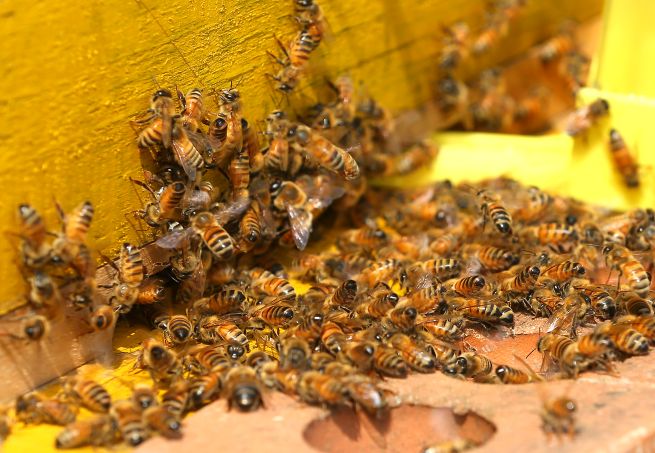
    Image courtesy of Yonha. Retrieved from koreabizwire.com The honeybee population in Jeju has been steadily declining, raising concerns among local farmers and environmental experts. According to data released by the Jeju provincial government on February 13, the number of beehives on the island has consistently decreased over the past five years, falling from 80,803 in 2020 to 56,678 in 2024. The annual decline rate has accelerated, from a 2.5% drop in 2021 to a sharp 29.9% decrease in 2024. Officials attribute the decline to climate change, which has disrupted the blooming patterns of nectar-producing trees, leading to reduced honey production. Additionally, the rising cost of queen bees has increased production expenses, particularly for small-scale beekeepers. Meanwhile, the latest livestock statistics indicate shifting trends in Jeju’s agricultural sector. The number of Korean native cattle (Hanwoo) and beef cattle declined, with Hanwoo dropping 1.3% to 38,456 head in 2024 from 38,978 the previous year. Beef cattle numbers saw a more significant decrease of 25.6%, falling from 1,076 to 801. In contrast, dairy farming experienced growth, with the number of dairy cows increasing by 4.5% to 4,419, up from 3,972 in 2024. Poultry farming also expanded, with the chicken population rising 2.4% to 1.86 million.

    Read more
    12345678910
    Philippines declares ‘food security emergency’ to tame retail rice prices
    Water & FoodFebruary 12, 2025

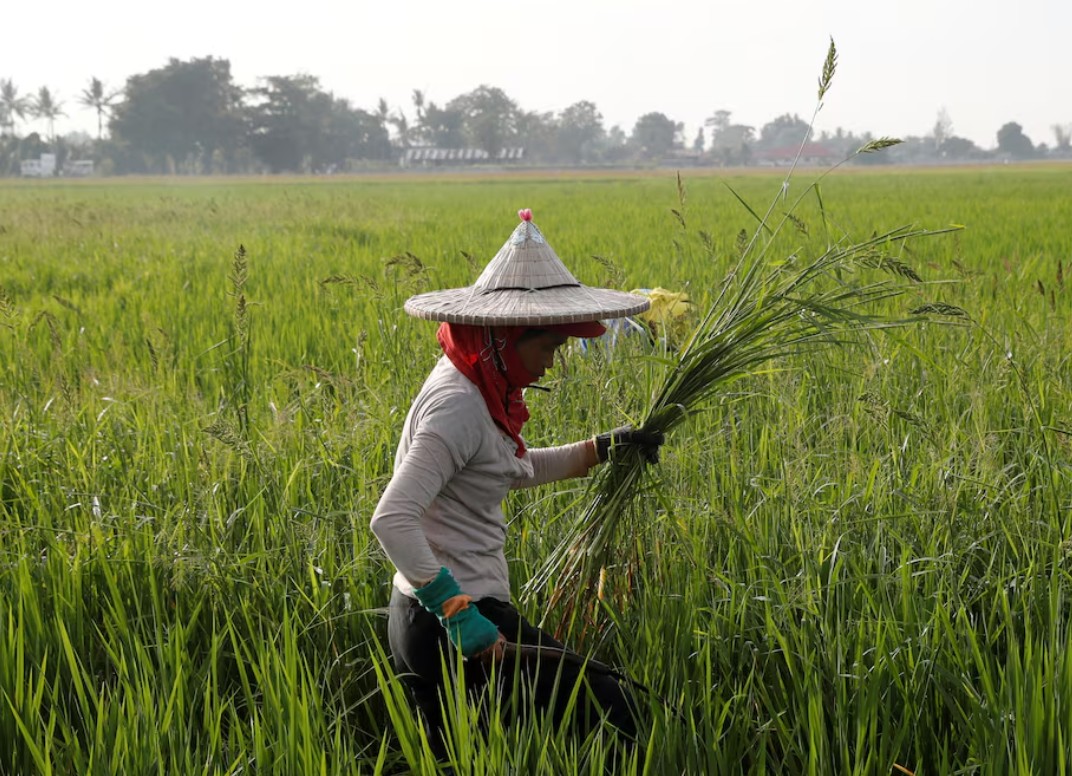
    Philippines declares ‘food security emergency’ to tame retail rice prices

    Photo courtesy: REUTERS/Erik De Castro/File Photo.

    Read more
    New suite of initiatives aimed at growing the Prince Edward Island livestock sector
    Water & FoodFebruary 4, 2025

    New suite of initiatives aimed at growing the Prince Edward Island livestock sector

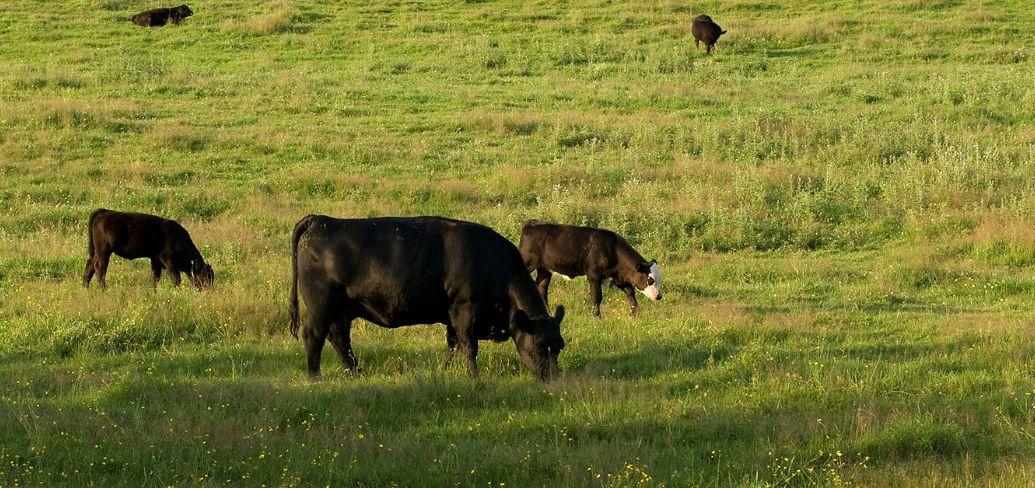
    Excerpt and photo from princeedwardisland.ca In collaboration with the Government of Canada, the Province of Prince Edward Island (PEI) is launching new funding opportunities to further support its cattle and livestock sectors. Through the Sustainable Canadian Agricultural Partnership (Sustainable CAP), the governments of Canada and PEI will be introducing the Grow the Herd Pilot Program, as well as a new PEI Livestock Champion. The pilot program will include two funding streams focusing on supporting the unique growth requirements of each Island farm. The PEI Livestock Champion position, created in collaboration with the PEI Cattle Producers and Atlantic Beef Products, will complement these programs, as well as other existing programs and services offered, by providing leadership, expertise and direction to Island livestock producers. The programs announced in this suite of initiatives support PEI’s Livestock Strategy and will continue to improve the quality of PEI’s products available to local markets as well as help drive new markets.

    Read more
    As drought sets in, farmers in Saint Kitts and Nevis turn to technology for help
    Water & FoodJanuary 15, 2025

    As drought sets in, farmers in Saint Kitts and Nevis turn to technology for help

    Photo courtesy of UNEP / Duncan Moore. Retrieved from unep.org For Meshach Alford, a farmer from the town of Saint Paul’s in the Caribbean island of Saint Kitts, the realities of climate change are all too real. “I have planted crops and there has been no water for weeks, for months,” he says. “Even when you put your hand 18 inches (45 centimetres) deep in the soil, it’s still dry.” Saint Kitts and Nevis—a twin-island nation—is increasingly vulnerable to the effects of climate change, including drought. Rainfall is the [sole source](https://www.water.gov.kn/statement-on-water-supply-on-st-kitts/#:~:text=National%20Water%20Crisis.-,St.,potable%20water%20comes%20from%20rainfall.) of potable water in the country and dwindling precipitation has meant that 80 per cent of Saint Kitts residents suffer from regular water outages. “What was considered as a wet season is no longer a wet season,” says Cheryl Jeffers, a chief technical officer within the Saint Kitts and Nevis Climate Action Unit. “So, it creates some sense of confusion, especially towards the agriculture sector, in determining what to plant and when to plant.” To help farmers contend with drought, the United Nations [Climate Technology Centre and Network (CTCN)](https://www.ctc-n.org/) – with tech company HR Wallingford and the Saint Kitts and Nevis Department of Environment – developed a system that can forecast droughts and predict groundwater availability. The system analyses data collected from satellites and remote monitoring stations around the country, producing a drought risk map. The island’s meteorological agency, Saint Kitts and Nevis’ Met Office, relays the forecast to farmers groups over WhatsApp. So-called extension officers then visit farmers and advise them on when to plant.

    Read more
    Mayotte: co-development with Madagascar and the Comoros to feed the survivors of Chido
    Water & FoodJanuary 8, 2025

    Mayotte: co-development with Madagascar and the Comoros to feed the survivors of Chido

    Excerpt and Photo from temoignages.re Cyclone Chido’s devastating passage over Mayotte has left deep scars, particularly on the agricultural sector. Harvests were wiped out, and it will take months, if not years, to restore production levels. This situation highlights the fragility of an island that relies heavily on imports to feed its population. Yet regional solutions, such as closer cooperation with Madagascar and Union of Comoros, could make it possible to provide Mayotte with the food it needs quickly and cheaply. In Mayotte, plantations of staple crops such as bananas and manioc have been destroyed. These crops, which are essential to the local diet, cannot be replanted quickly because of farmers’ cash shortages. Unlike the French departments in France, farmers in Mayotte do not benefit from crop insurance, as French companies refuse to insure crops in Mayotte, just as they do on La Reunion Island. The funds mobilised by France to deal with this kind of disaster arrive only too slowly. La Reunion’s farmers can testify to this. Dependence on imports is a problem. The long distances between Mayotte and its suppliers in Europe or East Asia mean high costs and long lead times. All this will only further exasperate a population that has seen the myth of ‘Mayotte as France’s 101st department’ crumble. However, a regional alternative is possible with Madagascar, which was spared by the cyclone, and the Union of the Comoros.

    Read more
    Cape Verde’s agricultural transformation: From drought to innovation
    Water & FoodDecember 2, 2024

    Cape Verde’s agricultural transformation: From drought to innovation

    Just four years after being hit by a severe drought, Cape Verde is undergoing a remarkable agricultural transformation. Once struggling to sustain crops, the archipelago is now embracing innovation, with lush greenery emerging as a symbol of progress. A key driver behind this shift is the implementation of modern infrastructure, including seawater desalination plants. **Empowering Farmers** Agronomist Edy Simão highlights the impact of these developments: “These measures to boost production and improve water access will truly help farmers achieve better livelihoods. Many already sustain themselves through farming but often need additional income from construction or other jobs. With this support, they can fully rely on their agricultural production.” **A Revolution in Agriculture**

    Read more
    Comoros faces water shortages – here’s how the small island state is adapting
    Water & FoodNovember 26, 2024

    Comoros faces water shortages – here’s how the small island state is adapting

    Photo courtesy: Riccardo Mayer/Shutterstock. Retrieved from preventionweb.net Comoros is truly a unique context. Comprising several small islands separated by vast distances, the country’s largest island, Grande Comore, is less than 1,200 square kilometers. With its limited land area, the country is reliant on small watersheds and aquifers that have very little capacity to store water. This makes these fragile systems highly sensitive to any shifts in rainfall patterns, leaving the nation vulnerable to droughts, flash floods, erosion, and soil salinization. Reduced rainfall directly affects river flow and groundwater recharge, particularly during the dry season. On Grande Comore, there are no permanent rivers. On the islands of Anjouan (Ndzuani) and Mwali, rivers that were once permanent are increasingly turning ephemeral, with some disappearing entirely. Presently, water security is a critical concern across all islands and the outlook is worsening with climate change. Projections point to greater rainfall variability, prolonged droughts, and an increase in both the frequency and intensity of storm flooding. Torrential rains not only erode watersheds, further depleting surface and groundwater resources, but also damage vital water supply infrastructure, exacerbating the crisis. Recognizing the urgency, the Government of Comoros has made water access a top priority, as reflected in the country’s Nationally Determined Contribution and Comoros’ Emerging Plan (PCE 2030), with the bold ambition of providing 100 percent of the population with reliable, climate-resilient water supplies by 2030, with no one left behind. To make this happen, the government is mobilizing efforts from international partners, local government and communities alike.

    Read more
    Costa Rica’s Cocos Island Leads the Fight Against Illegal Fishing
    Water & FoodNovember 20, 2024

    Costa Rica’s Cocos Island Leads the Fight Against Illegal Fishing

    The Pew Charitable Trusts recently published an article highlighting the international reach of Costa Rica’s Cocos Marine Conservation Area Monitoring, Control, and Surveillance Center (MCCA). This center, which protects the UNESCO [World Heritage Site](https://whc.unesco.org/en/list/820/), is at the forefront of combating illegal fishing in one of the world’s most vital marine protected areas. Using advanced satellite tracking technology, such as Global Fishing Watch, authorities can monitor illegal fishing vessel activities in real-time around Cocos Island, an ecosystem critical to the biodiversity of the Pacific Ocean. This advanced monitoring is especially valuable in the eastern tropical Pacific, a region that hosts whales, tuna, sharks, rays, sea turtles, and hundreds of other marine species that either live or migrate through these waters. “The science is clear: Marine protected areas (MPAs) are essential to helping our ocean recover from human-inflicted damage and thrive far into the future. But for MPAs to work, marine managers need data that helps them monitor these areas to understand what is happening across vast, remote ocean spaces,” the article emphasized.

    Read more
    The Food and Agriculture Organization of the United Nations launches an app to support Indigenous pineapple farmers in Suriname
    Water & FoodNovember 20, 2024

    The Food and Agriculture Organization of the United Nations launches an app to support Indigenous pineapple farmers in Suriname

    Dimitra, a global leader in agricultural technology and sustainability solutions, is supporting the Food and Agriculture Organization of the United Nations (FAO) to develop a smartphone application for Indigenous farmers in Suriname. FAO is working in the country to enhance organic pineapple production by leveraging blockchain technology to modernize cultivation practices, boost productivity, and secure market access. Leveraging Dimitra’s traceable and immutable technology, through this app local growers will access advanced techniques including mechanical land preparation and artificial flower induction to produce premium organic pineapples and meet market demands. Dimitra is deploying immutable blockchain and AI technology to support FAO providing Surinamese farmers with real-time comprehensive farming data on their crop production and supply chains from end-to-end. From creating digital farmer profiles and registration with their demographic and plot details, to tracking crop activities and managing harvests with traceability services, the platform aims to ensure that every step of the pineapple production process?from planting to harvesting?is traceable. By providing a secure record of sustainable practices through actionable data, Surinamese farmers can gain access to advanced technology to transform agricultural practices, enhance market competitiveness, and forge key alliances, opening doors to premium markets that require stringent compliance with international standards. FAO has been working in the country since 2018 with UNIDO, ILO and UNFPA through the ASTA Suriname initiative has been driving the pineapple sector’s growth in Suriname, a focal commodity for the country’s economic growth. Backed by the Joint United Nations Sustainable Development Group (UNSDG) Fund, the ASTA Suriname project has conducted in-depth analysis of farms and rolled out initial implementation activities. The project aims to empower indigenous and rural communities across Suriname’s pineapple belt to modernize organic pineapple production, transforming Suriname into a major producer and exporter of high-quality organic fresh and processed pineapples, and moving away from outdated practices with little value-addition and limited exports.

    Read more