VIS 2026VIS 2026 — Virtual Island Summit|Also: GSIS 2027GSIS 2027
Island Innovation Logo
About
Services
The Network
Events
Content Library
Contact Us

Subscribe to our newsletter. By submitting, you agree to our Privacy Policy.

Island Innovation

Island Innovation works with governments, institutions, and partners worldwide to support island-led sustainable economic development.

We Support The UN Development Goals

SDG 9: Industry, Innovation and Infrastructure
SDG 11: Sustainable Cities and Communities
SDG 12: Responsible Consumption and Production
SDG 13: Climate Action
SDG 14: Life Below Water
SDG 17: Partnerships for the Goals

Explore

AboutServicesNetworkEvents

Content

ArticlesNewsCareers

Ready to Connect?

Join the island innovation community

Get in Touch

About

  • About us
  • Case Studies
  • FAQs
  • Press
  • Careers
  • Contact

Services

  • Services Overview
  • Public & Media Relations
  • Strategic Communications

Network

  • The Island Network
  • Academic Council
  • Newsletter

Events

  • Our Events
  • Watch Past Events

Content

  • All Content Library
  • Videos
  • Articles
  • News
Privacy PolicyTerms of ServiceContactManage email preferences

© 2025 Island Innovation. All rights reserved.

    News

    Curated stories and analysis from islands and sustainability leaders worldwide.

    Filter by Core Theme

    All ThemesCircular EconomyClimate ActionConnectivity & DigitizationCulture & CommunityEnergy & TransportGreen Finance & EconomyOcean & BiodiversityPolicy & GovernanceTourism & Remote WorkWater & Food
    Showing 9 of 2116 news items
    Old Fire Hoses Become Lifelines for Penang Island's Endangered Langurs
    Ocean & BiodiversityJuly 9, 2026

    Old Fire Hoses Become Lifelines for Penang Island's Endangered Langurs

    On Malaysia's Penang Island, conservationist Yap Jo Leen is turning old fire hoses into lifesaving bridges that help endangered monkeys cross busy roads in residential areas. The idea took root after she witnessed a female dusky langur and her infant get struck by a vehicle in 2016, Yap told Mongabay's Phil Jacobson and AFP's Isabelle Leong in a joint interview. Dusky langurs (Trachypithecus obscurus) are small primates with dark gray to blackish fur, distinct large white patches around their eyes, and white fur around their mouth. The species is considered endangered on the IUCN Red List, according to the latest assessment, done in 2015. Yap said that in 2016, as a postgraduate student, she started following a family of dusky langurs that included an individual she called Ah Lai. Over the next year, she recorded several instances of the langurs trying to cross a busy road. People living in the residential areas also reported that dusky langurs and macaques frequently made road crossings. Since 2019, Yap's organization, the Langur Project Penang (LPP), has installed three artificial canopy bridges to help the langurs cross roads safely. The bridges are all made from repurposed fire hoses donated by local fire departments. The initiative has seen remarkable success, said Yap. The first bridge they installed, known as "Ah Lai's Crossing," has been credited with zero langur roadkill deaths on that stretch of road. Beyond langurs, the bridge is also used by nine other wildlife species, including macaques, squirrels, and slow lorises. Yap said LPP operates on three core pillars: scientific conservation, environmental education, and citizen science. She said understanding the dusky langurs is a key part of her work and a bridge to understanding ourselves. "I always believe that the primates, humans and monkeys, we all share a similarity, which is connection," she said. To gather data on the primates, LPP relies on a long-term team of volunteers known as "Duskies," aged 17 to 65. These trained citizen scientists track langur movements, help identify the plants they see the primates eating, and engage with local residents to mitigate human-wildlife conflict. Yap said residents also help by remotely sharing data on monkey sightings in towns, cities, and recreational forests. For Yap, conservation should be accessible to everyone. "Primate observation is more than just scientists' work - it can be everyone's hobby, like bird-watching," she said. Ultimately, Yap said, the project's success isn't measured solely by the number of bridges built, but by fostering a culture of community stewardship. By reframing "conservation as conversation," LPP aims to inspire Malaysians to coexist respectfully with the urban wildlife in their own backyards.

    12345678910
    Read more
    Shetland Backs Plan to Connect Islands with £1.5bn Undersea Tunnels
    Energy & TransportJuly 9, 2026

    Shetland Backs Plan to Connect Islands with £1.5bn Undersea Tunnels

    Councillors have backed initial plans to connect some of Shetland's islands with undersea tunnels, which could be in place within eight years. A feasibility study proposed replacing ageing ferries with tunnels from Shetland's mainland to Yell and from Yell to Unst, describing them as "economically transformative". Two more tunnels, to the islands of Whalsay and Bressay, could follow under the plans - which it is estimated could cost £1.5bn. Council leaders say the tunnels would be cheaper than building new ferries and replacing harbours. At a meeting in Lerwick on Tuesday, councillors approved exploring funding options. Council chief executive Maggie Sandison said the project was not going to be easy, but she thought pursuing a funding solution was the "right thing to do". This could come from a mixture of private investment, public subsidy and borrowing, alongside tolls to cover maintenance costs. The council's transport chairperson, Moraig Lyall, said the report showed there were no technical barriers to building tunnels, which would be "cheaper in the long run" than ferries. Costs have risen sharply in the past decade, with some routes struggling to meet demand for vehicle places. Lyall said: "The system we have that has served us well for decades is now no longer able to do that. It doesn't have the capacity and we're struggling with other things, like the ability to crew the system adequately. These barriers to giving the islands a really good service are not going to be easily overcome by replacing ferries with other ferries. The tunnel is the answer that we believe will help us solve these problems."

    Read more
    Cape Verde Welcomed as Heroes After its Historic World Cup Campaign
    Culture & CommunityJuly 9, 2026

    Cape Verde Welcomed as Heroes After its Historic World Cup Campaign

    Cape Verde's sensational debut World Cup campaign ended on July 3 but not until they had taken world champions Argentina down to the wire and become the sentimental favourites of millions of fans around the world. A collection of 10 volcanic islands with a population of some 500,000 off the coast of West Africa, Cape Verde did not play a World Cup qualifier until the start of the century and were ranked 67th in the world coming into the tournament. The band of journeyman professionals and raw youngsters assembled by coach Bubista defied the odds from the start, though, holding former champions Spain and Uruguay, and Saudi Arabia as well, to draws to finish second in Group H behind Spain. Their reward was a last-32 tie against Lionel Messi's Argentina on July 3, when they twice came from a goal down in a pulsating and competitive contest before going out 3-2 to an own goal in the second period of extra time in Miami. Applauded off the Hard Rock Stadium pitch by the notoriously partisan fans of La Albiceleste and lauded by Argentina coach Lionel Scaloni as well as Messi, the Blue Sharks had achieved their ambition of making an indelible mark. "Today we fought Argentina on equal terms. We fought for the result. We didn't manage it, but that's football," said Vozinha, the 40-year-old goalkeeper who became a social media sensation with his exploits during the tournament. "We managed to qualify and to make a dream come true, not only for me, not only for the national team, but for all the Cape Verdean people."

    Read more
    'This Was Something New': What People in Greenland Said About Learning to Live with Wildfires
    Climate ActionJuly 9, 2026

    'This Was Something New': What People in Greenland Said About Learning to Live with Wildfires

    After several quieter years, wildfires have returned to western Greenland. Two recent fires have brought renewed attention to a landscape more typically associated with glaciers and melting ice sheets than flames. But when we visited the region in 2023 to investigate a series of unusual large wildfires that burned a few years earlier, local residents told us they would not be surprised if the fires came back. They remembered how dry the landscape had become before the fires, which made wildfire easier to start and harder to control. For people living around Sisimiut on Greenland's west coast, these latest events are therefore not entirely unexpected. Our research suggests wildfires may be part of a new Arctic reality. During our 2023 fieldwork we spoke to firefighters, local business owners and land-users, tourism managers and international visitors, all of whom had direct experience of the earlier fires. A common thread was that these fires were unlike anything they remembered. Older generations were particularly shocked. As one resident put it, "it was something new, even for us." Their recollections match our own analysis using satellite data and newspaper reports that found no landscape fires in western Greenland from 1995 to 2007, but more than 20 since.

    Read more
    This Japanese Island is Closer To Taipei Than Tokyo. A New Ferry Makes it Easier to Visit
    Tourism & Remote WorkJuly 2, 2026

    This Japanese Island is Closer To Taipei Than Tokyo. A New Ferry Makes it Easier to Visit

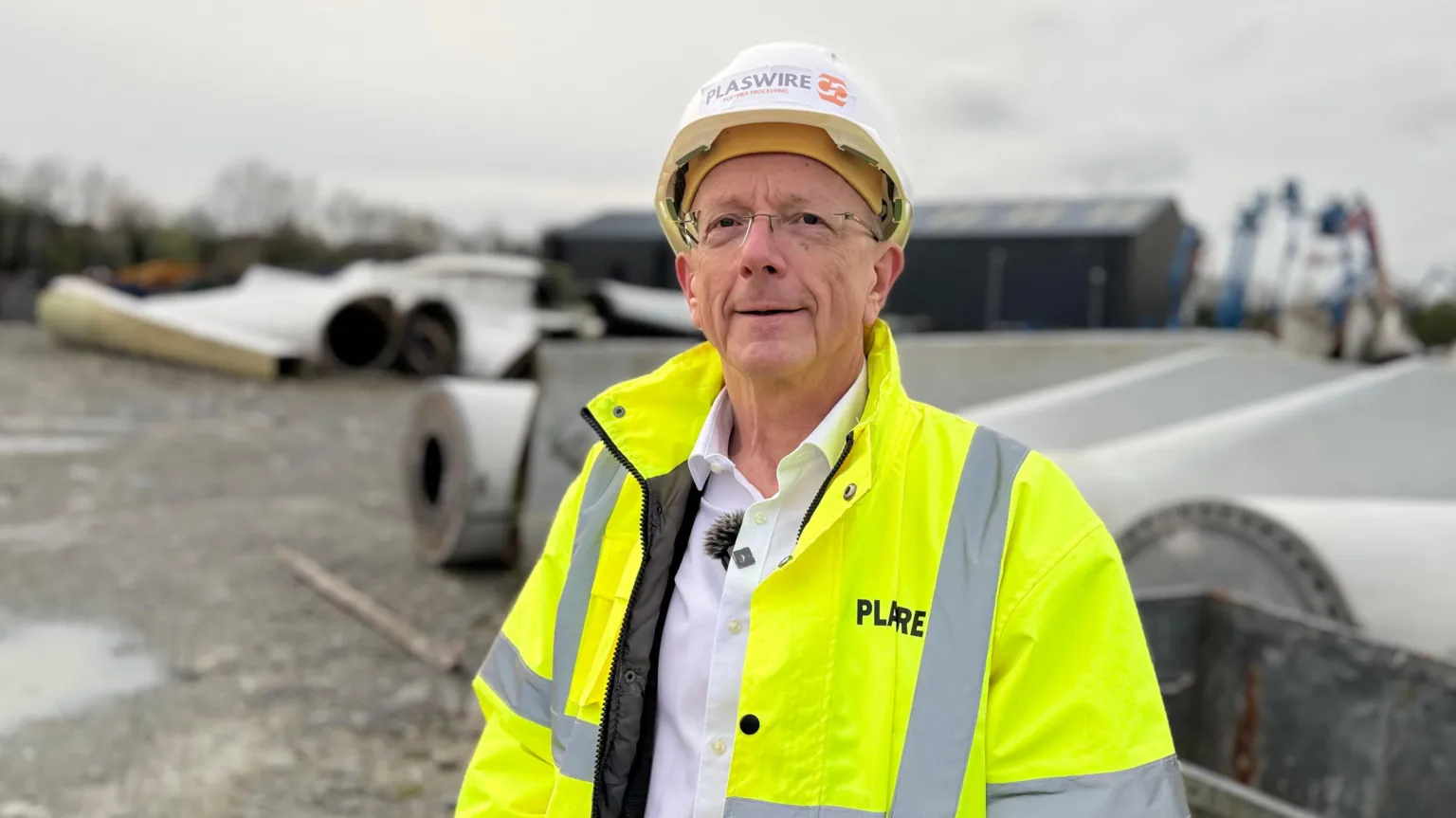
    You can now fall asleep on a ferry in Taiwan and wake up in Japan. On the surface, the Yaima Maru offers a perfect slow-travel escape — a passenger ferry equipped with saunas, karaoke rooms and a top-deck cafe. Launched in Taiwan last month to the sound of drums and a traditional lion dance, the 21,000-ton civilian vessel connects the northern Taiwan port of Keelung with the island of Ishigaki, in southwestern Japan's idyllic Okinawa prefecture. But as Beijing ramps up military pressure around Taiwan and Japan shores up its own southwestern defenses, the route has drawn scrutiny — not least because the vessel has been officially earmarked by Tokyo to assist in emergency evacuations if regional tensions erupt into open conflict. For tourists, however, the ferry offers a chance to explore a unique destination far from the Japan most are familiar with. That's because Ishigaki sits about 2,000 kilometers (1,240 miles) away from Tokyo, but only 270 kilometers (168 miles) from Taiwan. "Many people think Japan is quite far away," says Tiger Hong, general manager of the Wagon Group, which operates the ferry. "So the moment when they realize how close it actually is, they are really shocked." Currently, only one airline in Taiwan operates a direct flight to Ishigaki — which takes just an hour — while others require transferring at Okinawa's main air hub of Naha.

    Read more
    Reusable-Cup Subscription Service to Launch on Cayman
    Circular EconomyJuly 2, 2026

    Reusable-Cup Subscription Service to Launch on Cayman

    A new, deliberately not overly pretty, reusable cup is being launched in Cayman by a company that says it's combining a revenue-maker with an approach that may reduce the number of disposable containers ending up in the landfill. The ONECUP will be the first reusable cup subscription service for bars, restaurants, events and hotels in Cayman, says James Dartnall, founder of Island Cup Co, which produces the cups. A long-time volunteer in beach clean-ups and with the Department of Environment, Dartnall said he hopes the ONECUP will help cut down on the use of throwaway plastic cups. The kernel of the idea of developing the cups began during a one-and-a-half-year trip, from London, England, to Cape Town, South Africa, with his wife, where they decided to try to see if they could live without plastic during their journey. Later, at a concert in Washington, DC, he came across reusable cups. "I started researching the company [that made those cups] and other companies," he said, noting that they are becoming more commonly used at large events, like music festivals and concerts. He started to envision Cayman, with its daily influx of tourists and lively social scene, "as if every day is almost like a … very big event, and all of our hospitality vendors are operating within a small ecosystem, which they are. And then, is there a way of having a single drink cup that they all share, and they're all responsible for?" He says the ONECUP can replace not just single-use plastic glasses, but also reusable acrylic cups "because acrylic, they're end-of-chain. When acrylics get cracked or milky, they get thrown away, they can't be recycled." The plan for ONECUPs that come to the end of their use is to recycle them into plastic furniture. Once they get damaged or cracked and deemed unusable anymore, they would be shredded, melted and remolded into furniture, like benches, which, Dartnall hopes, the government will purchase and install as public fixtures.

    Read more
    Guernsey Launches Island-wide AI Programme to Upskill Local Community
    Connectivity & DigitizationJuly 2, 2026

    Guernsey Launches Island-wide AI Programme to Upskill Local Community

    Guernsey's G8 industry bodies have launched All-In, a coordinated island-wide artificial intelligence programme aimed at helping businesses, employees and community organisations build practical AI skills. Running from 1st October to 12th November, the programme will feature workshops, hackathons, panel discussions, live demonstrations, networking events and weekly challenges, before culminating in a showcase event celebrating outcomes from across the island. Designed to be accessible to all levels of experience, All-In will involve individuals and organisations from sectors including finance, hospitality, retail, construction, charities and the digital economy, with opportunities to take part, share expertise and support the programme. The initiative follows recommendations set out in the Oliver Wyman report, Driving Growth for Guernsey, alongside findings from the PwC Channel Islands CEO Survey, both of which highlighted opportunities for Guernsey to strengthen AI adoption and skills development. The G8 said the programme aims to upskill 1,000 islanders, engage more than 50 organisations, demonstrate practical AI tools and use cases, and help establish a longer-term AI community in Guernsey. PwC is supporting the initiative as a collaborator with the G8, with Roland Mills, Lead Office Partner – Guernsey, PwC Channel Islands, saying: "We're delighted to support the G8 AI Sprint in Guernsey, an initiative exemplifying a bold and forward-thinking response to technological change. At PwC, our commitment to innovation is built on a foundation of boldness, collaboration, and optimism. By harnessing our expertise and embracing cutting-edge technology, we empower clients and communities to move forward confidently. This event showcases the potential of uniting industry, government, and the community to turn ambitious visions into reality and we believe there is a clear and exciting path for Guernsey to align with its global peers and position itself as a leader in innovation and sustainable economic growth." Alice Gill, Executive Director of Guernsey Chamber of Commerce, speaking on behalf of the G8, said: "Guernsey has always punched above its weight when we work together – and that's exactly what All-In is about. Eight industry bodies, one shared ambition: to make sure no business, no employee and no community organisation in this island gets left behind by AI. "The tools are here and the opportunity is very real. And frankly, we can't afford to hesitate. All-In exists because the G8 believes Guernsey's greatest competitive advantage is its people and this autumn we're giving every one of them the chance to get hands-on with AI, for free, in their own community."

    Read more
    This Island in the Great Lakes Wants to Tap Waves for Energy
    Energy & TransportJuly 2, 2026

    This Island in the Great Lakes Wants to Tap Waves for Energy

    Hydrokinetic energy from the waves surrounding Beaver Island could improve electricity reliability and push an emerging technology forward. Beaver Island sits in the middle of the northernmost end of Lake Michigan, about 70 miles from the maritime border with Canada. The forested island, just a little bigger than San Francisco in size, is a popular summer destination for tourists and home to about 600 permanent residents. Getting there requires a boat or plane ride. Getting electricity to the island isn't as easy. Power comes from mainland Michigan through cables that cross roughly 30 miles of lake bed. Outages are common during extreme weather, or when there are problems with the sensitive wires. The devastating ice storm that walloped the state last year knocked out power to the island for weeks. That's got some residents hoping to see a more reliable source of power that's generated where they live. Turns out, there's an abundant source nearby: the waves that surround the island. Earlier this month, researchers from the University of Michigan gathered on the shoreline to deploy two devices that convert the kinetic energy of waves into electricity. The gadgets — prototypes that look like small boats framed with PVC pipes and are about the size of a yoga ball — demonstrated their potential by powering a light bulb and charging a cell phone. The project is one of many efforts across the country to use alternative sources of energy to improve reliability in remote places. In this case, the researchers spent two years gathering input from residents, who said providing a dependable source power to the airport was a priority. "We need to work with the community together to identify the need and design together with them," said Lei Zuo, an engineering professor at the University of Michigan and the lead researcher on the project. Several residents already power their homes and businesses with solar panels or geothermal energy, and the island has previously received federal funds to improve access to renewables. Similar programs and grid modernization plans face an uncertain future as the Trump administration cancels grants and programs, raising questions about how such projects will be funded in the years ahead.

    Read more
    WHO Certifies the Bahamas for Eliminating Mother-to-Child Transmission of HIV
    Culture & CommunityJuly 2, 2026

    WHO Certifies the Bahamas for Eliminating Mother-to-Child Transmission of HIV

    In a landmark achievement for Caribbean public health, the World Health Organization (WHO) congratulates The Bahamas for becoming the latest Caribbean nation to be certified as having eliminated the mother-to-child transmission of HIV. "I congratulate The Bahamas on this outstanding achievement, which solidifies years of political commitment, and the dedication of health workers," said Dr Tedros Adhanom Ghebreyesus, WHO Director-General. "By ensuring that children are born free of HIV, we are securing a healthier, brighter future for the next generation." "This achievement reflects sustained political commitment and strong national leadership, alongside the dedication and compassion of the health workforce," said Dr Jarbas Barbosa, Director of the Pan American Health Organization (PAHO) and WHO Regional Director for the Americas. "As we look ahead, this milestone is not only a moment of national pride but also an opportunity to build on this success, advancing efforts to end HIV and other communicable diseases as public health threats across the Caribbean and the Americas." Foundations of success The Bahamas achieved this milestone by pioneering a comprehensive and inclusive health-care model. Key to this success has been the provision of universal antenatal care to all pregnant women, regardless of nationality or legal status, across both public and private facilities. This approach is supported by a strong, integrated laboratory network and a rigorous testing protocol that screens women at their first antenatal appointment and again in the third trimester. Elimination of mother-to-child transmission (EMTCT) interventions in The Bahamas are fully integrated into antenatal care standards and norms and implemented under the Maternal and Child Health (MCH) programme. MCH coordinates with the National Infectious Disease Programme, which oversees the prevention and treatment of HIV and other sexually transmitted infections (STI). This includes the introduction of pre-exposure prophylaxis (PrEP) for HIV prevention, also offered to pregnant women. To ensure continuity of care, the health system maintains adequate monitoring for HIV-positive mothers and exposed infants, provides multi-month dispensing of antiretroviral medicines, and offers STI treatment and family planning services free of charge. "For years, The Bahamas have been working very hard to address the situation of HIV/AIDS," said Dr Michael Darville, Minister of Health and Wellness of The Bahamas. "A lot of people have been involved in us achieving this great milestone – our nurses in our public health system, our nurses and doctors in our tertiary health-care system and, by extension, all of the clinics spread throughout our archipelago." From Cuba, the first country in the world to be certified, and Brazil – certified last year, The Bahamas now joins a prestigious group of 12 countries and territories in the Region of the Americas at the forefront of the EMTCT movement. The Bahamas will continue efforts to sustain these standards through integrated primary care and continuous surveillance.

    Read more